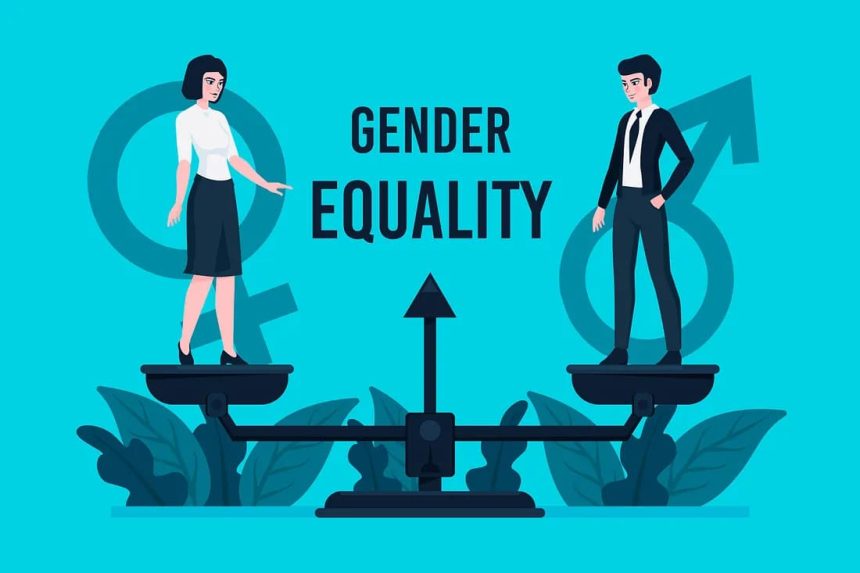
In the modern era, the topic of women and equality has gained unprecedented attention. From boardrooms to classrooms, from political offices to digital platforms, women are increasingly claiming spaces that were once exclusively male-dominated. However, while headlines celebrate milestones—such as women CEOs, female heads of state, and groundbreaking achievements in science and sports—the reality is more complex. Beneath these successes lie systemic barriers, cultural biases, and structural inequalities that prevent true parity. Women still face wage gaps, underrepresentation in leadership, societal expectations, and gender-based violence, among other challenges. Understanding women and equality today requires a holistic approach, one that examines historical progress, recognizes ongoing struggles, and addresses the factors that continue to perpetuate inequality. Only then can we distinguish between genuine progress and superficial indicators of equality.
Historical Perspective: How We Got Here
The struggle for women and equality is centuries in the making. Historically, women were denied basic rights: property ownership, education, political participation, and freedom of choice. Early feminist movements in the 19th and 20th centuries fought for suffrage, legal recognition, reproductive rights, and workplace access. These movements laid the foundation for the rights many women enjoy today, yet historical inequalities continue to influence modern society. Many barriers are subtle, systemic, and culturally ingrained, making them harder to identify and dismantle.
Reasons Women Still Face Inequality
1. Gender Pay Gap
Despite legal frameworks promoting equal pay, women globally earn less than men for similar roles. This gap is wider in leadership positions and certain industries like technology, finance, and politics.
Explanation:
- Women are often concentrated in lower-paying sectors.
- Negotiation bias exists; women asking for raises may be penalized socially.
- Career breaks, especially for maternity, disproportionately affect earnings.
2. Workplace Discrimination
Women face subtle and overt biases in hiring, promotions, and daily interactions. Microaggressions, unequal evaluation, and exclusion from decision-making roles remain common.
Explanation:
- Studies show women are judged more harshly than men for mistakes.
- Leadership qualities displayed by women may be labeled negatively (“too aggressive” or “bossy”).
3. Gender-Based Violence
Violence against women, both domestic and public, remains a global crisis. Sexual harassment, abuse, and assault create unsafe environments that limit freedom and opportunity.
Explanation:
- Fear of violence restricts women’s mobility, career choices, and independence.
- Societal stigma and victim-blaming discourage reporting and justice.
4. Societal and Cultural Expectations
Traditional norms often dictate women’s roles in family, marriage, and caregiving, limiting personal and professional growth.
Explanation:
- Women are expected to balance work and domestic responsibilities, often without support.
- Cultural pressures may undervalue women’s ambitions outside the home.
5. Lack of Representation in Leadership
Women are underrepresented in politics, business, and decision-making bodies. Without equal representation, policies and workplace cultures may not reflect women’s needs.
Explanation:
- Quotas and policies exist but are inconsistently enforced.
- Leadership pipelines often favor men due to networks, mentorship, and sponsorship disparities.
6. Intersectional Inequality
Women from marginalized communities face compounded discrimination based on race, class, caste, religion, or disability.
Explanation:
- Minority women often have limited access to education, healthcare, and professional opportunities.
- Intersectionality reveals that equality cannot be one-size-fits-all.
7. Media Representation and Objectification
Women are often judged based on appearance rather than achievements, creating unrealistic societal pressures and reinforcing stereotypes.
Explanation:
- Media portrayal impacts self-esteem and societal expectations.
- Objectification undermines credibility and authority in professional and public spheres.
Why Equality Feels Like an Illusion
Even with legal protections and global campaigns for gender equality, the lived experience for many women reveals a different story.
- Tokenism: Women may occupy visible roles, but real power often remains male-dominated.
- Unequal Opportunities: Education or credentials don’t always translate into leadership positions.
- Cultural Resistance: Deep-rooted gender norms slow societal acceptance of women’s empowerment.
- Global Disparities: Gains in developed nations are not always mirrored in developing countries, leaving millions of women behind.
Example:
A woman might be promoted to a managerial role in a multinational corporation, but if her decisions are consistently overruled by male colleagues or her input is undervalued, equality is still superficial.
Steps Toward Genuine Equality
1. Policy and Legal Enforcement:
Governments must enforce anti-discrimination laws, equal pay regulations, and protections against harassment.
2. Education and Skill Development:
Encourage girls and women to pursue careers in all fields, from STEM to leadership positions, while providing mentorship opportunities.
3. Cultural Change:
Society needs to challenge traditional gender roles and normalize women in leadership, caregiving, and decision-making roles equally.
4. Workplace Transformation:
Companies must create inclusive policies, transparent promotion paths, parental leave for all genders, and mentorship programs.
5. Intersectional Approach:
Efforts must include marginalized women to address compounded inequalities and ensure that progress benefits all.
6. Media Responsibility:
Promote authentic representation of women’s achievements rather than objectification or tokenism.
Real-Life Examples
- Corporate Leadership: Women like Mary Barra (CEO, General Motors) show progress, but women in leadership remain less than 30% globally.
- Politics: Countries like New Zealand and Finland have higher female political participation, yet global representation averages around 26%.
- Education: Girls’ education has increased worldwide, but in some regions, millions still lack access due to poverty, conflict, or cultural barriers.
Conclusion
Women and equality are achievements and ongoing struggles simultaneously. While significant progress has been made, structural, cultural, and systemic barriers persist, making true equality a work in progress rather than a finished goal. Recognizing the complexity, advocating for intersectional policies, and promoting societal change are essential for moving beyond superficial progress. Genuine equality is not just about legal rights or visible milestones—it is about empowering every woman to live freely, safely, and without limitation, regardless of background or circumstance.