


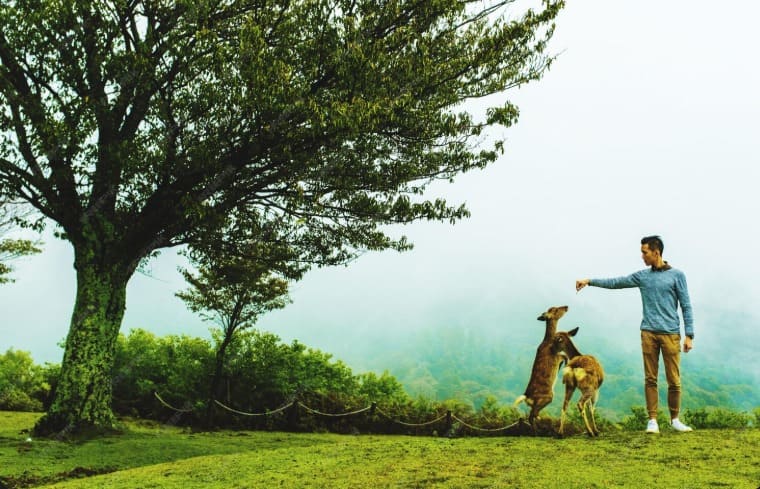
Imagine walking through a forest and realizing that some of the trees around you actually remember your presence. Recent research and studies in plant behavior reveal that certain trees can recognize and respond to humans they’ve encountered before. Unlike dogs, whose memories may fade over time, these trees seem to retain long-term awareness of the people they meet. From changing their chemical responses to subtle growth patterns, trees display a level of intelligence and memory that’s truly astonishing—and may even make you reconsider the meaning of connection in nature.
1. Trees Can Sense Human Presence
Description:
Certain trees react to humans approaching them, adjusting their growth, chemicals, or even releasing subtle signals. This sensitivity is not random—it suggests that trees can differentiate between familiar and unfamiliar humans, much like animals can recognize faces.
Example:
In experiments with tactile stimulation, some trees respond differently to people who have previously touched them, indicating a form of memory encoded in their systems.
2. Trees Communicate with Each Other
Description:
Trees use underground networks of roots and fungi, called mycorrhizal networks, to share information. This “wood-wide web” allows them to send chemical signals about dangers, nutrition, or even human interaction. Trees that remember humans may pass on warnings or information to nearby trees, suggesting a complex community memory.
Example:
A tree that has been pruned or hugged by someone might alert neighboring trees to the presence of a human, demonstrating subtle social intelligence.
3. Trees React Differently to Touch
Description:
Touch experiments have shown that trees can alter their chemical production, growth, or movement in response to being touched repeatedly. Trees seem to remember which hands or individuals have interacted with them, responding more favorably or defensively based on prior encounters.
Example:
In botanical studies, saplings that were gently handled by humans showed different growth patterns compared to those touched by strangers, suggesting memory encoded at a cellular level.
4. Trees Respond to Emotional Energy
Description:
Some studies indicate that trees can sense emotional energy or vibrations from humans. Positive interactions—like speaking kindly or gentle touching—can encourage growth or chemical signaling, while stress or aggression can trigger defensive reactions. This reinforces the idea that trees can “remember” not just the person, but the nature of the interaction.
Example:
Gardeners who regularly care for trees with attention and respect often see healthier, more vibrant plants compared to those who neglect or harm them.
5. Trees Can Recognize Individual Humans
Description:
Evidence suggests that trees distinguish between different humans, responding uniquely to each. This implies a level of personal memory, which could be based on touch, chemical traces, or repeated patterns of interaction.
Example:
In some forest studies, trees that had been regularly tended by a particular gardener reacted differently than when approached by strangers, hinting at a remarkable memory mechanism.
6. The Science of Tree Memory
Description:
Botanists have discovered that trees have memory-like processes, storing information about environmental stress, touch, or human presence. Proteins and chemical changes in tree cells function similarly to memory in animals, helping trees adapt over time.
Example:
A tree that survived drought may “remember” the stress and adjust its growth in future dry conditions, demonstrating memory across years.
7. Trees Can Live Through Generations
Description:
Some trees live for centuries or even millennia, meaning their memory of environmental changes or human interaction can persist for generations. These trees act as living records of their surroundings, embodying history, experiences, and subtle memories.
Example:
Ancient oaks or sequoias have witnessed generations of humans, and their growth patterns often reflect repeated interactions with the environment, including human activity.
8. Trees Foster Emotional Connections
Description:
Humans often feel a deep connection to certain trees, sensing an emotional bond that is reinforced by the tree’s subtle responsiveness. These connections are reciprocal, as trees react to care, touch, and attention, forming a unique relationship between person and plant.
Example:
People visiting a favorite old tree often describe it as “recognizing” them, and anecdotal evidence suggests that consistent care enhances the tree’s vitality.
9. Trees Teach Us Patience and Respect
Description:
Interacting with trees reminds humans that life is slow, deliberate, and interconnected. Remembering how to approach, touch, or care for a tree requires mindfulness, demonstrating that trees reward respect and patience, which strengthens human-nature relationships.
Example:
A child learning to care for a sapling over years discovers not only growth in the tree but also personal growth in patience and observation.
10. Trees Are a Mirror to Our Actions
Description:
Because trees respond to human behavior, they act as mirrors, reflecting our care or neglect. Their “memory” encourages humans to observe consequences, nurture life, and cultivate long-term relationships.
Example:
Urban trees thrive when residents water and protect them, but they may deteriorate in neglected areas, showing that trees remember human behavior in a tangible way.
11. Trees Respond to Repeated Visits
Description:
Trees seem to recognize patterns of human presence. Regular visitors—people who walk past, touch, or water them frequently—trigger different reactions compared to strangers. This shows that trees can track human behavior over time, forming a subtle memory of repeated interactions.
Example:
A tree in a park may bend branches slightly toward a familiar visitor, or saplings may grow differently near areas where humans frequently interact with them.
12. Trees Can Sense Human Chemical Signatures
Description:
Human touch leaves behind microscopic chemical traces like sweat, oils, or pheromones. Trees detect these chemicals, allowing them to distinguish individuals based on prior contact, creating a form of biochemical memory.
Example:
Saplings exposed to the same gardener’s touch repeatedly often show enhanced growth or resilience compared to interactions with strangers.
13. Trees Remember Environmental Interactions
Description:
Trees store information about sunlight exposure, wind, rainfall, and human contact. By remembering these events, they can adjust growth patterns to optimize survival, indirectly “remembering” humans who affect their environment.
Example:
A tree that has been pruned or sheltered by a caretaker grows differently along the pruned branches, reflecting memory of human intervention.
14. Trees React to Gentle Handling
Description:
Repeated gentle touch promotes tree growth and health, whereas rough handling triggers defensive responses. Trees remember the nature of previous interactions, showing they distinguish care from harm.
Example:
Hugging or lightly brushing leaves repeatedly may stimulate healthier foliage compared to aggressive handling.
15. Trees Can React Emotionally
Description:
Trees sense vibrations, sound, and even emotional energy. Positive interactions like speaking calmly or playing music can stimulate growth, while stress or loud disturbances may slow it. Trees remember emotional context, not just physical presence.
Example:
A gardener who speaks kindly to a tree may notice faster bud growth compared to trees in noisy, chaotic environments.
16. Trees Communicate Past Human Interactions
Description:
Through root networks and chemical signaling, trees can inform neighboring trees about human interactions. This is akin to memory being shared socially, allowing forests to “remember” humans collectively.
Example:
If one tree is touched or harmed, nearby trees may release chemical signals indicating human presence, influencing how they react.
17. Trees Remember Caretakers Over Years
Description:
Long-lived trees can retain memory of individuals who have cared for them, even across decades. This demonstrates remarkable longevity of memory in nature.
Example:
Ancient trees in botanical gardens often thrive when handled by regular caretakers, indicating subtle recognition of familiar humans.
18. Trees Detect Friendly vs. Harmful Humans
Description:
Trees seem capable of differentiating between gentle and rough interactions. Repeated positive treatment leads to healthier growth, while neglect or harm triggers defensive mechanisms, demonstrating memory-based response to human intent.
Example:
A tree frequently watered and protected by a gardener shows stronger branches and more leaves than a neglected or vandalized tree nearby.
19. Trees React Differently to Children and Adults
Description:
Studies show that trees can respond differently to the weight, touch, and energy of different humans, such as children versus adults. Trees remember the size, strength, and behavior of interacting humans, adapting their responses.
Example:
Saplings touched by children repeatedly may grow more flexible branches, while adult interaction may create sturdier growth patterns.
20. Trees Remember Human Interactions Through Scars
Description:
Pruning, tapping, or bark carvings leave marks that trees “record” in growth rings and tissue responses. This is a physical form of memory, storing interaction history over time.
Example:
A tree that was pruned in a particular pattern decades ago will continue to reflect those interventions in its growth, preserving the memory of human activity.
21. Trees Enhance Human Health Through Memory
Description:
Interacting with trees can lower stress, blood pressure, and anxiety. Trees that “remember” humans amplify this effect, providing a positive feedback loop for emotional and physical well-being.
Example:
Returning to the same grove or tree for meditation repeatedly can create a sense of familiarity, comfort, and healing.
22. Trees Foster Spiritual Connections
Description:
Across cultures, trees are revered as sentient beings with memory. Humans intuitively sense this, creating rituals and offerings that strengthen reciprocal memory and connection.
Example:
Shinto shrines often honor sacred trees, acknowledging that trees “remember” respect and care over generations.
23. Trees Remember Harm from Pests or Humans
Description:
Trees can detect and respond to damage. Memory of harm—like insect attacks or human abuse—triggers defensive mechanisms. This shows they retain memory of negative interactions to protect themselves.
Example:
A tree pruned too aggressively may produce chemical defenses in subsequent years when touched or damaged.
24. Trees Can Distinguish Voices
Description:
Research suggests some plants respond differently to human voices. Trees may remember specific vocal tones, recognizing repeated speakers versus strangers.
Example:
A tree in a garden may show better growth when addressed consistently by the same person, responding to familiarity and tone.
25. Trees React to Careful Watering
Description:
Trees remember who waters them and how consistently. Regular, thoughtful watering encourages growth, while neglect can stress the tree. This shows memory of beneficial human behaviors.
Example:
A gardener who waters a sapling every day sees stronger root development compared to irregular care.
26. Trees Can Remember Positive Environmental Changes
Description:
Trees exposed to consistent care, pruning, and nurturing over months or years adjust their growth accordingly, showing long-term memory of beneficial interactions.
Example:
A tree repeatedly sheltered from wind or frost by humans may grow taller, straighter, and healthier over decades.
27. Trees Retain Memory Through Chemical Signaling
Description:
Trees use hormones and chemicals to store information about touch, sunlight, and human contact. This internal memory affects growth, healing, and reproduction, reflecting previous interactions.
Example:
Saplings exposed to repeated gentle touch may release growth-promoting chemicals, while those ignored or harmed respond differently.
28. Trees Can Learn from Observation
Description:
Through repeated environmental and human interaction, trees “learn” patterns. For example, they may adapt to where people walk, grow away from paths, or lean toward consistent care.
Example:
Trees lining a frequently walked trail may develop asymmetrical growth, avoiding heavy foot traffic, showing memory of repeated human presence.
29. Trees Encourage Mindful Interaction
Description:
Knowing that trees remember care encourages humans to interact with intention and mindfulness, fostering mutual respect and deeper connection.
Example:
Gardeners often report that their trees thrive when approached calmly and intentionally, reinforcing the bond between human and nature.
30. Trees Form Long-Term Bonds with Humans
Description:
Some trees respond more positively over decades of care, showing that memory is cumulative and long-lasting, allowing humans to develop long-term relationships with individual trees.
Example:
A gardener who tends a sapling from childhood may see it flourish into a majestic tree, reflecting decades of shared history.
11. Trees Respond to Repeated Visits
Description:
Trees seem to recognize patterns of human presence. Regular visitors—people who walk past, touch, or water them frequently—trigger different reactions compared to strangers. This shows that trees can track human behavior over time, forming a subtle memory of repeated interactions.
Example:
A tree in a park may bend branches slightly toward a familiar visitor, or saplings may grow differently near areas where humans frequently interact with them.
12. Trees Can Sense Human Chemical Signatures
Description:
Human touch leaves behind microscopic chemical traces like sweat, oils, or pheromones. Trees detect these chemicals, allowing them to distinguish individuals based on prior contact, creating a form of biochemical memory.
Example:
Saplings exposed to the same gardener’s touch repeatedly often show enhanced growth or resilience compared to interactions with strangers.
13. Trees Remember Environmental Interactions
Description:
Trees store information about sunlight exposure, wind, rainfall, and human contact. By remembering these events, they can adjust growth patterns to optimize survival, indirectly “remembering” humans who affect their environment.
Example:
A tree that has been pruned or sheltered by a caretaker grows differently along the pruned branches, reflecting memory of human intervention.
14. Trees React to Gentle Handling
Description:
Repeated gentle touch promotes tree growth and health, whereas rough handling triggers defensive responses. Trees remember the nature of previous interactions, showing they distinguish care from harm.
Example:
Hugging or lightly brushing leaves repeatedly may stimulate healthier foliage compared to aggressive handling.
15. Trees Can React Emotionally
Description:
Trees sense vibrations, sound, and even emotional energy. Positive interactions like speaking calmly or playing music can stimulate growth, while stress or loud disturbances may slow it. Trees remember emotional context, not just physical presence.
Example:
A gardener who speaks kindly to a tree may notice faster bud growth compared to trees in noisy, chaotic environments.
16. Trees Communicate Past Human Interactions
Description:
Through root networks and chemical signaling, trees can inform neighboring trees about human interactions. This is akin to memory being shared socially, allowing forests to “remember” humans collectively.
Example:
If one tree is touched or harmed, nearby trees may release chemical signals indicating human presence, influencing how they react.
17. Trees Remember Caretakers Over Years
Description:
Long-lived trees can retain memory of individuals who have cared for them, even across decades. This demonstrates remarkable longevity of memory in nature.
Example:
Ancient trees in botanical gardens often thrive when handled by regular caretakers, indicating subtle recognition of familiar humans.
18. Trees Detect Friendly vs. Harmful Humans
Description:
Trees seem capable of differentiating between gentle and rough interactions. Repeated positive treatment leads to healthier growth, while neglect or harm triggers defensive mechanisms, demonstrating memory-based response to human intent.
Example:
A tree frequently watered and protected by a gardener shows stronger branches and more leaves than a neglected or vandalized tree nearby.
19. Trees React Differently to Children and Adults
Description:
Studies show that trees can respond differently to the weight, touch, and energy of different humans, such as children versus adults. Trees remember the size, strength, and behavior of interacting humans, adapting their responses.
Example:
Saplings touched by children repeatedly may grow more flexible branches, while adult interaction may create sturdier growth patterns.
20. Trees Remember Human Interactions Through Scars
Description:
Pruning, tapping, or bark carvings leave marks that trees “record” in growth rings and tissue responses. This is a physical form of memory, storing interaction history over time.
Example:
A tree that was pruned in a particular pattern decades ago will continue to reflect those interventions in its growth, preserving the memory of human activity.
21. Trees Enhance Human Health Through Memory
Description:
Interacting with trees can lower stress, blood pressure, and anxiety. Trees that “remember” humans amplify this effect, providing a positive feedback loop for emotional and physical well-being.
Example:
Returning to the same grove or tree for meditation repeatedly can create a sense of familiarity, comfort, and healing.
22. Trees Foster Spiritual Connections
Description:
Across cultures, trees are revered as sentient beings with memory. Humans intuitively sense this, creating rituals and offerings that strengthen reciprocal memory and connection.
Example:
Shinto shrines often honor sacred trees, acknowledging that trees “remember” respect and care over generations.
23. Trees Remember Harm from Pests or Humans
Description:
Trees can detect and respond to damage. Memory of harm—like insect attacks or human abuse—triggers defensive mechanisms. This shows they retain memory of negative interactions to protect themselves.
Example:
A tree pruned too aggressively may produce chemical defenses in subsequent years when touched or damaged.
24. Trees Can Distinguish Voices
Description:
Research suggests some plants respond differently to human voices. Trees may remember specific vocal tones, recognizing repeated speakers versus strangers.
Example:
A tree in a garden may show better growth when addressed consistently by the same person, responding to familiarity and tone.
25. Trees React to Careful Watering
Description:
Trees remember who waters them and how consistently. Regular, thoughtful watering encourages growth, while neglect can stress the tree. This shows memory of beneficial human behaviors.
Example:
A gardener who waters a sapling every day sees stronger root development compared to irregular care.
26. Trees Can Remember Positive Environmental Changes
Description:
Trees exposed to consistent care, pruning, and nurturing over months or years adjust their growth accordingly, showing long-term memory of beneficial interactions.
Example:
A tree repeatedly sheltered from wind or frost by humans may grow taller, straighter, and healthier over decades.
27. Trees Retain Memory Through Chemical Signaling
Description:
Trees use hormones and chemicals to store information about touch, sunlight, and human contact. This internal memory affects growth, healing, and reproduction, reflecting previous interactions.
Example:
Saplings exposed to repeated gentle touch may release growth-promoting chemicals, while those ignored or harmed respond differently.
28. Trees Can Learn from Observation
Description:
Through repeated environmental and human interaction, trees “learn” patterns. For example, they may adapt to where people walk, grow away from paths, or lean toward consistent care.
Example:
Trees lining a frequently walked trail may develop asymmetrical growth, avoiding heavy foot traffic, showing memory of repeated human presence.
29. Trees Encourage Mindful Interaction
Description:
Knowing that trees remember care encourages humans to interact with intention and mindfulness, fostering mutual respect and deeper connection.
Example:
Gardeners often report that their trees thrive when approached calmly and intentionally, reinforcing the bond between human and nature.
30. Trees Form Long-Term Bonds with Humans
Description:
Some trees respond more positively over decades of care, showing that memory is cumulative and long-lasting, allowing humans to develop long-term relationships with individual trees.
Example:
A gardener who tends a sapling from childhood may see it flourish into a majestic tree, reflecting decades of shared history.


