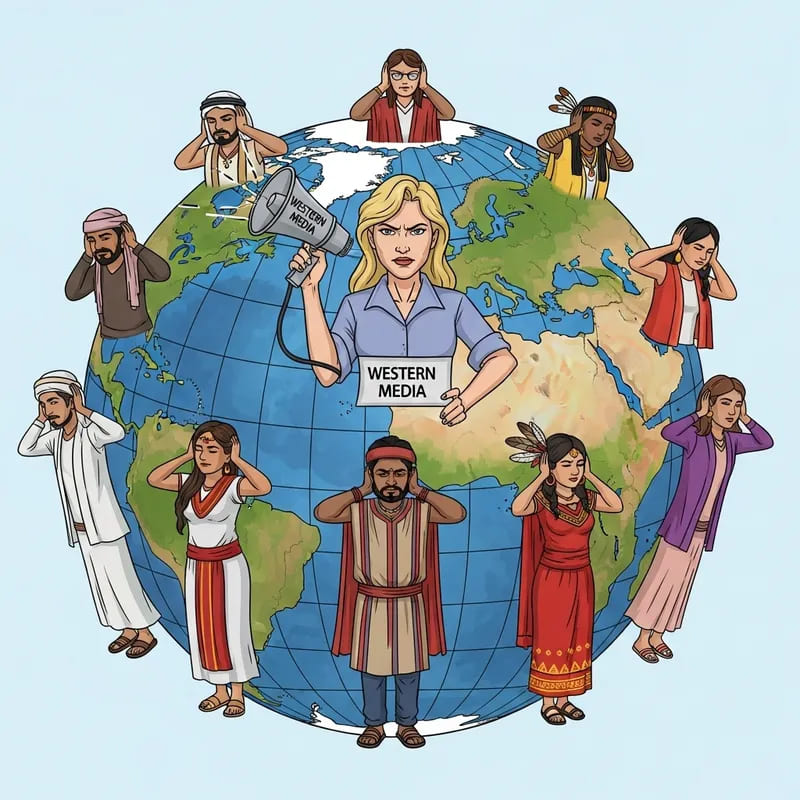
In today’s hyper-connected world, people are increasingly fascinated by cultures outside their own. From fashion and food to music, movies, and lifestyle habits, foreign influences are reshaping the way we think, live, and interact. The phenomenon of Foreign Culture Is Gaining Popularity Today isn’t just a passing trend—it reflects globalization, accessibility of information, and curiosity about different ways of life. Social media, streaming platforms, international travel, and online communities have made it easier than ever for young people and adults alike to explore foreign traditions, aesthetics, and lifestyles. In this blog, we’ll explore the key reasons behind this growing fascination, the areas where foreign culture is most influential, and why it resonates so strongly with modern audiences.
1. Globalization Makes the World Smaller
Advances in travel, international business, and communication mean that foreign cultures are easier to access than ever. People now experience music, food, and fashion from across the globe with just a click, making cross-cultural influence inevitable.
2. Influence of Social Media
Platforms like Instagram, TikTok, and YouTube have become cultural hubs. Influencers showcase foreign lifestyles, food trends, and fashion, encouraging audiences to adopt them. A viral trend in one country can become popular globally in days.
3. Streaming Services Popularize Foreign Entertainment
Netflix, Disney+, and other streaming platforms expose viewers to movies, series, and music from other countries. Korean dramas, Japanese anime, and Western shows have large international fan bases, creating a fascination for the culture behind them.
4. Fashion Trends Go Global
Streetwear from Korea, haute couture from France, and casual Western styles are all influencing youth globally. Social media amplifies these trends, and international collaborations make it easier to access foreign brands.
5. Food Culture Drives Curiosity
Sushi, ramen, pasta, tacos, and bubble tea are no longer confined to their countries of origin. The availability of global cuisine in local cities makes foreign culture tangible and enjoyable through taste.
6. Travel Inspires Lifestyle Changes
People who travel abroad often adopt aspects of the culture they experience, from daily routines to social etiquette, clothing styles, and food habits. Even virtual travel experiences contribute to this.
7. Curiosity and Adventure in Youth
Younger generations are highly curious, experimental, and open-minded. They enjoy exploring foreign languages, customs, music, and fashion, seeing it as a way to differentiate themselves and express individuality.
8. Influence of Pop Culture Icons
Celebrities and international influencers often incorporate foreign elements into their style, music, or behavior. Fans tend to emulate them, further spreading cultural trends.
9. Online Communities Create Micro-Cultures
Communities centered around anime, K-pop, European football, or foreign gaming create subcultures where foreign traditions and aesthetics are celebrated daily.
10. Music Bridges Cultures
Genres like K-pop, reggaeton, Afrobeats, and Latin pop have gained massive international audiences. Music acts as an accessible entry point to explore the broader culture.
11. Language Learning as a Trend
Learning foreign languages is now trendy, often motivated by pop culture, travel, or career goals. Language skills also allow deeper engagement with foreign content.
12. Festivals and Celebrations
International holidays and festivals, like Halloween, Valentine’s Day, and Diwali, are celebrated outside their countries of origin, blending cultures and popularizing traditions.
13. Gaming and Esports Influence
Video games and esports communities expose users to foreign ideas, storytelling, and aesthetics, creating appreciation for other cultures.
14. Educational Influence
Schools, online courses, and documentaries make foreign cultures accessible academically, fostering curiosity and awareness in students and adults alike.
15. Work and Study Abroad Opportunities
Globalization has increased study and work abroad programs. Experiencing foreign culture firsthand drives admiration and adoption of habits and trends.
16. Fashion and Beauty Industry Marketing
Brands often market foreign styles as “trendy” or “exotic,” appealing to youth who want to adopt international looks and lifestyles.
17. Nostalgia and Pop Culture Revival
Foreign movies, anime, and music that were once niche are now nostalgic trends among older youth, reinforcing admiration for international culture.
18. Accessibility of Products Online
Online shopping platforms make foreign products easily available globally, from Japanese skincare to European designer clothing.
19. Food Delivery Services
Apps like Uber Eats or Zomato allow people to experience foreign cuisines from their homes, making international food culture more mainstream.
20. Influencer Travel Diaries
Travel vloggers showcase foreign lifestyles and cultural practices, inspiring followers to adopt or try parts of these cultures.
21. Cultural Fusion is Cool
Blending foreign elements with local practices—like food fusion, fashion combinations, or music mashups—makes international culture approachable and trendy.
22. TikTok Challenges and Trends
Viral dances, challenges, or recipes from foreign countries spread rapidly, encouraging youth to engage and replicate them.
23. Desire for Social Status
Adopting foreign fashion, trends, or language skills is often seen as “modern” or “sophisticated,” boosting social recognition among peers.
24. Aesthetic Appeal
Some foreign cultures are admired for their minimalist, colorful, or unique aesthetics—interior design, clothing, or lifestyle routines inspire people worldwide.
25. Global Influences in Cinema
Hollywood, Bollywood, K-dramas, and European films influence style, dialogues, and lifestyle trends, making foreign culture feel relatable.