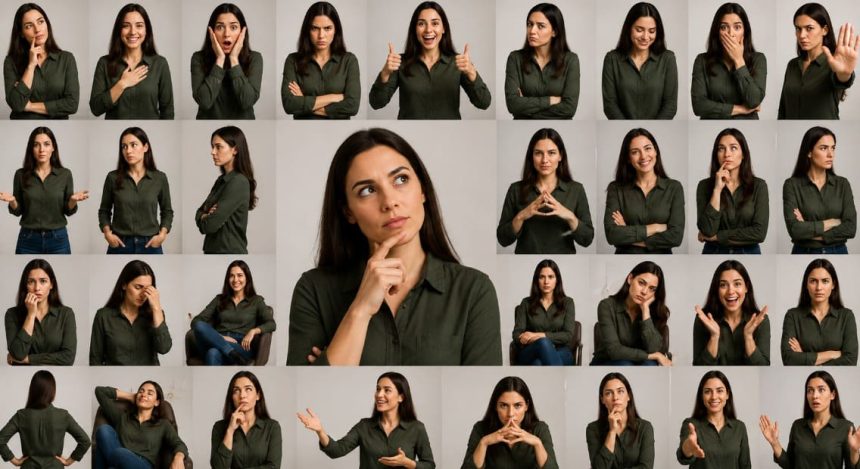
Body language is one of the most powerful forms of communication, even when no words are spoken. Every movement, facial expression, posture, and gesture can reveal hidden emotions, thoughts, confidence levels, and intentions. People often communicate more through body language than through actual speech without even realizing it. A simple smile, crossed arms, eye contact, or nervous movement can instantly change how others understand a situation. Psychologists believe body language plays a major role in relationships, friendships, interviews, social interactions, and even personal success. Learning about body language can help people understand emotions better, improve communication skills, and recognize hidden feelings that words may not express openly. Here’s Amazing Facts About Body Language.
1. Eye Contact Reveals Confidence and Honesty
Eye contact is one of the strongest forms of nonverbal communication. People who maintain comfortable eye contact are often viewed as confident, trustworthy, and attentive. Strong eye contact during conversations can create emotional connection and show genuine interest. However, avoiding eye contact repeatedly may sometimes suggest nervousness, insecurity, discomfort, or dishonesty. In many situations, balanced eye contact helps people feel respected and understood.
2. Crossed Arms Often Signal Emotional Protection
When people cross their arms, it can sometimes indicate discomfort, defensiveness, or emotional protection. This posture may happen when someone feels nervous, judged, or emotionally distant from a situation. However, crossed arms do not always mean negativity because some people simply feel comfortable standing that way. Understanding body language depends heavily on context, environment, and other facial expressions.
3. Genuine Smiles Use More Than Just the Mouth
A real smile usually involves both the mouth and the eyes. Psychologists often explain that genuine happiness activates muscles around the eyes, creating natural warmth in facial expressions. Fake smiles may appear forced because only the lips move while the eyes remain emotionally neutral. This is why authentic smiles often feel more emotionally comforting and trustworthy.
4. People Mirror Those They Feel Connected To
Mirroring happens when people unconsciously copy each other’s posture, gestures, tone, or speaking style. This behavior usually appears between close friends, romantic partners, or individuals who feel emotionally comfortable together. Mirroring is often considered a sign of trust, connection, and social bonding because humans naturally imitate those they relate to emotionally.
5. Nervous Habits Can Reveal Hidden Stress
Small repetitive movements such as tapping fingers, shaking legs, biting nails, or touching the face often appear when someone feels anxious or stressed. These actions help release nervous energy and may happen unconsciously during uncomfortable situations. Observing these behaviors carefully can sometimes reveal emotional tension even when a person verbally says they are fine.
6. Posture Strongly Affects First Impressions
Good posture often creates an image of confidence, discipline, and self-respect. Standing straight with relaxed shoulders can make a person appear more approachable and emotionally balanced. On the other hand, slouching may sometimes signal low confidence, exhaustion, or lack of motivation. Because posture affects how others perceive us, it plays a huge role during interviews, meetings, and social interactions.
7. Raised Eyebrows Show Surprise or Curiosity
Eyebrows react quickly to emotions, especially surprise, confusion, or curiosity. When people suddenly raise their eyebrows, it usually means they are shocked, interested, or emotionally engaged in what they see or hear. Facial expressions involving eyebrows are among the fastest emotional reactions humans display naturally.
8. Touching the Face May Indicate Discomfort
People often touch their nose, lips, chin, or forehead when they feel nervous or uncomfortable. These gestures may happen during stressful conversations, emotional situations, or moments of uncertainty. While face-touching does not automatically mean dishonesty, it can sometimes signal emotional pressure or internal stress.
9. Personal Space Reflects Emotional Comfort
Humans naturally protect their personal space depending on trust and emotional connection. Close friends and family members are usually allowed into smaller personal boundaries, while strangers create a need for more distance. When someone steps too close unexpectedly, people may feel uncomfortable or defensive without realizing why.
10. Hand Gestures Make Communication More Powerful
Using hand movements while speaking often makes communication feel more engaging and expressive. Confident speakers frequently use open hand gestures to emphasize ideas and appear more natural. Hidden hands or tightly closed fists may sometimes signal nervousness or emotional tension during conversations.
11. Feet Can Reveal Hidden Emotions
Many people focus on facial expressions but forget that feet also communicate emotions. Feet often point toward things or people a person feels interested in. During conversations, if someone’s feet constantly point toward the exit, it may suggest they want to leave or feel uncomfortable. Relaxed feet usually indicate emotional comfort and calmness.
12. A Tilted Head Shows Interest and Attention
Tilting the head slightly while listening often signals curiosity, empathy, and emotional engagement. This body language makes people appear more approachable and understanding. It is commonly seen during deep conversations where someone genuinely wants to listen carefully.
13. Fast Blinking Can Signal Stress
Blinking naturally protects the eyes, but rapid blinking sometimes increases during nervousness or pressure. People may blink faster when lying, feeling anxious, or experiencing emotional discomfort. However, environmental factors like dryness and lighting also affect blinking patterns, so context matters greatly.
14. Open Palms Suggest Honesty
Showing open palms during communication is often connected with openness and honesty. Throughout history, open hands symbolized peaceful intentions because they showed a person was not hiding anything. Today, speakers who naturally use open palms often appear more trustworthy and sincere.
15. Leaning Forward Shows Genuine Interest
When someone leans slightly forward during a conversation, it usually indicates strong interest and emotional involvement. This body language suggests the person is actively listening and emotionally engaged. Leaning away, however, may sometimes show discomfort, boredom, or emotional distance.
16. Fake Confidence Can Sometimes Be Spotted
People trying too hard to appear confident may overuse strong gestures, loud voices, or forced eye contact. True confidence usually appears calm, relaxed, and natural rather than exaggerated. Observing natural behavior carefully often reveals the difference between genuine confidence and forced behavior.
17. Silence Is Also a Form of Body Language
Even silence communicates emotions. Long pauses, avoiding reactions, or sudden quietness can reveal sadness, anger, disappointment, or deep thinking. Sometimes people express emotions more strongly through silence than through words themselves.
18. Smiling Can Improve Mood Naturally
Interestingly, smiling does not only express happiness but can also help create it. Studies suggest that smiling may encourage the brain to release positive chemicals linked with happiness and relaxation. This is why smiling often improves both personal mood and social atmosphere.
19. Body Language Changes During Attraction
People often behave differently around someone they are attracted to. They may smile more, fix their hair, maintain eye contact longer, mirror movements, or lean closer during conversations. Attraction creates subtle unconscious behaviors that body language experts can often recognize easily.
20. Most Communication Happens Nonverbally
Many psychologists believe a large percentage of emotional communication happens through tone, facial expressions, gestures, and posture rather than words alone. This explains why someone’s actions often reveal more truth than spoken sentences. Understanding body language can improve relationships, communication skills, and emotional awareness in everyday life.
21. Shrugging Shoulders Often Shows Uncertainty
When people shrug their shoulders, it usually signals confusion, doubt, or lack of knowledge about something. This gesture is considered universal in many cultures and often appears naturally when someone feels unsure. A small shoulder shrug may also indicate emotional helplessness or uncertainty during conversations.
22. Fidgeting Can Reveal Impatience
Constantly moving hands, tapping feet, or adjusting objects may suggest impatience or restlessness. People often fidget when waiting too long, feeling uncomfortable, or struggling to stay focused. While some individuals naturally move more than others, excessive fidgeting often reflects nervous energy.
23. Nodding Encourages Better Communication
Nodding while listening makes the speaker feel understood and respected. It shows attention, agreement, and emotional engagement during conversations. People who nod naturally often appear friendlier and more approachable because they create a sense of connection.
24. Forced Laughter Looks Different From Real Laughter
Real laughter usually involves natural facial movement, relaxed posture, and emotional warmth. Fake laughter may appear shorter, louder, or emotionally disconnected because the body does not fully react naturally. Genuine happiness often spreads across the entire face and body.
25. People Often Touch Their Hair When Nervous
Hair-touching is a common body language habit during stress, attraction, or nervousness. Some people twist or adjust their hair unconsciously while thinking or feeling emotionally pressured. In social situations, it can also appear as a sign of self-awareness or attraction.
26. Tight Lips May Signal Hidden Emotions
Pressing lips tightly together often suggests someone is holding back emotions, opinions, or frustration. This body language can appear during disagreements, stress, or moments when a person chooses silence instead of speaking openly. Lips often react quickly to emotional tension.
27. Wide Eyes Show Strong Emotional Reactions
When people are surprised, excited, or shocked, their eyes naturally widen. This reaction happens because the brain becomes highly alert and focused on the situation. Wide eyes may also appear during fear or strong curiosity, depending on facial expressions and context.
28. Slow Movements Can Reflect Calm Confidence
People who move slowly and calmly are often perceived as more confident and emotionally controlled. Quick and rushed movements may sometimes signal anxiety or nervousness. Calm body movement creates an impression of patience, stability, and self-assurance.
29. Looking Down May Suggest Low Confidence
Frequently lowering the head or avoiding eye-level contact can sometimes reflect insecurity, sadness, or discomfort. People often look down when feeling emotionally weak, embarrassed, or anxious. However, cultural differences also influence how eye contact and head positioning are interpreted.
30. Open Body Posture Makes People More Approachable
Keeping arms relaxed, shoulders open, and posture natural creates a welcoming impression. Open body language helps people appear trustworthy, comfortable, and emotionally available. Closed postures may unintentionally create emotional distance during social interaction.
31. Rapid Speech Often Connects With Nervousness
When people feel anxious or excited, they may speak much faster than usual. Rapid speech can happen because the brain is processing emotions quickly. Calm and steady speech patterns usually suggest emotional balance and confidence.
32. Genuine Interest Appears Through Leaning In
People naturally move closer during conversations when they are emotionally interested or deeply engaged. Leaning slightly inward suggests curiosity and active listening. This subtle movement helps create emotional closeness and stronger communication.
33. Defensive Behavior Often Includes Closed Gestures
Crossed arms, stiff posture, and limited eye contact can sometimes indicate emotional defensiveness. People may unconsciously protect themselves physically when they feel criticized, uncomfortable, or emotionally threatened. Relaxed gestures usually appear once trust increases.
34. Smiling Helps Build Trust Faster
A warm and natural smile makes people feel safer and more comfortable during first impressions. Smiling signals friendliness and emotional openness, helping strangers connect more quickly. Positive facial expressions often improve social interaction instantly.
35. Fake Smiles Usually Disappear Quickly
Unlike genuine smiles, fake smiles tend to fade rapidly because they are controlled consciously rather than emotionally. Real smiles often stay naturally for a few moments and involve relaxed facial muscles. This difference makes authenticity easier to notice.
36. Chin Position Can Reflect Confidence Levels
People who keep their chin slightly raised often appear more confident and self-assured. Lowering the chin too much may suggest insecurity or emotional discomfort. Body posture and head position together strongly affect how confidence is perceived.
37. Restless Hands May Reveal Anxiety
People experiencing stress often struggle to keep their hands still. They may crack fingers, rub palms, or repeatedly touch nearby objects. These hand movements help release nervous energy and can reveal hidden emotional tension.
38. Facial Expressions Are Hard to Hide Completely
Even when people try to hide emotions, small facial reactions often appear for a brief moment. These quick expressions, sometimes called microexpressions, can reveal sadness, anger, surprise, or happiness before the person controls their face again.
39. Confident People Usually Take More Space
Individuals with confidence often stand or sit in a relaxed way that naturally takes up more physical space. They avoid shrinking themselves physically and appear comfortable in their environment. Nervous individuals may try to make themselves appear smaller unconsciously.
40. Body Language Often Speaks Louder Than Words
Sometimes a person’s gestures, posture, and facial expressions reveal more truth than their actual words. Someone may verbally say they are happy while their body language shows sadness or discomfort. This is why understanding body language can improve emotional awareness, relationships, and communication skills in everyday life.