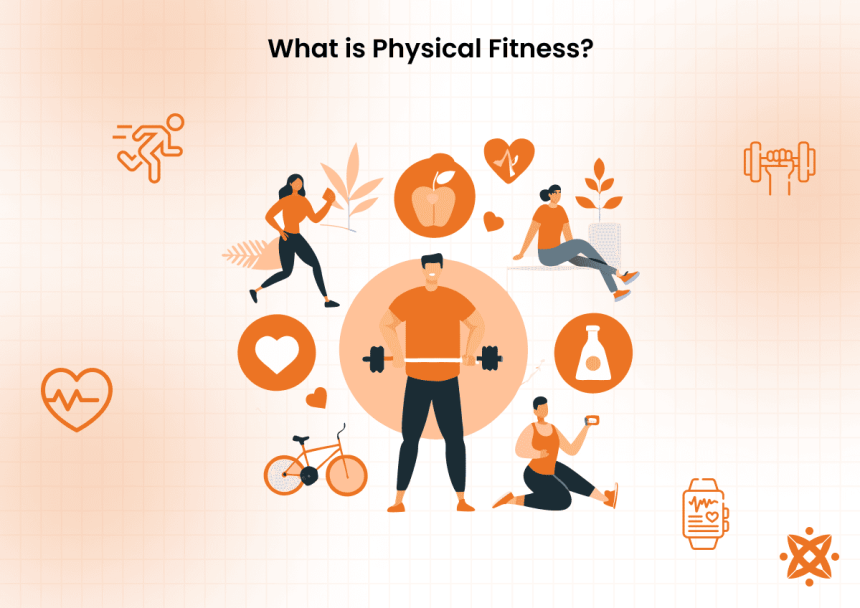
Mental and physical health are deeply interconnected, influencing each other in ways that significantly impact overall well-being. Poor mental health, such as stress, anxiety, or depression, can trigger physical symptoms like high blood pressure, weakened immunity, and chronic pain. Conversely, chronic physical conditions like diabetes, heart disease, or obesity can increase the risk of developing mental health issues, creating a cycle where one affects the other. Understanding this connection is crucial because treating only one aspect—mental or physical—often leads to incomplete outcomes. Factors such as sleep quality, exercise, nutrition, and social connections demonstrate that emotional and physical well-being are interdependent. By recognizing and addressing this relationship, individuals can take proactive measures to improve both mental and physical health, building a foundation for long-term wellness.
Ways Mental and Physical Health Are Connected
1. Stress Increases Physical Strain
Chronic stress leads to elevated cortisol levels, increasing blood pressure, heart rate, and risk of cardiovascular diseases. Managing stress improves both mental clarity and physical well-being.
2. Anxiety Can Cause Digestive Issues
Anxiety often triggers gastrointestinal problems like acid reflux, irritable bowel syndrome, and nausea due to the gut-brain axis. Relaxation techniques help reduce these physical symptoms.
3. Depression Weakens Immunity
Depression lowers the body’s immune response, making individuals more susceptible to infections and illnesses. Positive mental health interventions strengthen immunity over time.
4. Physical Illness Impacts Emotional State
Chronic diseases such as diabetes, arthritis, or heart disease can lead to feelings of helplessness, sadness, or anxiety, showing how physical conditions influence mental well-being.
5. Exercise Boosts Mood and Health
Physical activity releases endorphins and serotonin, improving mood while strengthening the heart, muscles, and bones. Exercise is one of the most effective ways to enhance mental and physical health together.
6. Sleep Quality Connects Mind and Body
Poor mental health often disrupts sleep, while inadequate sleep contributes to cognitive decline, irritability, and weakened immunity. Prioritizing restful sleep benefits both areas.
7. Social Connections Improve Overall Health
Loneliness and social isolation negatively impact mental health and increase inflammation, which affects physical health. Strong social bonds promote both mental resilience and physical longevity.
8. Hormonal Imbalance Links Mind and Body
Stress and emotional disorders affect hormones like cortisol, adrenaline, and thyroid hormones, which influence metabolism, energy levels, and organ function. Maintaining mental balance supports physical health.
9. Pain Perception Is Affected by Mental Health
Chronic pain is often worsened by depression or anxiety. Cognitive behavioral therapy and mindfulness can reduce pain perception, showing the mind’s role in physical discomfort.
10. Nutrition Impacts Mood and Body
Poor dietary habits affect brain function and emotional stability, while healthy nutrition supports energy, immunity, and mental clarity. Vitamins, minerals, and antioxidants are crucial for both mind and body.
11. Cardiovascular Health and Anxiety
Anxiety increases heart rate and blood pressure, raising the risk of heart disease. Managing anxiety through breathing exercises and meditation supports heart health.
12. Inflammation Links Mental Disorders and Physical Disease
Chronic inflammation contributes to depression, autoimmune disorders, and metabolic syndrome. Reducing inflammation through diet, exercise, and stress management improves both mental and physical health.
13. Mental Fatigue Reduces Physical Performance
Cognitive exhaustion can decrease motivation, energy, and coordination, affecting productivity and physical activity levels. Mental relaxation techniques boost both performance and energy.
14. Chronic Illness Can Trigger PTSD or Anxiety
Serious medical conditions can cause trauma and anxiety disorders, highlighting the bidirectional connection between physical challenges and mental health.
15. Mindfulness Reduces Blood Pressure and Stress
Practicing mindfulness lowers stress hormones and improves cardiovascular health while enhancing emotional resilience.
16. Emotional Eating Affects Body Weight
Stress or depression can lead to overeating or poor diet choices, impacting physical health. Mindful eating supports both mental clarity and body weight management.
17. Chronic Stress Leads to Muscle Tension
Persistent mental strain causes tight muscles, back pain, and headaches. Relaxation exercises reduce tension and improve physical comfort.
18. Positive Thinking Enhances Recovery
Optimism and mental resilience improve recovery from illness or surgery by supporting immune function and reducing stress-induced complications.
19. Depression Slows Wound Healing
Mental health directly affects recovery rates. Depression or high stress levels can slow the body’s natural healing processes.
20. Physical Activity Reduces Anxiety
Regular exercise lowers cortisol, alleviates tension, and improves sleep, creating a positive feedback loop for mental and physical health.
21. Chronic Pain Increases Risk of Depression
Persistent pain conditions like arthritis or fibromyalgia can trigger depressive symptoms, reinforcing the mind-body connection.
22. Meditation Improves Heart and Brain Health
Meditation reduces stress, enhances cognitive function, and lowers blood pressure, benefiting both mental and physical health simultaneously.
23. Sedentary Lifestyle Impacts Mood
Lack of movement contributes to weight gain, fatigue, and low serotonin levels, worsening anxiety or depression. Physical activity improves mood and overall fitness.
24. Gut Health Influences Mental Health
The gut microbiome communicates with the brain through the gut-brain axis, affecting mood, stress response, and cognitive function. Balanced nutrition supports both.
25. Alcohol and Substance Use Affect Body and Mind
Excessive alcohol or drugs harm the liver, cardiovascular system, and brain, worsening both physical and mental health. Responsible habits enhance well-being.
26. Trauma Impacts Physical Health
Mental trauma can lead to chronic stress, poor sleep, and weakened immunity, showing long-term consequences on physical health.
27. Chronic Stress Increases Risk of Diabetes
Stress hormones influence blood sugar regulation. Managing mental health reduces the likelihood of developing metabolic disorders.
28. Cognitive Decline Is Linked to Physical Health
Poor cardiovascular health or lack of exercise accelerates cognitive decline, showing the interdependence of physical and mental well-being.
29. Relaxation Lowers Risk of Hypertension
Mental relaxation through hobbies, meditation, or leisure activities lowers blood pressure and improves heart health.
30. Balanced Lifestyle Prevents Burnout
Combining healthy sleep, exercise, nutrition, and mental care prevents burnout and strengthens resilience for both mind and body.
31. Yoga Enhances Mind-Body Balance
Practicing yoga improves flexibility, strength, and posture while reducing stress, anxiety, and depression. Mindful breathing and physical movement work together to support both mental and physical well-being.
32. Mindful Breathing Reduces Stress
Deep breathing exercises calm the nervous system, lower blood pressure, and reduce anxiety. Regular practice strengthens the mind-body connection and improves overall resilience.
33. Nature Exposure Improves Mood
Spending time outdoors boosts vitamin D, reduces cortisol, and improves mood. Physical activity in natural settings supports both emotional and physical health.
34. Strength Training Reduces Depression
Resistance exercises release endorphins, improve body composition, and increase self-esteem, demonstrating a direct link between physical activity and emotional well-being.
35. Cardiovascular Exercise Protects Brain Health
Aerobic activities like walking, running, or cycling improve circulation, enhance memory, and reduce anxiety, showing the benefits of physical movement on cognitive function.
36. Hydration Supports Mental Clarity
Proper water intake maintains focus, prevents fatigue, and regulates mood, illustrating how physical care impacts mental performance.
37. Chronic Illness Requires Emotional Support
Managing long-term conditions like diabetes or hypertension often needs counseling, support groups, or therapy to prevent mental strain from worsening physical health.
38. Laughter Reduces Stress Hormones
Laughing lowers cortisol and adrenaline, improving heart rate and immune function. Humor positively affects both mind and body.
39. Mind-Body Therapies Aid Recovery
Techniques like tai chi, meditation, or Pilates enhance flexibility, mental focus, and reduce pain perception, demonstrating the synergy between mind and body.
40. Journaling Supports Emotional and Physical Health
Writing about thoughts reduces stress, improves sleep, and enhances cognitive clarity, which indirectly benefits physical well-being.
41. Music Therapy Improves Mood and Vital Signs
Listening to music can lower blood pressure, reduce anxiety, and improve heart rate variability, showing a connection between emotional stimulation and physical health.
42. Gratitude Practices Reduce Stress
Daily reflection on positive aspects of life lowers cortisol levels, improves mood, and indirectly supports physical immunity.
43. Meditation Enhances Immune Function
Mindfulness meditation reduces inflammation markers, enhances sleep, and lowers anxiety, creating a holistic improvement in health.
44. Positive Social Interactions Lower Health Risks
Engaging in supportive relationships reduces stress, improves cardiovascular health, and decreases the risk of depression.
45. Work-Life Balance Protects Health
Overworking increases stress and fatigue, negatively affecting immunity and mental health. Balancing work and leisure promotes both emotional and physical resilience.
46. Cognitive Behavioral Therapy Improves Chronic Illness Management
CBT helps patients manage stress and depression caused by chronic illness, improving treatment adherence and overall outcomes.
47. Sleep Hygiene Reduces Anxiety
Maintaining consistent sleep patterns enhances mood regulation, energy, and immune response, demonstrating the mind-body connection.
48. Exposure to Sunlight Improves Mental Health
Natural sunlight boosts serotonin production, enhances mood, and regulates circadian rhythms, supporting both mental and physical health.
49. Mindful Eating Supports Emotional and Physical Balance
Eating slowly, focusing on nutrition, and avoiding emotional eating improves digestive health, mood, and energy levels.
50. Limiting Screen Time Reduces Stress and Eye Strain
Reducing excessive screen exposure lowers mental fatigue, improves sleep, and reduces physical strain on eyes and posture.
51. Volunteering Boosts Mood and Physical Activity
Helping others provides a sense of purpose, reduces stress, and often involves physical activity, benefiting both mind and body.
52. Regular Health Checkups Reduce Anxiety
Monitoring physical health can prevent illness and reduce anxiety about undetected conditions, showing the psychological benefit of proactive care.
53. Aromatherapy Reduces Anxiety and Pain
Essential oils like lavender or peppermint can calm the nervous system, reduce headaches, and improve relaxation.
54. Mindful Stretching Reduces Muscle Tension
Gentle stretching improves blood flow, reduces stiffness, and alleviates stress-induced tension.
55. Reducing Caffeine Improves Sleep and Mood
Limiting caffeine intake stabilizes sleep patterns, reduces anxiety, and supports cardiovascular health.
56. Structured Routines Reduce Stress
Planning daily tasks lowers decision fatigue, reduces anxiety, and maintains consistency in physical activity and nutrition.
57. Physical Therapy Supports Mental Recovery
Rehabilitation exercises after injury or surgery improve physical function and reduce mental stress associated with immobility.
58. Regular Social Exercise Combines Benefits
Activities like group walking, dance, or team sports promote cardiovascular fitness while enhancing social connections, reducing isolation.
59. Pet Therapy Enhances Emotional and Physical Well-being
Caring for pets lowers stress, encourages movement, and provides companionship, improving both mental and physical health.
60. Laughter Yoga Combines Exercise and Fun
Combining physical movement with laughter improves mood, boosts oxygen flow, and reduces stress hormones.
61. Avoid Smoking for Mind and Body
Tobacco harms lungs, heart, and cognition while increasing anxiety and depression risk. Quitting improves overall health on multiple levels.
62. Mindful Goal Setting Reduces Stress
Setting realistic health goals for exercise, diet, or meditation improves mental clarity and provides tangible physical benefits.
63. Body Awareness Improves Emotional Regulation
Techniques like Feldenkrais or Alexander method teach body awareness, reduce tension, and improve emotional control.
64. Deep Sleep Supports Physical Repair and Emotional Stability
Quality sleep allows tissue repair, hormone regulation, and mood stabilization, connecting physical regeneration with mental recovery.
65. Humor and Positivity Lower Blood Pressure
Consistently positive thinking and laughter reduce cardiovascular strain, showing a direct mind-body benefit.
66. Mindfulness Reduces Cravings and Emotional Eating
Being aware of emotions prevents unhealthy eating patterns, supporting both mental clarity and physical health.
67. Stress Management Prevents Metabolic Disorders
Chronic stress contributes to obesity, insulin resistance, and heart disease; managing stress improves metabolic health.
68. Regular Walking Enhances Cognitive Function
Brisk walking boosts blood flow to the brain, reduces anxiety, and supports heart health simultaneously.
69. Progressive Muscle Relaxation Reduces Anxiety and Pain
Tensing and relaxing muscles relieves tension, lowers anxiety, and improves sleep quality, benefiting mind and body together.
70. Mind-Body Practices Reduce Chronic Disease Risk
Yoga, Tai Chi, meditation, and mindfulness collectively reduce inflammation, improve cardiovascular health, and enhance emotional well-being.