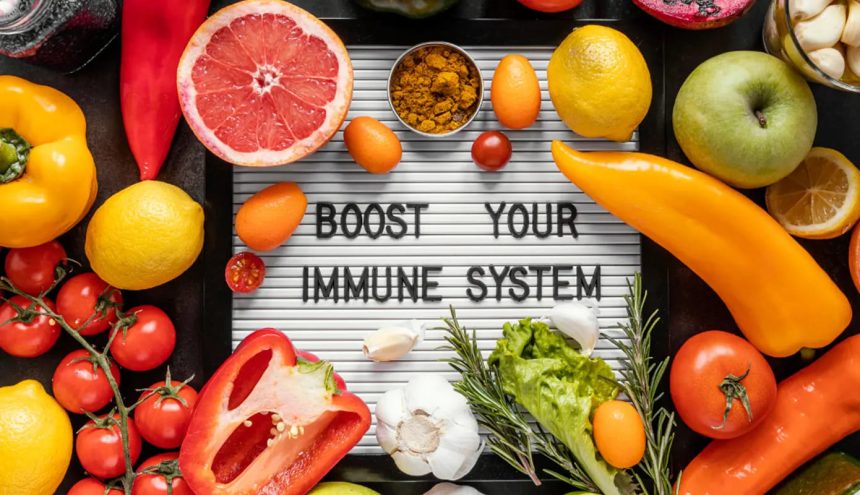
A strong habit that strengthen your immune system is essential for overall health and resilience against infections, stress, and chronic illnesses. While genetics play a role, your daily habits have a powerful impact on how well your body defends itself. From nutrition and exercise to sleep, stress management, and mindful practices, small lifestyle choices can make a huge difference in immunity.
By incorporating habits that strengthen your immune system, you can reduce your risk of infections, speed up recovery times, and promote long-term wellness. Here’s a comprehensive guide with 50 practical habits, backed by research and expert advice, to help you maintain a strong and resilient immune system.
Common Herbs with Blood Sugar Benefits
- Bitter Melon (Momordica charantia) – Contains compounds that mimic insulin and reduce blood sugar.
- Fenugreek (Trigonella foenum-graecum) – Seeds improve glucose tolerance and lower fasting blood sugar.
- Cinnamon (Cinnamomum verum) – Helps improve insulin sensitivity and regulate glucose levels.
- Gymnema Sylvestre – Known as “sugar destroyer,” reduces sugar absorption in the intestine.
- Turmeric (Curcuma longa) – Contains curcumin, which reduces inflammation and improves insulin sensitivity.
- Ginger (Zingiber officinale) – May lower fasting blood sugar and improve insulin response.
- Aloe Vera – Supports glucose regulation and may help lower HbA1c levels.
- Garlic (Allium sativum) – Helps improve insulin sensitivity and reduces blood sugar spikes.
- Holy Basil (Tulsi) – Reduces stress-related blood sugar elevation and improves glucose metabolism.
- Coriander (Coriandrum sativum) – Contains compounds that may help lower blood sugar naturally.
Herbs with Anti-Inflammatory and Antioxidant Properties
- Ginseng (Panax ginseng) – Improves insulin sensitivity and reduces oxidative stress.
- Chamomile (Matricaria chamomilla) – May lower blood sugar and support cardiovascular health.
- Neem (Azadirachta indica) – Reduces blood sugar and supports liver function.
- Mint (Mentha) – Improves digestion and may help manage blood sugar.
- Dandelion (Taraxacum officinale) – Supports liver and kidney function, beneficial in diabetes management.
- Fennel (Foeniculum vulgare) – May aid digestion and improve insulin sensitivity.
- Basil (Ocimum basilicum) – Antioxidant-rich, helps regulate blood sugar.
- Peppermint (Mentha piperita) – Reduces inflammation and supports digestion.
- Oregano (Origanum vulgare) – Contains compounds that may help lower blood sugar levels.
- Sage (Salvia officinalis) – Helps improve insulin sensitivity and glucose metabolism.
Lesser Known but Effective Herbs
- Marjoram (Origanum majorana) – Supports glucose control and digestion.
- Black Seed (Nigella sativa) – Reduces blood sugar and improves cholesterol levels.
- Milk Thistle (Silybum marianum) – Protects the liver and improves glucose control.
- Cayenne Pepper (Capsicum annuum) – Boosts metabolism and may reduce blood sugar spikes.
- Stevia (Stevia rebaudiana) – Natural sweetener that does not spike blood sugar.
- Bay Leaf (Laurus nobilis) – May improve insulin function and reduce glucose levels.
- Hibiscus (Hibiscus sabdariffa) – Rich in antioxidants, may help reduce blood sugar.
- Licorice Root (Glycyrrhiza glabra) – Supports glucose metabolism and reduces inflammation.
- Artichoke Leaf (Cynara scolymus) – Improves liver function and glucose control.
- Cumin (Cuminum cyminum) – May lower fasting blood sugar and improve insulin sensitivity.
Herbal Teas and Infusions for Diabetics
- Rooibos (Aspalathus linearis) – May help improve glucose metabolism and heart health.
- Green Tea (Camellia sinensis) – Rich in antioxidants, supports insulin sensitivity.
- Hawthorn (Crataegus) – Supports cardiovascular health and may improve blood sugar.
- Black Cohosh (Actaea racemosa) – Supports metabolic function and hormonal balance.
- Lemongrass (Cymbopogon citratus) – Helps improve glucose levels and digestion.
- Dandelion Root Tea – Supports liver function and reduces oxidative stress.
- Red Clover (Trifolium pratense) – May improve insulin sensitivity naturally.
- Rosemary (Rosmarinus officinalis) – Rich in antioxidants, supports glucose control.
- Thyme (Thymus vulgaris) – Supports digestion and has antioxidant effects.
- Nettle Leaf (Urtica dioica) – May reduce fasting blood sugar levels.
Additional Herbs for Blood Sugar and Wellness
- Gotu Kola (Centella asiatica) – Supports circulation and metabolic health.
- Ashwagandha (Withania somnifera) – Reduces stress-induced blood sugar elevation.
- Psyllium Husk (Plantago ovata) – Helps regulate blood sugar and supports digestion.
- Chicory Root (Cichorium intybus) – Improves glucose tolerance and gut health.
- Barberry (Berberis vulgaris) – Contains berberine, which supports blood sugar control.
- Yerba Mate (Ilex paraguariensis) – Supports metabolism and reduces glucose spikes.
- Gotu Kola (Centella asiatica) – Enhances circulation and glucose management.
- Eucalyptus (Eucalyptus globulus) – Anti-inflammatory and may support glucose metabolism.
- Juniper Berry (Juniperus communis) – Supports kidney function and glucose control.
- Moringa (Moringa oleifera) – Rich in nutrients, antioxidants, and compounds that support insulin sensitivity.
Tips for Using Herbs Safely for Diabetes
- Consult Your Doctor: Always check with your healthcare provider before starting herbal remedies.
- Start Small: Introduce herbs gradually to monitor effects.
- Combine with Diet & Exercise: Herbs complement a balanced diet and regular physical activity.
- Forms Matter: Herbs can be consumed as teas, capsules, or in cooking.
- Consistency is Key: Benefits often appear gradually with regular use.
These 50 natural herbs for diabetic patients offer a holistic way to support blood sugar management and overall wellness. While they are not a replacement for prescribed medications, integrating them into a healthy lifestyle can enhance energy, improve glucose control, and support long-term health.