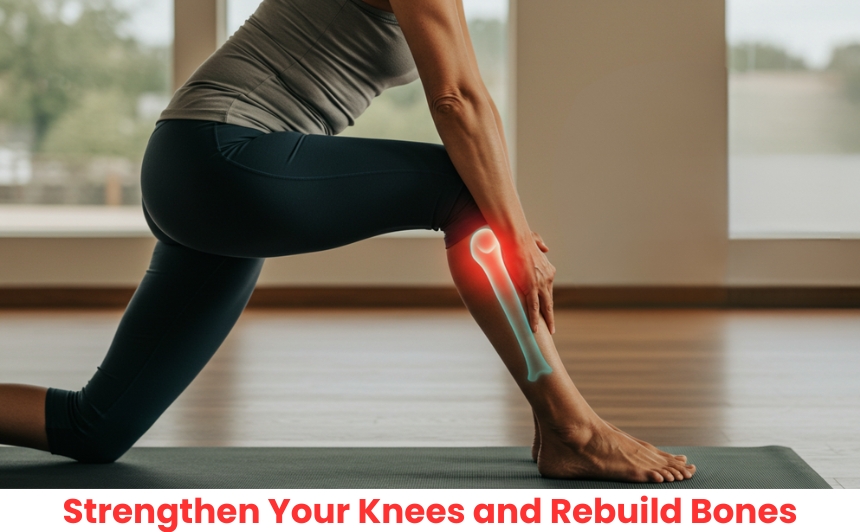
Do you experience knee pain, stiffness, or worry about weak joints as you age? Learning how to strengthen your knees and rebuild bones is crucial for maintaining mobility, preventing injuries, and staying active for years to come. Whether you’re an athlete, dealing with arthritis, or simply looking to improve joint resilience, this comprehensive guide will provide science-backed methods to enhance bone density, lubricate joints, and reduce discomfort—naturally.
Why Knee & Bone Health Matters
Your knees bear up to 4-6 times your body weight with every step, making them one of the most vulnerable joints. Weak bones (osteoporosis) and cartilage degeneration (osteoarthritis) affect millions, but the right lifestyle changes can make a dramatic difference.
Key Factors Affecting Joint & Bone Health:
✔ Aging – Cartilage wears down over time
✔ Nutritional Deficiencies – Lack of calcium, vitamin D, and collagen
✔ Sedentary Lifestyle – Weak muscles increase joint strain
✔ Excess Weight – Extra pounds accelerate knee damage
✔ Injuries & Overuse – Past trauma can lead to chronic issues
7 Science-Backed Ways to Strengthen Your Knees and Rebuild Bones
1. Best Exercises for Stronger Knees & Joints
- Low-Impact Cardio: Swimming, cycling, and elliptical training
- Strength Training: Leg presses, squats (with proper form), and step-ups
- Stability Work: Yoga, Pilates, and balance exercises
- Stretching: Hamstring, quad, and calf stretches to improve flexibility
2. Bone-Building Nutrition: What to Eat
- Calcium-Rich Foods: Dairy, leafy greens, almonds, and fortified plant milk
- Vitamin D Sources: Fatty fish, eggs, and sunlight exposure
- Collagen Boosters: Bone broth, gelatin, and vitamin C-rich fruits
- Anti-Inflammatory Foods: Turmeric, ginger, omega-3s (salmon, walnuts)
3. Supplements That Support Joint Repair
- Glucosamine & Chondroitin – Supports cartilage regeneration
- MSM (Methylsulfonylmethane) – Reduces joint inflammation
- Magnesium – Helps bone mineralization and muscle function
- Vitamin K2 – Directs calcium to bones instead of arteries
4. Hydration & Lubrication for Joints
- Drink at least 8 glasses of water daily to maintain synovial fluid.
- Consume healthy fats (avocados, olive oil) for joint cushioning.
5. Posture & Movement Habits
- Avoid prolonged sitting—stand and stretch every 30 minutes.
- Wear supportive shoes and avoid high heels if you have knee pain.
- Use proper form when lifting heavy objects to prevent joint strain.
6. Natural Pain Relief Methods
- Heat/Cold Therapy – Reduces swelling and stiffness
- Epsom Salt Baths – Magnesium absorption for muscle relaxation
- Topical Remedies – Arnica, CBD cream, or capsaicin for temporary relief
7. Lifestyle Changes for Long-Term Joint Health
- Maintain a healthy weight to reduce knee pressure.
- Quit smoking (it weakens bones and slows healing).
- Get 7-9 hours of sleep for tissue repair.
Myths vs. Facts About Knee & Bone Health
❌ Myth: “Running ruins your knees.”
✅ Fact: Moderate running strengthens joints if done correctly.
❌ Myth: “Cracking knuckles causes arthritis.”
✅ Fact: No proven link—but excessive force may irritate tendons.
❌ Myth: “Only older people need to worry about bones.”
✅ Fact: Bone density peaks at 30—start strengthening early!
When to See a Doctor
Consult a healthcare provider if you experience:
🔴 Severe or persistent joint pain
🔴 Swelling, redness, or warmth around the knee
🔴 Difficulty bearing weight or locking joints
Final Thoughts
Learning how to strengthen your knees and rebuild bones is an investment in your future mobility. By combining smart exercise, joint-friendly nutrition, and healthy habits, you can reduce pain, prevent injuries, and stay active at any age.
Which tip will you try first? Share your thoughts in the comments!