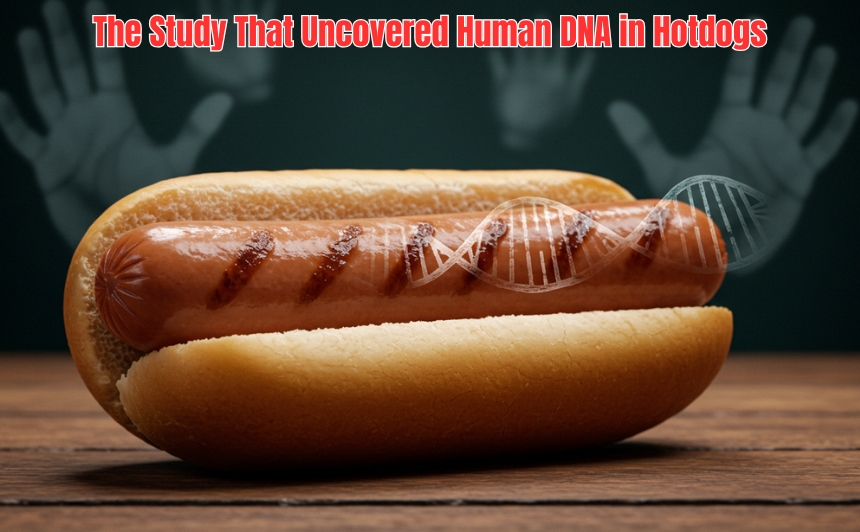
A recent food safety study uncovered something shocking—human DNA in hotdogs. This disturbing revelation sparked global headlines, consumer panic, and raised serious concerns about food manufacturing standards. While hotdogs have long been scrutinized for containing mystery meats, this new finding goes beyond the usual rumors. It raises a question that no one expected to ask: could your favorite ballpark snack be hiding human genetic material?
The Study That Uncovered Human DNA in Hotdogs
In 2015, a food analytics startup called Clear Labs conducted a large-scale investigation into the molecular content of various processed foods. They analyzed 345 samples of hotdogs and sausages from popular brands, both meat-based and vegetarian.
The results were more unsettling than anyone anticipated:
- 2% of samples contained human DNA
- 10% of vegetarian hotdogs contained meat
- Some products listed ingredients not actually present
The discovery of human DNA in hotdogs made headlines across health, science, and food industry news outlets.
🧬 What Does “Human DNA in Food” Really Mean?
Before jumping to cannibalistic conclusions, it’s important to understand the science behind DNA detection:
- The presence of human DNA doesn’t mean actual human flesh was used.
- It can result from cross-contamination during the production process—such as skin cells, hair, or other trace biological materials shed by workers.
According to Clear Labs, the level of DNA found wasn’t necessarily harmful—but it does indicate poor manufacturing practices and hygiene in food processing environments.
🏭 How Does This Contamination Happen?
Contamination can occur at various stages:
- Workers not wearing gloves or masks
- Lack of proper sanitization on production lines
- Improper ingredient handling
- Shared machinery between meat and plant-based products
Although the FDA has regulations in place to prevent this, enforcement gaps and cost-cutting practices can lead to lapses, especially in large-scale or low-budget food facilities.
😱 Consumer Reactions and Brand Backlash
The revelation of human DNA in hotdogs led to:
- Viral headlines and public outcry
- Increased scrutiny on hotdog and sausage brands
- Calls for more transparency in food labeling
- Concerns about plant-based hotdogs, which were expected to be “cleaner”
Many vegetarians were especially disturbed to find meat in plant-based hotdogs, which felt like a betrayal of dietary ethics.
⚖️ Is It Dangerous to Consume?
While gross and unsettling, trace amounts of human DNA are not considered toxic. However, their presence:
- Violates manufacturing standards
- Suggests unhygienic environments
- Erodes public trust in processed food safety
It also raises ethical and religious concerns. For example:
- Hindus, Jews, and Muslims may worry about forbidden cross-contamination.
- Vegetarians and vegans are at risk of unknowingly consuming animal products or worse.
🔬 How to Avoid Contaminated Foods
If you’re now hesitant to eat another hotdog, you’re not alone. Here’s what you can do:
1. Buy from Transparent Brands
Look for companies that are third-party certified for safety, hygiene, and ingredient transparency.
2. Check for Non-GMO & Organic Labels
Though not foolproof, these certifications often indicate better oversight.
3. Read the Ingredients Carefully
Watch for vague labels like “natural flavors” or “mechanically separated meat.”
4. Avoid Overly Processed Foods
The more processed the product, the higher the chance of hidden surprises.
5. Research the Brand’s Recall History
If a brand has had frequent recalls or lawsuits, it’s a red flag.
🌍 Not Just a U.S. Issue
While this study was U.S.-based, food contamination issues are global. For instance:
- In China, meat substitutes were found to contain rat meat.
- In Europe, horse meat was once discovered in beef lasagna.
- In India, reports of plastic in processed snacks have surfaced.
The takeaway? This is a worldwide concern, and consumers everywhere should demand better food integrity.
🧠 Psychological Impact of Knowing This
Beyond health risks, discovering human DNA in hotdogs can create:
- Food paranoia
- Loss of trust in your favorite brands
- Guilt or disgust while eating
This is why emotional responses to food safety violations can be just as damaging as physical consequences.
🧹 What Can the Food Industry Do?
To prevent future scandals like this, food manufacturers need to:
- Improve employee hygiene protocols
- Install high-standard filtering and detection systems
- Undergo regular third-party audits
- Be transparent with consumers about their processes
Governments must also:
- Enforce stricter food safety laws
- Penalize companies for mislabeling or contamination
- Educate consumers on what’s really in their food
🔚 Final Thoughts
The idea of human DNA in hotdogs sounds like a horror story, but it’s a real issue with serious implications. While you probably won’t be harmed by one contaminated hotdog, the bigger picture reveals how broken and untrustworthy the processed food system can be. It’s up to both manufacturers and consumers to push for higher standards, cleaner practices, and honest labeling.