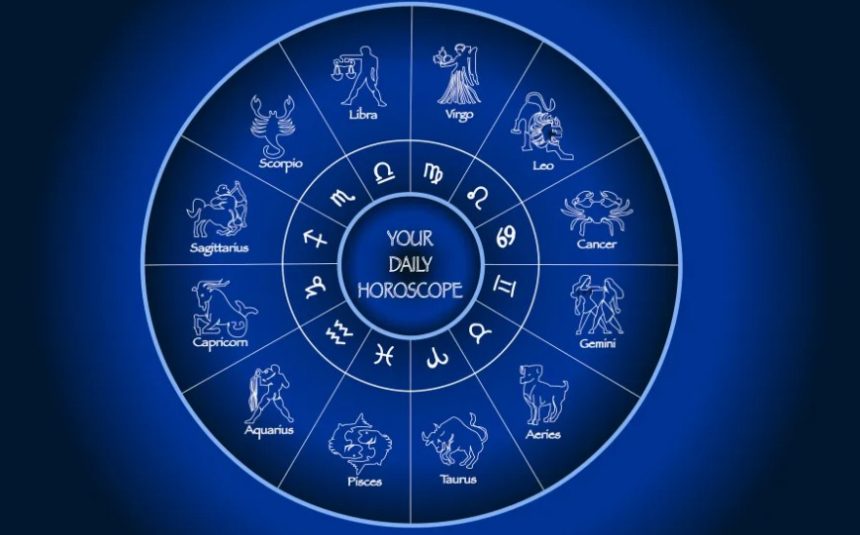
Have you ever wondered how horoscope predicts the future? Astrology is an ancient practice that interprets the positions of planets, stars, and zodiac signs to provide insight into human life. Horoscopes analyze birth charts, planetary movements, and symbolic patterns to explain potential trends in career, love, health, and personal growth. While astrology is not scientifically proven, it serves as a tool for reflection, guidance, and self-awareness, helping people navigate life’s uncertainties with perspective and understanding.
1. Birth Charts: The Blueprint of Your Life
A birth chart, also called a natal chart, is a snapshot of the sky at the exact time and location of your birth. It maps the positions of the Sun, Moon, and planets in different zodiac signs.
Astrologers use this chart as a blueprint to understand:
- Personality traits
- Emotional tendencies
- Strengths and challenges
- Potential life patterns
By tracking how planets move in relation to your natal chart, astrologers explain possible future events and life trends.
2. Planetary Influence and Predictions
Each planet is believed to govern certain aspects of life:
| Planet | Area of Influence |
|---|---|
| Sun | Identity, ego, and vitality |
| Moon | Emotions, intuition, and moods |
| Mercury | Communication, intellect, learning |
| Venus | Love, relationships, creativity |
| Mars | Energy, ambition, courage |
| Jupiter | Luck, growth, opportunities |
| Saturn | Discipline, challenges, lessons |
Astrologers track planetary transits — when planets move through different zodiac signs or houses — to predict trends, challenges, and opportunities in a person’s life.
3. Symbolism in Astrology
Astrology relies heavily on symbolic interpretation rather than exact prediction. For example:
- Jupiter symbolizes growth and prosperity
- Saturn represents obstacles, lessons, and discipline
- Mercury influences thought and communication
When astrologers say, “Jupiter in your career house may bring opportunities,” it’s symbolic guidance, not a guaranteed outcome. These patterns help people understand life situations and make informed choices.
4. Psychological Factors
Horoscopes often feel accurate because of human psychology:
- Barnum Effect: Vague statements feel personally relevant
- Confirmation Bias: People remember correct predictions and ignore incorrect ones
- Self-Reflection: Reading horoscopes encourages introspection, which can feel like guidance
This explains why horoscopes appear to predict the future even without scientific evidence.
5. Historical and Cultural Context
Astrology has been practiced for thousands of years in cultures such as India, China, Greece, and Mesopotamia. It was historically used for:
- Planning events and rituals
- Understanding personality and compatibility
- Predicting agricultural or political events
Today, horoscopes are still popular because they offer reassurance, entertainment, and a structured way to reflect on life.
6. How to Use Horoscopes Effectively
While horoscopes may not predict exact events, they can be used wisely:
- Treat them as guidance, not certainty
- Reflect on personality traits and tendencies
- Use symbolic advice to plan and make decisions
- Combine astrology with practical reasoning
- Explore self-awareness and personal growth
7. Real-Life Examples
- Many people use horoscopes to choose suitable career paths or dates for important events.
- Astrology is often used to analyze compatibility in relationships.
- Daily or weekly horoscopes provide mental preparation and reflection, helping people handle challenges with more confidence.
Conclusion
Understanding how horoscope predicts the future comes down to astrology’s interpretation of birth charts, planetary movements, and symbolic patterns. While horoscopes do not guarantee specific events, they offer insight, guidance, and a framework for self-reflection. By combining astrology with thoughtful decision-making, you can use horoscopes as a tool to navigate life with awareness, plan ahead, and gain perspective on your personal growth, relationships, and goals.