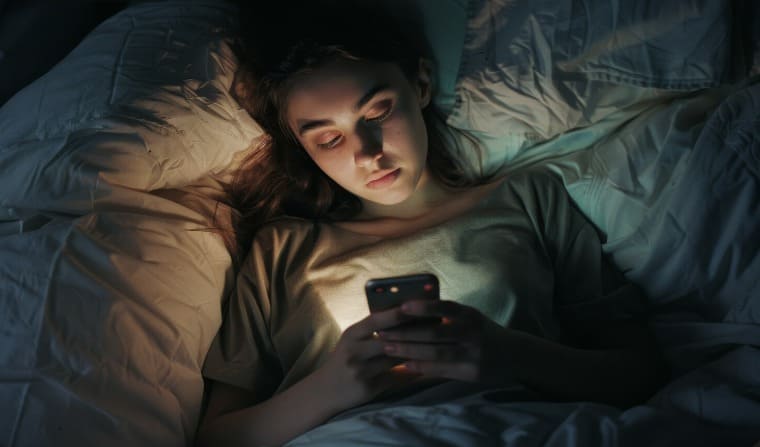
Scrolling through phones, social media, or videos before bed is a common habit, but it can seriously impair sleep quality. Why scrolling before bed makes sleep worse involves a combination of factors: blue light exposure delaying melatonin release, heightened cognitive activity keeping the brain alert, stress or anxiety triggered by content, and disrupted circadian rhythms. Even if you spend adequate hours in bed, these factors reduce restorative deep sleep and REM cycles, leaving you groggy in the morning. In this blog, we’ll explore 50 detailed reasons why late-night scrolling interferes with quality sleep and the science behind each.
1. Blue Light Suppresses Melatonin
Why it happens: Screens emit blue light, signaling the brain that it’s daytime and suppressing melatonin production.
Effect on sleep: Delays sleep onset and reduces deep, restorative sleep.
How to reduce: Use blue-light filters, dim your device, or avoid screens 1–2 hours before bed.
2. Cognitive Overstimulation
Why it happens: Browsing news, videos, and social media keeps the brain active.
Effect on sleep: Mental alertness delays deep sleep entry.
How to reduce: Engage in calming activities like reading or stretching before bed.
3. Emotional Stress from Content
Why it happens: Social media or news may trigger anxiety or FOMO.
Effect on sleep: Cortisol rises, making it difficult to relax.
How to reduce: Avoid emotionally triggering content; use content filters.
4. Dopamine Release from Notifications
Why it happens: Likes and messages release dopamine, activating the brain’s reward system.
Effect on sleep: Brain remains alert, delaying relaxation.
How to reduce: Turn off notifications in the evening or use “Do Not Disturb.”
5. Circadian Rhythm Disruption
Why it happens: Artificial light shifts your internal clock, confusing sleep signals.
Effect on sleep: Sleep cycles misalign with natural circadian rhythms.
How to reduce: Maintain a consistent bedtime; get morning sunlight exposure.
6. Increased Heart Rate
Why it happens: Stimulating content elevates heart rate and sympathetic nervous system activity.
Effect on sleep: Body struggles to relax for restorative sleep.
How to reduce: Practice deep breathing or meditation before bed.
7. Reduced Deep Sleep
Why it happens: Overstimulation prevents slow-wave sleep.
Effect on sleep: Physical restoration and immune system recovery are impaired.
How to reduce: Stop screens an hour before bed; do relaxing stretches.
8. Less REM Sleep
Why it happens: Active brain and light exposure delay REM cycles.
Effect on sleep: Emotional processing and creativity decrease.
How to reduce: Establish a calm pre-sleep routine without devices.
9. Sleep Latency Increases
Why it happens: Engaging content keeps the mind alert.
Effect on sleep: Delayed sleep onset reduces actual restorative sleep hours.
How to reduce: Set a digital curfew at least 1 hour before sleep.
10. Eye Strain from Screens
Why it happens: Extended screen use strains retinal cells.
Effect on sleep: Discomfort interferes with relaxation and micro-awakenings occur.
How to reduce: Use blue-light blocking glasses or reduce screen brightness.
11. Nighttime Anxiety Amplification
Why it happens: Content triggers worry or negative emotions.
Effect on sleep: Cortisol rises, preventing restful sleep.
How to reduce: Journal or practice mindfulness before bed.
12. Reduced Brain Downtime
Why it happens: Brain remains active instead of entering restorative mode.
Effect on sleep: Sleep is lighter with fewer deep and REM cycles.
How to reduce: Engage in offline calming activities.
13. Increased Cortisol Production
Why it happens: Stressful content triggers stress hormones.
Effect on sleep: Reduces deep sleep and sleep efficiency.
How to reduce: Use calming pre-sleep routines like breathing exercises.
14. Habitual Conditioned Alertness
Why it happens: Bedtime scrolling conditions the brain to associate sleep with alertness.
Effect on sleep: Difficulty falling asleep naturally.
How to reduce: Create a consistent no-phone bedtime routine.
15. Interrupted Sleep Cycles
Why it happens: Scrolling pushes bedtime later, shortening or fragmenting sleep stages.
Effect on sleep: Reduced restorative sleep and morning fatigue.
How to reduce: Stick to consistent sleep and wake times.
16. Reduced Morning Energy
Why it happens: Delayed sleep onset reduces deep sleep hours.
Effect on sleep: Feeling groggy and unrefreshed despite enough hours.
How to reduce: Stop screen use 1–2 hours before bed; dim lights.
17. Increased Risk of Insomnia
Why it happens: Chronic bedtime scrolling delays melatonin and circadian alignment.
Effect on sleep: Sleep onset insomnia develops over time.
How to reduce: Establish a digital curfew and bedtime rituals.
18. Poor Emotional Regulation
Why it happens: Reduced REM sleep from late scrolling affects mood.
Effect on sleep: Increased irritability, stress, and emotional volatility.
How to reduce: Avoid stimulating content and practice relaxation exercises.
19. Physical Discomfort from Posture
Why it happens: Holding phones strains neck, back, and shoulders.
Effect on sleep: Muscle tension causes micro-awakenings.
How to reduce: Avoid using devices in bed; maintain ergonomic posture.
20. Overstimulation Reduces Dream Quality
Why it happens: Active brain and emotional content decrease REM quality.
Effect on sleep: Impaired emotional processing.
How to reduce: Practice calm pre-sleep activities like reading.
21. Nighttime Snacking Trigger
Why it happens: Engaging content can trigger mindless eating.
Effect on sleep: Digestive discomfort and micro-awakenings occur.
How to reduce: Avoid eating 1–2 hours before sleep; remove food from bedroom.
22. Reduced Pre-Sleep Relaxation
Why it happens: Scrolling replaces bedtime rituals that prepare the body for sleep.
Effect on sleep: Harder to enter deep sleep stages.
How to reduce: Swap scrolling for reading, meditation, or stretching.
23. Overactive Nervous System
Why it happens: Emotional content activates the sympathetic nervous system.
Effect on sleep: Delays slow-wave sleep and reduces quality.
How to reduce: Do deep breathing or progressive muscle relaxation before bed.
24. Delayed Melatonin Release
Why it happens: Blue light signals the brain it’s daytime.
Effect on sleep: Sleep onset is delayed and less restorative.
How to reduce: Use night mode or avoid screens 1–2 hours before bed.
25. Reduced Immune System Repair
Why it happens: Less deep sleep reduces the body’s ability to repair.
Effect on sleep: Morning fatigue and lower immunity.
How to reduce: Prioritize screen-free pre-bed routines and proper sleep environment.
26. Lowered Emotional Resilience
Why it happens: Reduced REM from late-night scrolling impairs emotional regulation.
Effect on sleep: Mood swings and irritability the next day.
How to reduce: Avoid content that triggers strong emotions at night.
27. Micro-Awakenings
Why it happens: Mental stimulation causes brief awakenings during the night.
Effect on sleep: Reduces restorative slow-wave and REM sleep.
How to reduce: Keep the bedroom dark, quiet, and screen-free.
28. Reduced Memory Consolidation
Why it happens: Less REM and deep sleep impairs hippocampus function.
Effect on sleep: Forgetfulness and mental fog the next day.
How to reduce: Avoid screen use before sleep; practice offline relaxation.
29. Increased Nighttime Anxiety
Why it happens: Scrolling exposes the mind to stressful or competitive content.
Effect on sleep: Cortisol remains high, delaying deep sleep.
How to reduce: Journal or meditate to release stress before bed.
30. Alters Circadian Genes
Why it happens: Light at night affects genes controlling circadian rhythm.
Effect on sleep: Sleep onset is delayed; cycles misaligned.
How to reduce: Dim lights and limit screens in the evening.
31. Reduced Parasympathetic Activation
Why it happens: Late scrolling keeps the sympathetic nervous system active.
Effect on sleep: Harder to enter the restorative parasympathetic state.
How to reduce: Deep breathing or gentle yoga before bed.
32. Increases Risk of Chronic Sleep Debt
Why it happens: Later sleep onset shortens total restorative sleep.
Effect on sleep: Accumulated fatigue, grogginess, and reduced performance.
How to reduce: Set a fixed bedtime and digital curfew.
33. Impaired Cognitive Recovery
Why it happens: Sleep is required for glymphatic brain detox.
Effect on sleep: Mental fatigue and brain fog persist.
How to reduce: Avoid stimulating content; prioritize calm pre-bed routines.
34. Encourages Late-Night Social Comparison
Why it happens: Social media posts trigger FOMO or envy.
Effect on sleep: Anxiety and cortisol elevation prevent restorative sleep.
How to reduce: Unfollow triggers; limit social media at night.
35. Disrupted Hormonal Balance
Why it happens: Melatonin and cortisol rhythms are disrupted.
Effect on sleep: Deep and REM sleep cycles are shortened.
How to reduce: Dim lights and maintain consistent sleep schedules.
36. Increased Emotional Reactivity
Why it happens: Stimulating content activates emotional centers in the brain.
Effect on sleep: Heightened emotional arousal delays sleep onset.
How to reduce: Engage in calming activities; avoid emotionally charged content.
37. Delays Sleep Phase
Why it happens: Late-night engagement shifts sleep onset to later hours.
Effect on sleep: Morning grogginess and misaligned circadian rhythm.
How to reduce: Use an alarm for bedtime; avoid screens 1 hour before sleep.
38. Reduces Sleep Satisfaction
Why it happens: Sleep feels non-restorative due to stimulation.
Effect on sleep: Morning fatigue and lack of alertness.
How to reduce: Implement relaxing, screen-free pre-bed routines.
39. Increases Nighttime Snacking or Hydration
Why it happens: Scrolling triggers late-night eating or drinking.
Effect on sleep: Digestive discomfort and micro-awakenings.
How to reduce: Avoid food and drinks near bedtime; remove from bedroom.
40. Reduced Sleep Efficiency
Why it happens: Time in bed does not equal restorative sleep when scrolling.
Effect on sleep: Grogginess and fatigue despite adequate hours.
How to reduce: Stop screens and create a calming bedtime routine.
41. Habitual Overstimulation
Why it happens: Repeated screen use at night trains the brain to remain alert.
Effect on sleep: Difficulty falling asleep naturally without devices.
How to reduce: Gradually replace scrolling with calming offline activities.
42. Reduced Dream Quality
Why it happens: Less REM sleep reduces vivid and restorative dreaming.
Effect on sleep: Emotional processing and mental recovery suffer.
How to reduce: Avoid stimulating content; maintain dark, quiet environment.
43. Nighttime Mental Rumination
Why it happens: Content triggers worry, overthinking, or stress reflection.
Effect on sleep: Delays sleep onset and reduces deep sleep.
How to reduce: Journaling or meditation before bed.
44. Lowered Morning Alertness
Why it happens: Sleep is shallow and fragmented due to stimulation.
Effect on sleep: Morning grogginess, brain fog, and low productivity.
How to reduce: Screen-free pre-bedtime and consistent sleep schedule.
45. Disrupts Physical Recovery
Why it happens: Reduced slow-wave sleep prevents muscle repair and growth hormone release.
Effect on sleep: Morning fatigue and soreness.
How to reduce: Avoid screens; maintain relaxation routines.
46. Impaired Emotional Resilience
Why it happens: Reduced REM sleep impacts coping mechanisms.
Effect on sleep: Increased irritability and sensitivity the next day.
How to reduce: Avoid emotionally triggering content; relax before bed.
47. Alters Neurotransmitter Balance
Why it happens: Dopamine, serotonin, and melatonin rhythms are disrupted.
Effect on sleep: Sleep is less restorative; fatigue persists.
How to reduce: Consistent bedtime routine and screen-free period.
48. Reduces Overall Sleep Duration
Why it happens: Scrolling delays bedtime.
Effect on sleep: Total restorative sleep hours decrease.
How to reduce: Set a digital curfew and bedtime alarm.
49. Weakens Immune Function
Why it happens: Less deep sleep reduces cytokine production.
Effect on sleep: Increased susceptibility to illness and fatigue.
How to reduce: Prioritize screen-free bedtime and sleep hygiene.
50. Creates a Vicious Cycle
Why it happens: Late scrolling → delayed sleep → morning fatigue → more screen use at night.
Effect on sleep: Chronic sleep disruption and fatigue.
How to reduce: Replace scrolling with calm activities; maintain consistent sleep schedule.
Conclusion
Scrolling before bed disrupts melatonin, circadian rhythm, REM/deep sleep, and emotional balance. Understanding why scrolling before bed makes sleep worse and applying these practical strategies can restore sleep quality, morning alertness, and overall well-being.