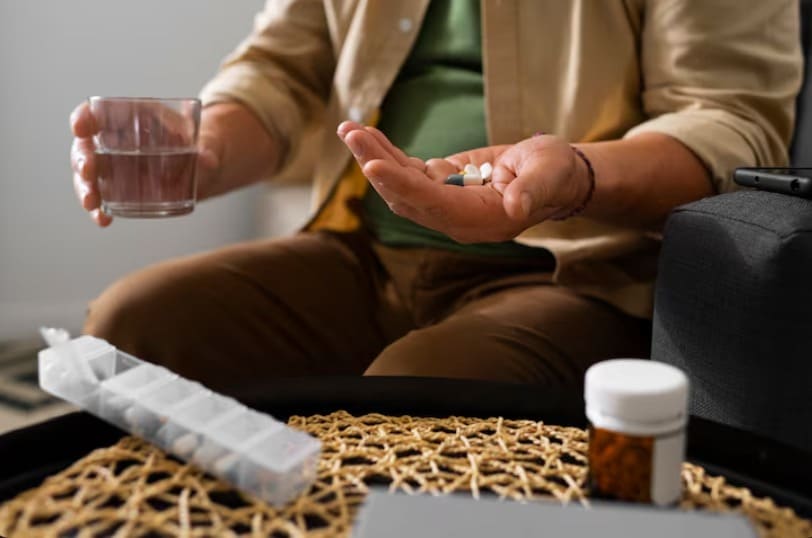
Managing stress is essential for maintaining mental, emotional, and physical well-being, and it doesn’t always require medication. There are numerous evidence-based strategies that help calm the mind, balance emotions, and restore energy naturally. From mindfulness practices and physical activity to lifestyle adjustments and cognitive techniques, learning ways to reduce stress without medication empowers individuals to regain control, build resilience, and improve overall quality of life. These approaches not only alleviate tension but also create lasting habits that support a healthier, more balanced lifestyle.
1. Practice Mindful Meditation
Mindful meditation is one of the most effective ways to reduce stress without medication. By focusing on your breath, bodily sensations, or a simple mantra, you bring attention to the present moment. This practice helps calm the mind, release racing thoughts, and reduce anxiety. Regular meditation strengthens emotional resilience, improves concentration, and promotes a sense of inner peace, allowing stressors to be approached with clarity and calm.
2. Engage in Regular Physical Activity
Exercise is a natural stress reliever because it stimulates the production of endorphins, chemicals in the brain that elevate mood. Activities such as walking, jogging, yoga, or dancing not only improve physical health but also reduce tension in muscles and improve sleep quality. Engaging in regular movement helps release built-up stress, boosts energy levels, and provides a constructive outlet for emotional release.
3. Practice Deep Breathing Exercises
Deep, intentional breathing activates the parasympathetic nervous system, which counteracts the body’s stress response. Techniques such as diaphragmatic breathing, box breathing, or 4-7-8 breathing help slow heart rate, reduce cortisol levels, and create a sense of calm. Integrating deep breathing into daily routines allows individuals to manage stress in real-time and respond to challenges more mindfully.
4. Prioritize Quality Sleep
Sleep is essential for mental and emotional recovery. Lack of rest increases stress hormone production and reduces the body’s ability to cope with challenges. Prioritizing a consistent sleep schedule, creating a relaxing bedtime routine, and optimizing the sleep environment supports both physical and psychological resilience. Adequate sleep improves mood regulation, cognitive function, and overall stress management.
5. Reduce Exposure to Stress Triggers
Identifying and minimizing exposure to stress-inducing situations or people can have a significant impact. This may involve setting boundaries at work, limiting negative media consumption, or avoiding toxic interactions. By reducing triggers, you preserve emotional energy, maintain a calmer state of mind, and create a more supportive environment for mental well-being.
6. Practice Mindful Eating
Stress affects digestion and nutritional balance, which can exacerbate tension. Mindful eating—paying full attention to meals, savoring flavors, and eating slowly—improves digestion and enhances awareness of the body’s needs. Consuming balanced, nutrient-rich meals stabilizes energy levels, supports brain health, and contributes to emotional balance, making it a vital non-medication strategy for stress reduction.
7. Engage in Creative Outlets
Creative activities such as painting, writing, music, or crafting provide a therapeutic way to channel emotions. Expressing feelings through creativity reduces mental clutter, releases tension, and fosters mindfulness. Engaging in creative endeavors nurtures a sense of accomplishment and joy, which counters stress and promotes emotional resilience.
8. Spend Time in Nature
Immersion in natural environments reduces stress hormones and improves mood. Activities like walking in a park, hiking, or simply sitting near greenery allow the mind to reset and relax. Nature exposure enhances cognitive clarity, encourages mindful awareness, and provides a restorative escape from everyday pressures, fostering a calmer, balanced state of being.
9. Practice Progressive Muscle Relaxation
Progressive muscle relaxation involves tensing and then releasing each muscle group in the body. This method helps identify areas of tension, promotes physical relaxation, and reduces mental stress. Regular practice increases bodily awareness, alleviates anxiety, and creates a profound sense of calm without relying on medication.
10. Limit Caffeine and Sugar Intake
High levels of caffeine and refined sugars can exacerbate anxiety and stress responses. By moderating intake, you reduce spikes in blood sugar and avoid overstimulation of the nervous system. Consuming balanced meals and healthy beverages supports stable energy levels, emotional regulation, and a calmer physiological state, making stress management more achievable naturally.
11. Build a Supportive Social Network
Having trustworthy friends or family to share experiences with significantly reduces stress. Social support provides emotional validation, practical advice, and a sense of belonging. Talking through challenges with empathetic listeners helps process emotions, gain perspective, and feel less isolated, strengthening resilience without the need for medication.
12. Maintain a Journaling Practice
Writing down thoughts and feelings provides a safe outlet for stress. Journaling allows reflection, emotional release, and clarification of problems. By documenting experiences, patterns of stress can be identified and managed more effectively. This practice promotes mindfulness, self-awareness, and a sense of control over one’s mental state.
13. Incorporate Mindful Movement Practices
Mindful movement practices such as yoga, tai chi, or qigong combine physical activity with focused attention. These practices improve flexibility, enhance body awareness, and regulate breath, fostering relaxation and reducing stress. Mindful movement strengthens the connection between mind and body, promoting overall well-being naturally.
14. Practice Gratitude Daily
Focusing on positive aspects of life reduces stress by shifting attention away from worries. Keeping a gratitude journal or reflecting on small daily joys fosters optimism, emotional resilience, and a balanced perspective. Regular gratitude practice encourages mindfulness, improves mood, and creates a buffer against stress without any medication.
15. Limit Multitasking
Trying to juggle multiple tasks simultaneously can overwhelm the mind and increase stress levels. Focusing on one task at a time improves efficiency, reduces mental clutter, and encourages presence in the moment. By practicing single-tasking, you can approach responsibilities calmly and thoughtfully, preventing stress accumulation naturally.
16. Practice Guided Visualization
Guided visualization involves imagining calming scenes or positive outcomes while focusing on sensory details. This mental exercise helps shift attention away from stressors and activates the body’s relaxation response. Visualizing peaceful environments, like beaches or forests, or imagining success in challenging situations can reduce anxiety, increase confidence, and restore a sense of control over stressful circumstances.
17. Develop a Daily Routine
Establishing a consistent daily routine provides structure and predictability, which naturally reduces stress. Knowing what to expect and allocating time for work, rest, and recreation prevents overwhelm. A balanced routine nurtures mental clarity, fosters self-discipline, and creates a stable environment where stress can be managed more effectively.
18. Practice Aromatherapy
Certain scents, such as lavender, chamomile, or sandalwood, have been shown to reduce stress and promote relaxation. Using essential oils in diffusers, baths, or massage oils can calm the nervous system, ease tension, and enhance mood. Aromatherapy serves as a simple, natural technique to regulate emotions and cultivate a soothing environment.
19. Limit Digital Overload
Excessive screen time and constant exposure to news, emails, or social media can heighten stress levels. Setting boundaries with technology—like screen-free periods, limiting notifications, or digital detox days—reduces mental clutter and promotes presence. Mindful engagement with devices helps reclaim focus, reduces anxiety, and supports mental clarity.
20. Engage in Laughter Therapy
Laughter is a powerful stress reliever because it stimulates endorphins, lowers cortisol, and relaxes muscles. Watching a funny movie, spending time with humorous friends, or engaging in playful activities can lighten the mind and provide a temporary escape from stress. Regular laughter promotes positivity, emotional resilience, and improved overall well-being.
21. Practice Self-Compassion
Being kind and forgiving toward yourself reduces the internal pressure that exacerbates stress. Recognize your limits, acknowledge efforts, and avoid harsh self-criticism. Self-compassion fosters emotional resilience, improves self-esteem, and allows for healthier responses to challenges, cultivating calm and balance in everyday life.
22. Engage in Outdoor Physical Activities
Outdoor activities like hiking, cycling, swimming, or jogging provide a dual benefit: physical exercise and exposure to natural environments. Sunlight and fresh air boost vitamin D, improve mood, and help regulate sleep. Engaging in outdoor movement naturally reduces stress hormones and promotes relaxation and vitality.
23. Listen to Music Mindfully
Music has a profound impact on mood and stress levels. Listening to calming or favorite tracks intentionally, focusing on rhythm, lyrics, and instrumentation, can soothe anxiety and elevate mood. Music therapy supports emotional processing, enhances relaxation, and provides a healthy outlet for managing stress naturally.
24. Practice Time Management
Poor time management often leads to unnecessary stress. Prioritizing tasks, breaking projects into manageable steps, and setting realistic deadlines can reduce feelings of overwhelm. Effective time management improves productivity, creates a sense of accomplishment, and supports mental clarity, allowing you to approach challenges calmly and strategically.
25. Limit Alcohol and Stimulants
Excessive alcohol, caffeine, or nicotine can exacerbate stress and anxiety. Reducing or moderating intake stabilizes mood, improves sleep quality, and supports nervous system balance. Maintaining mindful consumption enhances emotional resilience and provides a healthier, medication-free approach to stress management.
26. Connect with Animals or Pets
Interacting with animals has been proven to reduce stress hormones and increase oxytocin, the “bonding hormone.” Petting a dog, playing with a cat, or observing wildlife provides emotional comfort, reduces anxiety, and encourages presence. Animal companionship fosters joy, relaxation, and a sense of calm that supports holistic stress relief.
27. Practice Grounding Techniques
Grounding exercises anchor you in the present moment, reducing anxiety about the past or future. Techniques such as focusing on physical sensations, describing surroundings in detail, or using the 5-4-3-2-1 method help calm the mind. Grounding promotes clarity, reduces overwhelm, and enhances emotional regulation during stressful moments.
28. Engage in Volunteer Work
Helping others fosters purpose, gratitude, and perspective, which naturally reduce personal stress. Volunteering encourages social connection, emotional satisfaction, and feelings of accomplishment. By contributing positively to others’ lives, individuals experience a sense of fulfillment that counterbalances stress and promotes emotional well-being.
29. Limit Multitasking
Multitasking increases cognitive load and mental fatigue, elevating stress. Focusing on one task at a time improves efficiency, enhances attention, and reduces mental strain. Single-tasking allows for deeper engagement, better outcomes, and a calmer state of mind, creating a sustainable, medication-free way to manage stress.
30. Develop a Personal Relaxation Ritual
Creating a daily or weekly relaxation ritual—like reading, taking a bath, journaling, or practicing yoga—signals the body and mind that it is time to unwind. Consistent relaxation rituals reduce cumulative stress, improve emotional regulation, and strengthen resilience. These intentional moments of calm become a cornerstone in managing stress without relying on medication.