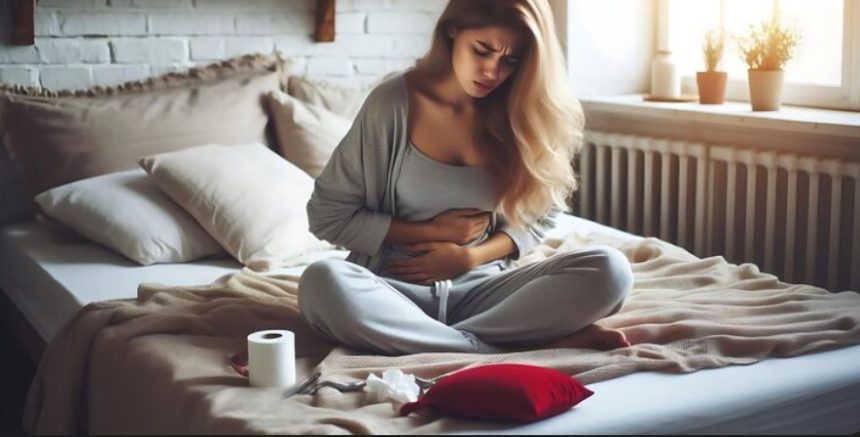
Bloating happens during periods is a common symptom that affects many women, making the abdomen feel swollen, heavy, or uncomfortable. It occurs due to hormonal changes, water retention, and digestive shifts that happen as the body prepares for menstruation. While bloating is usually temporary, it can interfere with daily activities, self-confidence, and overall comfort. Understanding why bloating happens and adopting natural remedies, dietary adjustments, and lifestyle strategies can help relieve this discomfort and make menstrual cycles more manageable.
Why Bloating Happens During Periods
Bloating occurs because of hormonal fluctuations in the menstrual cycle. In the luteal phase (the 1–2 weeks before menstruation), estrogen and progesterone levels rise. Estrogen promotes water retention, causing tissues in the abdomen, breasts, and limbs to swell. Progesterone slows digestion and can lead to gas buildup and constipation.
Other factors that contribute to bloating include:
- Digestive changes: Slower intestinal movement can cause trapped gas and discomfort.
- Dietary habits: High salt, sugar, and processed foods worsen fluid retention.
- Stress and sleep disturbances: Increased cortisol can affect digestion and exacerbate bloating.
- Sedentary lifestyle: Lack of movement reduces circulation and increases fluid buildup.
Bloating can also occur due to pre-existing conditions such as irritable bowel syndrome (IBS), endometriosis, or polycystic ovary syndrome (PCOS), which make women more sensitive to fluid retention and digestive changes during periods.
Common Symptoms of Menstrual Bloating
- Swollen or distended abdomen
- Feeling of fullness or heaviness
- Tightness in clothing around the waist
- Increased gas or flatulence
- Temporary weight gain of 1–3 pounds due to fluid retention
- Occasional breast swelling
Bloating is often mild, but for some women, it can be painful or interfere with work and daily activities.
Dietary Strategies to Reduce Bloating
Foods to Include
- Potassium-rich foods: Bananas, spinach, sweet potatoes, and avocados help balance sodium and reduce water retention.
- High-fiber foods: Whole grains, fruits, and vegetables promote digestion and prevent constipation-related bloating.
- Lean proteins: Chicken, fish, tofu, and legumes stabilize blood sugar and reduce inflammation.
- Herbs and spices: Ginger, fennel, cinnamon, and turmeric support digestion and reduce gas.
- Hydration: Drinking 8–10 glasses of water flushes out excess sodium and reduces swelling.
Foods to Avoid
- Excessive salt and processed foods
- Carbonated drinks and sodas
- Fried and greasy foods
- High-sugar snacks that worsen bloating
- Gas-inducing foods like cabbage, beans, and onions
Tip: Eating smaller, more frequent meals instead of heavy meals reduces pressure on the digestive system during periods.
Natural Remedies for Menstrual Bloating
1. Herbal Teas
- Ginger Tea: Anti-inflammatory, improves digestion, reduces gas.
- Peppermint Tea: Antispasmodic, relieves abdominal discomfort.
- Chamomile Tea: Relaxes muscles, reduces tension, and supports sleep.
- Fennel Tea: Improves digestion and reduces water retention.
2. Warm Compress or Heating Pad
Placing heat on the lower abdomen relaxes muscles, improves blood flow, and reduces digestive discomfort. Warm baths can also soothe tension throughout the pelvic region.
3. Probiotics
Yogurt, kefir, and probiotic supplements support gut microbiota and improve digestion, helping reduce bloating caused by slow or irregular bowel movements.
4. Magnesium-Rich Foods or Supplements
Almonds, pumpkin seeds, dark chocolate, and leafy greens help regulate fluid balance and reduce swelling. Magnesium also relaxes muscles, alleviating abdominal tension.
Exercise and Yoga for Bloating Relief
1. Cat-Cow Stretch (Marjaryasana-Bitilasana)
- Arch and dip your spine while on hands and knees.
- Improves circulation and loosens abdominal muscles.
2. Wind-Relieving Pose (Pawanmuktasana)
- Lie on your back, bring knees to chest, and gently press for a few seconds.
- Releases trapped gas and reduces bloating.
3. Child’s Pose (Balasana)
- Kneel, sit back on heels, stretch arms forward, and relax forehead to floor.
- Relieves pelvic tension and calms the nervous system.
4. Seated Forward Bend
- Sit with legs extended, fold forward gently.
- Massages abdominal organs, easing digestive discomfort.
5. Light Cardio and Walking
- Walking or cycling increases endorphin production, boosts metabolism, and reduces water retention.
Lifestyle Adjustments to Manage Bloating
- Manage Stress: Meditation, deep breathing, and mindfulness reduce cortisol and improve digestion.
- Sleep Well: 7–9 hours of sleep helps maintain hormonal balance and reduces bloating.
- Avoid Tight Clothing: Loose clothing around the abdomen improves comfort and circulation.
- Stay Active: Daily movement, even light stretching, prevents fluid buildup.
Tracking Patterns to Reduce Bloating
Keeping a menstrual diary is useful for identifying triggers. Record:
- Foods eaten
- Exercise routines
- Stress levels
- Bloating severity
- Remedies that worked
Tracking helps you adjust habits proactively and anticipate bloating each cycle.
When to Seek Medical Advice
Consult a healthcare provider if bloating is:
- Persistent beyond menstruation
- Severe and painful
- Associated with sudden weight gain or digestive issues
- Linked to conditions like IBS, endometriosis, or PCOS
Medical evaluation ensures proper treatment and rules out underlying conditions.
Weekly Routine to Prevent Bloating Naturally
Pre-Menstrual Phase (2–3 days before period)
- Drink herbal teas daily
- Light yoga and stretching
- Consume anti-inflammatory meals
- Moderate exercise like walking or swimming
During Menstruation
- Apply heat therapy as needed
- Herbal teas for digestive relief
- Gentle yoga or stretching
- Avoid salty, processed, or carbonated foods
- Track symptoms and comfort levels
Post-Menstrual Phase
- Continue balanced, anti-inflammatory diet
- Maintain regular exercise routine
- Hydrate and sleep well
- Plan for next cycle with symptom tracking
Conclusion
Bloating during periods is a natural consequence of hormonal changes, water retention, and digestive shifts. Although temporary, it can affect comfort, confidence, and daily life. By combining dietary adjustments, natural remedies, yoga, exercise, lifestyle changes, and stress management, women can reduce bloating and feel lighter during menstruation. Understanding the causes and proactively managing symptoms empowers women to navigate their menstrual cycles with comfort, control, and well-being.