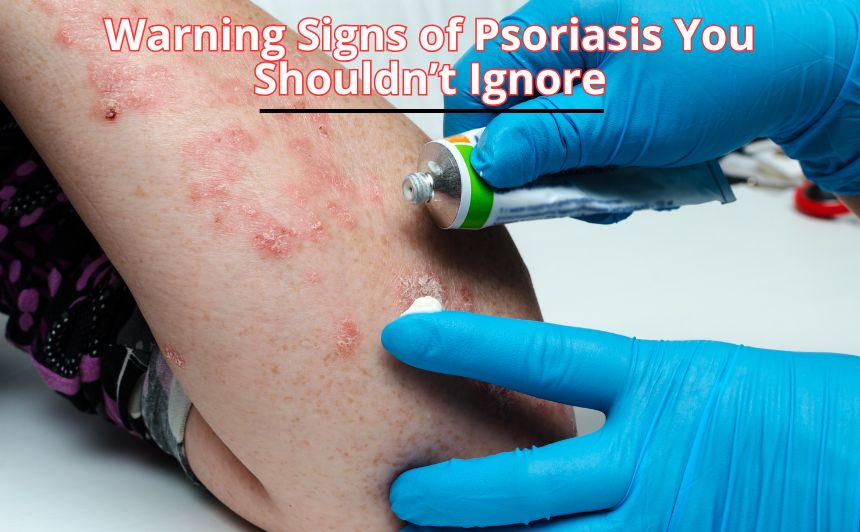
If you’ve noticed persistent skin irritation, flaking, or red patches, you might be seeing the warning signs of psoriasis. This chronic autoimmune skin condition often starts subtly, but early detection can help you manage symptoms effectively and prevent complications. In this blog, we’ll explore the signs you should never ignore, the causes behind psoriasis, the types of the condition, and available treatment options.
🧬 What Is Psoriasis?
Psoriasis is a chronic autoimmune disorder that causes skin cells to multiply up to 10 times faster than normal. This rapid buildup results in red, scaly, and often itchy patches. It’s not contagious, but it can be persistent and even painful if left untreated.
🚩 Common Warning Signs of Psoriasis
Understanding the warning signs of psoriasis can help you seek treatment early. Look out for:
1. Red, inflamed skin patches
These are often covered with silvery-white scales and appear on the scalp, elbows, knees, and lower back.
2. Dry, cracked skin that bleeds
Skin may become so dry it cracks and bleeds, increasing discomfort.
3. Itching, burning, or soreness
Even before patches appear, the skin may itch or feel sore.
4. Thickened or ridged nails
Fingernails and toenails may develop pits, discoloration, or even lift from the nail bed.
5. Stiff, swollen joints
Psoriasis can also lead to psoriatic arthritis, causing joint pain and stiffness.
🔍 Less Obvious Psoriasis Symptoms
In addition to visible skin changes, keep an eye out for:
- Fatigue
- Mood swings or depression (due to appearance or chronic pain)
- Nail pitting or crumbling
- Changes in scalp texture
These less obvious warning signs of psoriasis are often dismissed until the condition worsens.
🧪 What Triggers Psoriasis?
Triggers vary from person to person, but some common ones include:
- Stress
- Cold, dry weather
- Infections (like strep throat)
- Skin injuries (cuts, scrapes, or sunburns)
- Smoking and alcohol
- Certain medications
Understanding your triggers is key to managing the condition effectively.
🔄 Types of Psoriasis
There are multiple types of psoriasis, each with its own symptoms:
- Plaque psoriasis – Most common, with raised, red patches
- Guttate psoriasis – Small, red spots on the trunk and limbs
- Inverse psoriasis – Red, shiny lesions in body folds
- Pustular psoriasis – White pustules surrounded by red skin
- Erythrodermic psoriasis – A severe form that covers most of the body
Recognizing the specific warning signs of psoriasis helps determine which type you may have.
👩⚕️ When to See a Doctor
You should see a dermatologist if:
- Patches are spreading
- Skin is painful or bleeding
- Joints are swollen or sore
- Over-the-counter treatments aren’t working
- You’re experiencing emotional distress from skin changes
💊 Treatment Options for Psoriasis
Treatments vary depending on severity and type:
- Topical treatments – Corticosteroids, salicylic acid
- Phototherapy – UVB light therapy
- Systemic medications – Biologics, methotrexate
- Lifestyle changes – Moisturizing regularly, managing stress, avoiding triggers
The earlier you spot the warning signs of psoriasis, the more effective your treatment can be.
🌱 Natural Remedies to Support Healing
While medical treatment is essential, some natural remedies may help:
- Aloe vera gel – Soothes inflammation
- Apple cider vinegar – May relieve scalp psoriasis (diluted)
- Omega-3 fatty acids – Reduce inflammation
- Turmeric supplements – Anti-inflammatory properties
Always consult your doctor before starting new treatments, even natural ones.
🧾 Final Thoughts
Don’t overlook the early warning signs of psoriasis. What might seem like a minor skin irritation could develop into a chronic condition that affects your skin, nails, and joints. With timely diagnosis and proper care, you can manage symptoms effectively and maintain a high quality of life. Stay informed, stay proactive, and take care of your skin.