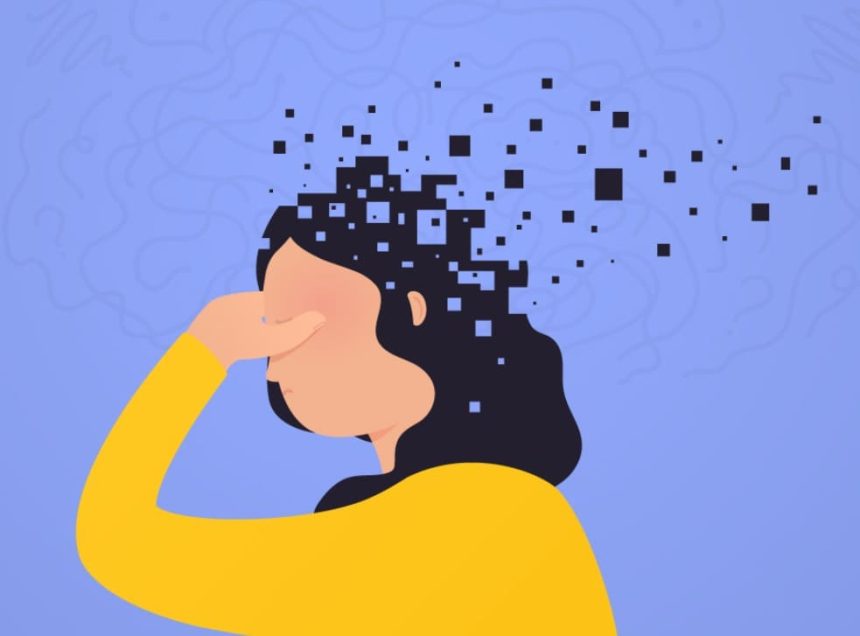
Depression is more than just occasional sadness; it is a serious mental health condition that affects millions worldwide. Understanding depression and coping with it is essential for improving emotional well-being, maintaining relationships, and achieving a balanced life. From recognizing common symptoms such as persistent sadness, fatigue, and loss of interest, to identifying underlying causes like stress, genetics, or lifestyle changes, taking proactive steps is crucial. This guide will explore comprehensive strategies to manage depression, offer practical coping techniques, and provide advice for seeking professional help when needed.
Signs of Depression
Depression manifests in multiple ways, affecting emotional, physical, and behavioral aspects of life. Common signs include:
- Persistent Sadness or Low Mood: Feeling sad, empty, or hopeless for most of the day.
- Loss of Interest: Activities and hobbies that were once enjoyable no longer bring pleasure.
- Changes in Sleep Patterns: Insomnia or excessive sleeping can both indicate depression.
- Fatigue or Low Energy: Everyday tasks may feel exhausting and overwhelming.
- Changes in Appetite: Overeating or loss of appetite can occur.
- Difficulty Concentrating: Trouble focusing on tasks, reading, or decision-making.
- Feelings of Guilt or Worthlessness: Persistent self-blame or low self-esteem.
- Physical Symptoms: Headaches, stomach issues, or unexplained pain without a medical cause.
- Thoughts of Self-Harm: Persistent thoughts of death or self-harm require immediate professional attention.
Recognizing these signs early is crucial to seeking support and preventing escalation.
Causes of Depression
Depression can result from a combination of genetic, environmental, and psychological factors. Common causes include:
- Genetics: Family history of depression increases susceptibility.
- Brain Chemistry: Imbalances in neurotransmitters such as serotonin can influence mood.
- Traumatic Experiences: Abuse, loss of a loved one, or major life events can trigger depression.
- Chronic Stress: Long-term stress from work, relationships, or finances can contribute.
- Medical Conditions: Illnesses, hormonal changes, or chronic pain can increase risk.
- Substance Abuse: Alcohol or drug use may worsen or trigger depressive symptoms.
- Social Isolation: Lack of connection or loneliness can lead to depression.
Seek Professional Help
- A trained therapist, counselor, or psychiatrist can diagnose and treat depression with therapy, medications, or combined approaches.
2. Build a Support System
- Talking to trusted friends or family members reduces isolation and provides emotional support.
3. Join Support Groups
- Sharing experiences with people who understand your struggles helps reduce stigma and loneliness.
4. Engage in Regular Exercise
- Physical activity releases endorphins, reduces stress hormones, and boosts overall mood.
5. Maintain a Healthy Diet
- Nutritious meals, including fruits, vegetables, and omega-3 fatty acids, support brain health and emotional stability.
6. Prioritize Sleep
- Consistent sleep schedules improve energy, concentration, and emotional regulation.
7. Practice Mindfulness and Meditation
- Techniques like meditation, deep breathing, or yoga reduce negative thinking and stress.
8. Journaling
- Writing down thoughts and emotions helps process feelings and track triggers.
9. Set Small, Achievable Goals
- Breaking tasks into manageable steps prevents overwhelm and fosters accomplishment.
10. Limit Alcohol and Stimulants
- Alcohol and caffeine can exacerbate mood swings, anxiety, and sleep problems.
11. Spend Time Outdoors
- Nature exposure improves mood, reduces stress, and boosts vitamin D levels.
12. Practice Gratitude
- Listing things you’re thankful for shifts focus away from negative thoughts.
13. Reduce Social Media Usage
- Limiting comparison and negative online interactions prevents stress and low self-esteem.
14. Engage in Hobbies or Creative Outlets
- Activities like painting, music, or gardening provide a sense of purpose and joy.
15. Connect With Animals or Pets
- Caring for pets can reduce loneliness and increase feelings of love and companionship.
16. Volunteer or Help Others
- Helping others fosters purpose, connection, and self-worth.
17. Practice Positive Self-Talk
- Replace negative thoughts with affirmations or encouraging statements.
18. Create a Routine
- Structured daily schedules improve stability and reduce chaos or aimlessness.
19. Avoid Isolation
- Regular social interaction, even small, helps maintain connection and emotional health.
20. Seek Nature Therapy or Green Spaces
- Forest walks, parks, and green environments improve mental clarity and reduce anxiety.
21. Listen to Uplifting Music
- Music can regulate mood, reduce stress, and stimulate positive emotions.
22. Practice Deep Breathing Exercises
- Helps calm the nervous system and reduce anxiety or panic associated with depression.
23. Break Tasks Into Small Steps
- Tackling even minor tasks provides motivation and prevents feeling overwhelmed.
24. Limit Negative Triggers
- Identify stressful environments, people, or activities that worsen depressive symptoms.
25. Try Cognitive Behavioral Techniques
- Challenge negative thought patterns to shift perspective and reduce depressive thinking.
26. Engage in Light Humor or Entertainment
- Watching uplifting content, comedy shows, or reading can temporarily boost mood.
27. Practice Forgiveness and Letting Go
- Releasing past guilt, resentment, or regrets reduces emotional burden.
28. Keep a Progress Tracker
- Tracking small wins and improvements builds hope and motivation.
29. Practice Self-Compassion
- Treat yourself with the same kindness and understanding you’d offer a friend.
30. Seek Medical Evaluation if Needed
- Physical conditions like thyroid issues, vitamin deficiencies, or hormonal imbalances can contribute to depressive symptoms; addressing them medically is important.
Conclusion
Depression is a serious condition, but with awareness, understanding, and proactive coping strategies, it can be managed effectively. Recognizing the signs, understanding the causes, and implementing daily coping strategies are key steps to improving mental health and quality of life. Professional support, a strong support network, healthy lifestyle choices, and emotional care all contribute to recovery. Remember, seeking help is a sign of strength, and no one has to face depression alone