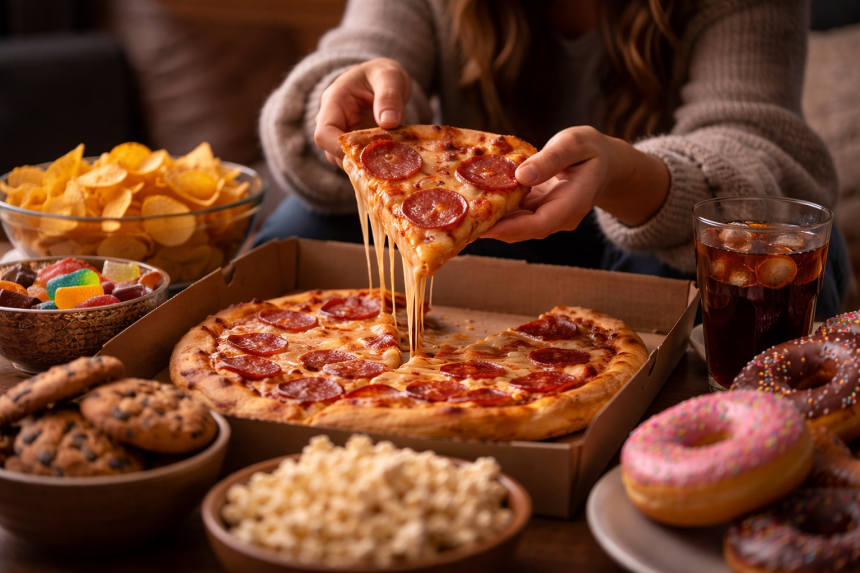
The psychology behind food cravings reveals that our desire for certain foods is rarely about hunger alone. Cravings are deeply connected to the brain, emotions, memories, hormones, and learned behaviors. While we often blame willpower, the truth is that cravings are powerful psychological signals shaped by stress, comfort-seeking, dopamine reward systems, and even childhood experiences. Understanding why cravings happen is the first step toward managing them without guilt or self-judgment.
1. The Brain Seeks Pleasure
The brain craves foods that release dopamine, creating a sense of reward and happiness.
2. Emotional Stress Triggers Comfort Seeking
Stress pushes the mind toward foods that feel soothing and familiar.
3. Childhood Food Associations
Foods tied to love, rewards, or comfort in childhood become emotional anchors later.
4. Restrictive Dieting Increases Desire
Labeling foods as forbidden intensifies psychological attraction to them.
5. Habitual Eating Patterns
Repeated routines train the brain to expect food at certain times.
6. Cravings Mask Emotional Needs
Hunger for food often hides unmet emotional needs like rest or connection.
7. Dopamine Sensitivity Drops
The brain demands stronger stimuli when pleasure receptors become less responsive.
8. Sleep Deprivation Increases Impulses
Lack of sleep weakens self-control and heightens cravings.
9. Stress Hormone Cortisol Rises
Elevated cortisol signals the body to seek quick energy foods.
10. Food Becomes Emotional Regulation
Eating temporarily numbs anxiety, sadness, or boredom.
11. Sensory Triggers Activate Memory
Smell, sight, or sound can instantly revive craving memories.
12. Blood Sugar Fluctuations
Rapid drops in blood sugar create urgency for sugary foods.
13. Mental Fatigue Reduces Discipline
Decision fatigue makes resisting cravings more difficult.
14. Comfort Foods Provide Safety
Warm or familiar foods psychologically signal security.
15. Cravings Reflect Emotional Overload
When overwhelmed, the brain seeks easy relief through food.
16. Social Conditioning Influences Choices
Cultural habits shape which foods feel “desirable.”
17. Food Rewards Are Learned Early
Using food as motivation programs reward-based eating.
18. Anxiety Increases Oral Fixation
Chewing or tasting helps calm nervous energy.
19. Food Offers Immediate Gratification
The brain prefers instant relief over long-term goals.
20. Boredom Mimics Hunger
A lack of stimulation often disguises itself as craving.
21. Emotional Suppression Fuels Cravings
Unexpressed emotions search for an outlet through eating.
22. Hormonal Changes Affect Appetite
Fluctuations increase cravings for sugar and fat.
23. Environmental Availability Matters
Easy access increases desire and impulsive eating.
24. Food Is Linked to Celebration
Cravings arise from associations with happiness and joy.
25. Shame Reinforces Craving Cycles
Guilt increases stress, which fuels emotional eating.
26. Lack of Mindful Eating
Disconnection from hunger cues leads to overeating.
27. Fear of Scarcity
The brain overeats when it senses deprivation.
28. Stress Narrows Decision-Making
Under pressure, the brain chooses comfort over logic.
29. Emotional Loneliness Triggers Cravings
Food becomes a substitute for connection.
30. Habitual Snacking Provides Distraction
Eating distracts from uncomfortable thoughts.
31. Visual Stimulation Activates Desire
Seeing food can trigger cravings even when full.
32. Reward Anticipation Is Powerful
Cravings build from expectation, not hunger.
33. Emotional Attachment to Taste
Certain flavors carry emotional meaning.
34. Self-Control Is a Finite Resource
Willpower weakens throughout the day.
35. Stress Eating Feels Predictable
Food offers reliability during emotional chaos.
36. Identity-Based Eating Habits
People crave foods tied to self-image or comfort roles.
37. Routine Gives False Hunger Signals
The brain expects food at familiar times.
38. Emotional Relief Feels Addictive
Relief reinforces repeated craving behavior.
39. Overthinking Increases Craving Intensity
Focusing on restriction amplifies desire.
40. Lack of Emotional Awareness
Unrecognized feelings often manifest as hunger.
41. Food Provides Sensory Escape
Taste and texture distract from mental stress.
42. Comparison and Social Media Influence
Food visuals stimulate unnecessary cravings.
43. Cravings Reflect Need for Balance
The body seeks equilibrium during stress.
44. Comfort Eating Feels Nurturing
Food replicates care and warmth.
45. Emotional Exhaustion Seeks Relief
The brain chooses easy comfort when tired.
46. Trauma Can Trigger Eating Patterns
Food becomes a coping mechanism for safety.
47. Emotional Restraint Leads to Binge Cycles
Suppression increases rebound eating.
48. Lack of Routine Increases Impulsivity
Unstructured days encourage mindless eating.
49. Reward Without Effort Is Appealing
The brain favors low-effort pleasure.
50. Cravings Are Psychological Signals
They communicate unmet emotional or physical needs.
How to Manage Cravings Psychologically
- Identify emotional triggers
- Eat mindfully, not restrictively
- Reduce stress intentionally
- Create balanced routines
- Respond with curiosity, not judgment
Awareness weakens cravings more than resistance.
Conclusion: Understanding Leads to Freedom
The psychology behind food cravings shows us that cravings are not signs of weakness—they are reflections of how the brain seeks balance, comfort, and reward. When we stop fighting cravings and start understanding them, we regain control. True change begins not with restriction, but with awareness, compassion, and psychological insight.