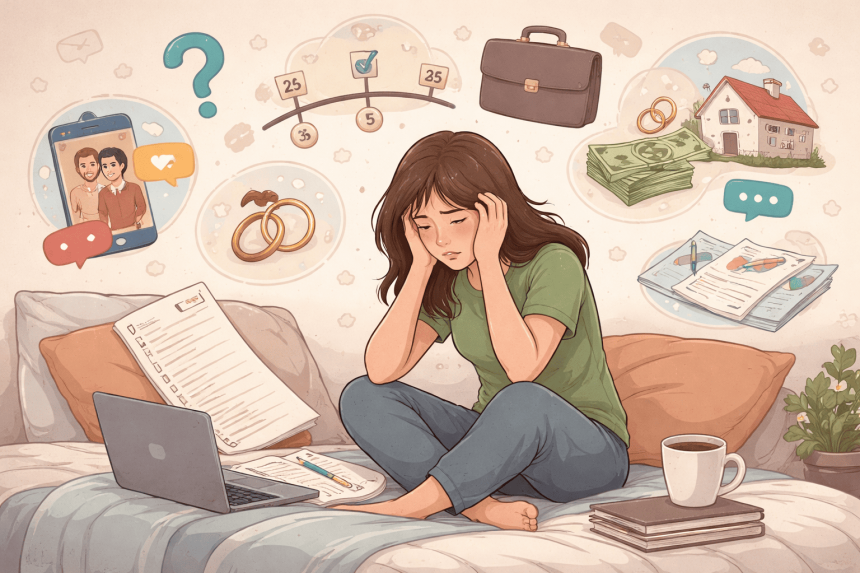
The pressure of having life “figured out” is one of the most common yet invisible burdens many carry. Society, social media, family expectations, and peer comparisons constantly reinforce the idea that by a certain age or stage, you should have a clear career, financial stability, personal relationships, and life direction. When life doesn’t follow that linear blueprint, feelings of inadequacy, fear, and anxiety quietly build. This pressure—though normalized culturally—is rarely discussed openly, yet it profoundly affects mental clarity, emotional resilience, and even physical health. Understanding how this pressure operates allows us to identify the ways it drains energy, limits growth, and creates unnecessary stress, helping us shift toward self-acceptance and realistic life planning.
The Pressure of Having Life “Figured Out”
1. Chronic Anxiety
Feeling the need to have life fully planned creates constant worry. The mind becomes preoccupied with “what ifs,” future outcomes, and potential failures, which triggers the body’s stress response continuously. This heightened alertness can interfere with sleep, decision-making, and emotional balance.
2. Fear of Falling Behind
Comparing yourself to peers or societal standards creates fear that you’re “behind.” This fear may prevent you from taking risks, trying new paths, or pursuing passions, trapping you in a cycle of stagnation.
3. Low Self-Esteem
Seeing others succeed while you feel uncertain erodes self-worth. Even minor setbacks are internalized as proof of inadequacy, which reinforces negative self-talk and self-doubt.
4. Perfectionism
The pressure of having everything figured out often fuels perfectionist tendencies. You set unrealistic standards for yourself, fearing that any mistake indicates failure, which increases stress and reduces experimentation.
5. Overworking and Burnout
Trying to “catch up” or live up to expectations often results in overwork. Long hours without recovery exhaust the body, impair cognitive function, and weaken emotional resilience.
6. Decision Paralysis
The weight of feeling you must make the “perfect” choice slows decision-making. Fear of mistakes leads to procrastination and missed opportunities, further fueling anxiety.
7. Social Comparison Trap
Social media amplifies the pressure, showing only highlight reels of success. This creates a distorted sense of others’ accomplishments, intensifying feelings of inadequacy.
8. Impaired Relationships
The internal focus on life goals can limit emotional presence with family and friends. You may become distant, distracted, or overly critical, which affects social bonds.
9. Impatience with Growth
Constantly measuring yourself against a supposed timeline creates frustration. You may undervalue small wins or steady progress, leading to perpetual dissatisfaction.
10. Avoiding Risk
Fear of failure stops you from exploring opportunities. Avoiding risk limits career growth, personal development, and experiences that could expand your capabilities.
11. Mental Exhaustion
Worrying about future plans constantly taxes mental energy. This reduces concentration, creativity, and problem-solving abilities, making everyday tasks feel overwhelming.
12. Emotional Burnout
The emotional toll of striving for an “ideal life” leaves little energy for self-care, hobbies, or leisure, reducing overall happiness.
13. Suppressed Identity
Trying to conform to societal timelines may lead to ignoring authentic interests or passions. Over time, this suppresses your true self and reduces life satisfaction.
14. Physical Health Decline
Chronic stress from pressure impacts heart rate, blood pressure, digestion, and sleep. Ignoring rest and nutrition worsens these physical effects.
15. Fear of Judgment
The pressure of life goals increases sensitivity to others’ opinions. You may avoid expressing yourself fully to prevent perceived criticism.
16. Difficulty Enjoying the Present
Constantly planning for the future distracts from living in the moment. Life becomes about “getting to” goals rather than appreciating experiences.
17. Impaired Creativity
A rigid focus on success can stifle creative thinking. Fear of “wasting time” on experimentation prevents exploration of new ideas.
18. Chronic Self-Criticism
When life feels unfinished, self-criticism intensifies. Negative internal dialogue erodes confidence and reinforces feelings of inadequacy.
19. Reduced Resilience
The belief that you must have everything figured out makes setbacks feel catastrophic. You recover slower from failures, as each deviation feels like a threat.
20. Decision Fatigue
The constant pressure to choose the right path overwhelms the mind. Everyday decisions become exhausting, increasing stress and lowering overall energy.
21. Avoidance of Learning
Fear of failure may prevent trying new skills. You stick to safe routines, which limits growth and innovation in both career and personal life.
22. Impulsive Choices Under Pressure
Some respond to pressure by making rushed decisions to appear “on track.” These decisions often lack thoughtful consideration and can have long-term consequences.
23. Isolation from Peers
Feeling behind or different may lead to withdrawing socially. Isolation reduces support systems, reinforcing the pressure and anxiety cycle.
24. Overemphasis on Productivity
The mindset of needing life figured out encourages constant productivity. Leisure, creativity, and rest are deprioritized, leading to exhaustion.
25. Neglecting Personal Growth
Focusing only on milestones like career, finances, or relationships can neglect inner development, emotional intelligence, or self-reflection.
26. Fear of Exploring Passions
Pursuing unconventional paths feels risky. Fear of judgment or “wasting time” prevents exploration of fulfilling personal interests.
27. Financial Stress
Believing life must follow a fixed timeline often leads to financial pressure. Comparing incomes or possessions creates anxiety and unhealthy spending habits.
28. Poor Work-Life Balance
Trying to meet all expectations leaves little room for downtime. Balance is sacrificed, increasing stress and reducing life satisfaction.
29. Anxiety About Aging
Time-related pressure makes aging feel like failure. Every passing year can amplify fear of not accomplishing enough.
30. Difficulty Celebrating Achievements
Small accomplishments feel insufficient because they don’t match societal timelines. You undervalue progress and focus only on remaining goals.
31. Burnout From Overplanning
Overanalyzing every step in life can be mentally draining. The pressure to plan perfectly leads to fatigue without tangible results.
32. Reduced Adaptability
Rigid expectations limit flexibility. Life rarely goes as planned, and pressure makes it harder to pivot or adjust when circumstances change.
33. Health Anxiety
The stress of needing control can spill into concerns about health, causing obsessive monitoring, sleep disturbances, or unnecessary worry.
34. Increased Irritability
Chronic internal pressure raises stress hormones, increasing irritability and impatience with yourself and others.
35. Self-Doubt in Every Decision
Even minor choices—what to eat, which route to take, career steps—become stressful. Continuous self-doubt diminishes confidence and clarity.
36. Difficulty Asking for Help
Pressure to “have it together” makes seeking guidance feel like weakness. This isolates you and prolongs challenges unnecessarily.
37. Emotional Numbness
The constant stress can desensitize emotions. You may feel disconnected from joy, sadness, or excitement, affecting relationships and life satisfaction.
38. Overemphasis on Others’ Approval
Pressure makes you overly sensitive to judgment. Decisions become influenced more by others’ expectations than your own desires.
39. Reduced Risk-Taking
Fear of making mistakes prevents growth. You avoid opportunities that might be rewarding but feel “unsafe” under societal pressures.
40. Comparing Progress to Life Milestones
Believing life must follow a strict timeline encourages constant comparison. This steals satisfaction from personal achievements and creates stress.
41. Avoidance of Failure
Pressure instills fear of failing. Avoiding challenges limits skill development, growth, and opportunities for meaningful experiences.
42. Difficulty Enjoying Spontaneity
Spontaneous decisions feel risky under pressure. You may miss joyful or transformative experiences because you’re overly focused on planning.
43. Chronic Mental Fatigue
Constantly thinking about the “right life” uses cognitive resources. Mental exhaustion reduces productivity, creativity, and problem-solving skills.
44. Physical Tension
Stress from pressure manifests in the body—tight muscles, headaches, digestive issues, and fatigue are common.
45. Emotional Vulnerability Suppression
Pressure encourages hiding doubts or fears. Suppressing emotions reduces emotional intelligence and prevents authentic connections.
46. Perceived Time Scarcity
Feeling behind creates constant urgency. This perception of limited time increases stress and reduces mindfulness in daily activities.
47. Difficulty Prioritizing
With so many expectations, it’s hard to decide what matters most. Overloaded priorities create anxiety and slow decision-making.
48. Impaired Creativity
Focusing on “life milestones” often suppresses playful or creative thinking. Innovation and problem-solving are affected.
49. Persistent Comparison With Others
Regularly measuring yourself against peers magnifies feelings of inadequacy, even when personal progress is significant.
50. Long-Term Life Dissatisfaction
Pressure to have life “figured out” shifts focus away from meaningful experiences. Over time, this reduces life satisfaction and personal fulfillment.
Conclusion
The pressure of having life “figured out” is subtle but pervasive, affecting mental, emotional, social, and physical health. Accepting uncertainty, embracing personal timelines, and practicing self-compassion are crucial to reducing stress and improving well-being. Life is inherently unpredictable, and understanding that allows growth, joy, and authenticity to flourish instead of being overshadowed by unrealistic expectations.