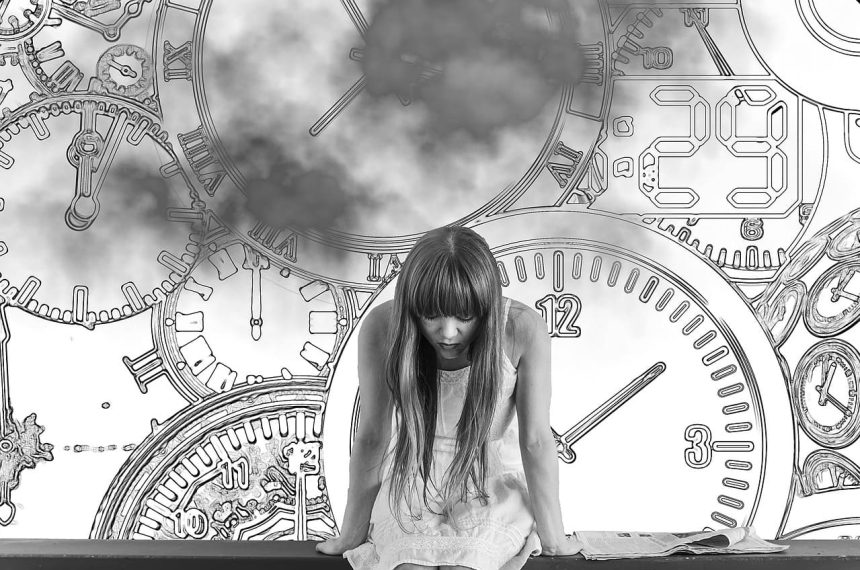
Every choice we make today, is past experiences shape present choices from the smallest daily decision to major life milestones, is influenced by the past. Our experiences—whether joyful, painful, or challenging—leave lasting imprints on our brain, shaping habits, behaviors, and even emotional responses. Often, we aren’t consciously aware of how deeply these experiences affect our decisions.
Understanding the past experiences shape present choices connection is essential for self-awareness, personal growth, and breaking unhelpful patterns. By reflecting on our history, we can learn why we act a certain way, why certain situations trigger emotional reactions, and how to make choices that align with our goals rather than our fears.
How Past Experiences Influence Our Decisions
1. Emotional Conditioning
Every experience carries an emotional signature. Positive experiences, like praise or success, encourage behaviors that replicate those outcomes. Negative experiences, like criticism, trauma, or failure, teach caution, fear, or avoidance. This emotional conditioning can subtly guide decisions even decades later. For example, a child who was reprimanded for speaking up in class may avoid sharing opinions in professional settings as an adult.
2. Formation of Beliefs
Our past experiences shape our core beliefs about ourselves and the world. If someone was repeatedly told they weren’t capable, they might carry self-doubt into adulthood. Conversely, consistent support and encouragement create confidence and resilience. These beliefs influence decisions from career choices to interpersonal relationships, often without conscious awareness.
3. Learned Behavioral Patterns
We often mimic behaviors observed in influential figures during formative years—parents, teachers, peers, or role models. These patterns can affect how we handle conflict, respond to stress, or pursue opportunities. For instance, someone who grew up in a household that avoided confrontation may struggle to assert themselves, affecting professional and personal choices.
4. Trauma and Avoidance
Negative or traumatic experiences can cause avoidance behaviors. If a past event caused emotional or physical pain, we may unconsciously steer clear of similar situations to protect ourselves. While this is a natural defense mechanism, it can limit growth. Examples include avoiding romantic relationships after heartbreak or avoiding leadership opportunities after prior failure.
5. Reinforcement Through Repetition
The brain strengthens behaviors that are repeated, a process called neuroplasticity. Positive outcomes reinforce repetition, while negative outcomes can discourage it. Over time, this shapes habits, routines, and preferences, making past experiences a powerful determinant of present choices.
Psychological Mechanisms Behind Influence
Understanding the psychology of how past experiences shape decisions helps explain human behavior:
- Cognitive Biases: Past experiences influence perception and judgment, creating biases like confirmation bias (favoring information that matches prior experiences) or availability bias (decisions based on vivid memories).
- Fear of Repetition: We naturally avoid repeating painful experiences, which can lead to missed opportunities or overly cautious choices.
- Comfort Zones: Familiar behaviors shaped by past experiences feel safe. Stepping outside these comfort zones requires conscious effort and courage.
- Emotional Triggers: Certain experiences trigger automatic emotional responses. A single reminder of past failure can influence current decisions, even subconsciously.
- Self-Perception: Past successes and failures shape our self-image, confidence, and self-worth, which directly impact our choices in life.
Real-Life Examples
- Childhood Criticism: A student criticized for public speaking may avoid leadership roles, even if capable.
- Relationship Patterns: Individuals who experienced neglect in early relationships may struggle to trust or form healthy attachments.
- Career Decisions: Early experiences of failure or success in academics or work influence risk-taking and ambition later in life.
- Financial Choices: Exposure to scarcity or abundance in childhood can shape spending, saving, and investing behaviors.
- Social Interactions: People who were socially rejected may be more introverted or cautious in forming new friendships or romantic relationships.
Multiple Reasons Why Past Experiences Control Present Choices
- Emotional Memory: The brain stores emotional experiences deeply, which influences how we respond to similar situations.
- Neuroplasticity: Repeated behaviors reinforce neural pathways, making past experiences dictate habitual responses.
- Risk Assessment: Past failures or successes shape how we evaluate risks and rewards today.
- Identity Formation: Experiences shape our sense of self, guiding choices that feel congruent with who we are.
- Learned Coping Mechanisms: How we’ve handled stress or adversity in the past informs how we manage challenges now.
- Cultural Conditioning: Traditions and social norms experienced during upbringing subtly guide decisions.
- Fear vs. Motivation: Past negative experiences may create fear-driven choices, while past rewards can motivate bold actions.
- Pattern Recognition: Our brains rely on patterns learned from past experiences to predict outcomes and make decisions efficiently.
- Emotional Triggers in Daily Life: Certain stimuli instantly recall past events, steering choices unconsciously.
- Reinforcement of Habits: Actions that led to success or pleasure are more likely to be repeated, even if circumstances change.
How to Break Limiting Patterns
Recognizing the influence of past experiences allows us to consciously shape our present and future:
- Reflect on Past Events: Journaling or therapy helps identify patterns and their origins.
- Identify Emotional Triggers: Understanding what situations provoke fear or hesitation allows proactive management.
- Challenge Negative Beliefs: Replace limiting thoughts with empowering perspectives grounded in reality.
- Create New Experiences: Positive, intentional experiences can reshape neural pathways.
- Practice Mindfulness: Being present prevents automatic, past-driven reactions and encourages conscious decision-making.
- Seek Guidance: Mentors, coaches, or supportive peers can provide new perspectives that counteract past conditioning.
Conclusion
The choices we make today are rarely isolated from our past. Every success, failure, praise, or criticism leaves a mark that subtly guides behavior. Understanding the past experiences present choices connection empowers us to reflect, break unhealthy patterns, and make intentional, conscious decisions.
While our past informs us, it doesn’t define us. Through self-awareness, mindfulness, and deliberate action, we can use the lessons of history to guide our choices wisely, fostering growth, resilience, and fulfillment. By recognizing and addressing the ways past experiences shape our present, we reclaim the power to live intentionally, making choices aligned with our true goals and values.