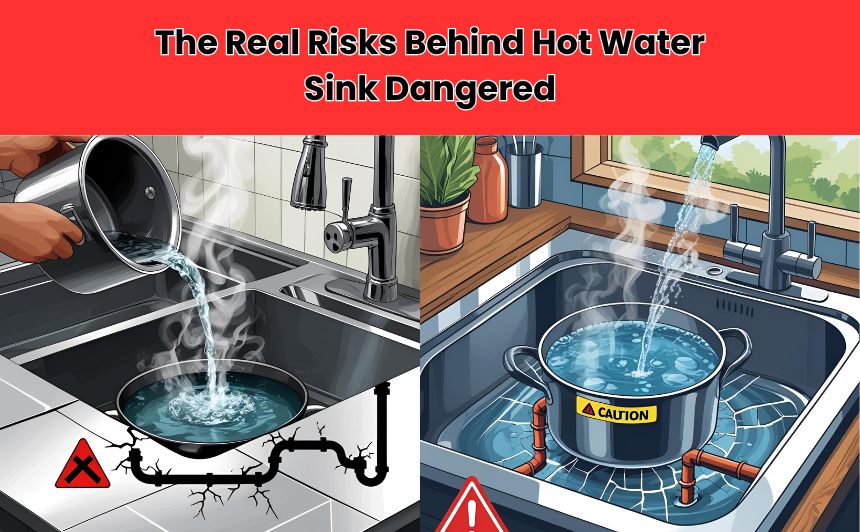
1. Damage to PVC Pipes
Most modern homes use PVC (polyvinyl chloride) pipes, which are plastic-based. Boiling water can soften or warp PVC, causing joints to loosen or crack over time. Repeated exposure can lead to expensive plumbing repairs or even complete pipe replacement.
2. Sealant Erosion at Pipe Joints
Plumbing systems are sealed with glues and compounds to prevent leaks. Boiling water breaks down these seals, increasing the risk of slow leaks and water damage that may go unnoticed for weeks or months.
3. Metal Pipe Expansion and Stress
If your home has metal pipes (like copper or galvanized steel), the sudden temperature change from hot water can cause thermal expansion, putting stress on pipe joints and increasing the risk of cracks or bursts, especially in older systems.
4. Grease Hardens Downstream
Many people pour hot water to melt grease or food residue, thinking it will flush away. But grease re-solidifies further down the pipes as the water cools, leading to serious clogs and pipe blockages later. This creates a hidden hot water sink danger for your plumbing system.
5. Sink Basin and Countertop Damage
Extremely hot water may also damage ceramic sinks or undermount adhesive used to hold sinks in place, especially when combined with chemical cleaners. You may eventually notice loosening, discoloration, or hairline cracks.
🔥 What About Boiling Water and Baking Soda?
While it’s common to mix baking soda and boiling water for drain cleaning, this method should be used with caution. If your pipes are plastic or older, it’s better to use warm water instead of boiling. A safer alternative is to use enzyme-based drain cleaners that gently break down organic material without heat damage.
✅ Safer Alternatives to Pouring Hot Water
If you’re dealing with clogs or drain smells, try these instead:
- Use Enzyme Cleaners – Gentle on pipes and eco-friendly.
- Flush with Warm Water and Vinegar – Effective for odor and buildup.
- Install a Drain Strainer – Prevents food and hair from entering the drain.
- Use a Plunger or Drain Snake – Mechanical tools are pipe-safe.
- Professional Drain Cleaning – Ideal for stubborn or recurring clogs.
⚠️ Hidden Cost of Ignoring This Advice
While one time may not ruin your plumbing, repeated exposure to boiling water increases wear and tear. Plumbing repairs can cost hundreds—or thousands—if pipes burst or if water leaks into walls or cabinets.
Taking care of your plumbing starts with recognizing the hot water sink danger and adopting healthier habits for your kitchen and bathroom maintenance.
🏠 Other Everyday Habits That Harm Your Sink
- Pouring cooking oil or grease down the drain
- Using harsh chemical drain cleaners regularly
- Ignoring slow drains or gurgling sounds
- Rinsing food scraps or coffee grounds without strainers
- Letting soap scum build up over time
All of these, including boiling water misuse, shorten your sink’s lifespan.
💡 Final Thoughts
Boiling water might seem like a simple cleaning solution, but it can quietly destroy your plumbing from the inside out. The hot water sink danger is very real, especially in homes with modern plastic pipes or older metal ones vulnerable to stress. By using safer alternatives and being mindful of what goes down your sink, you’ll protect your home, your wallet, and the longevity of your entire drainage system.
So next time you’re tempted to dump that pot of boiling water down the drain, pause and choose a better method.