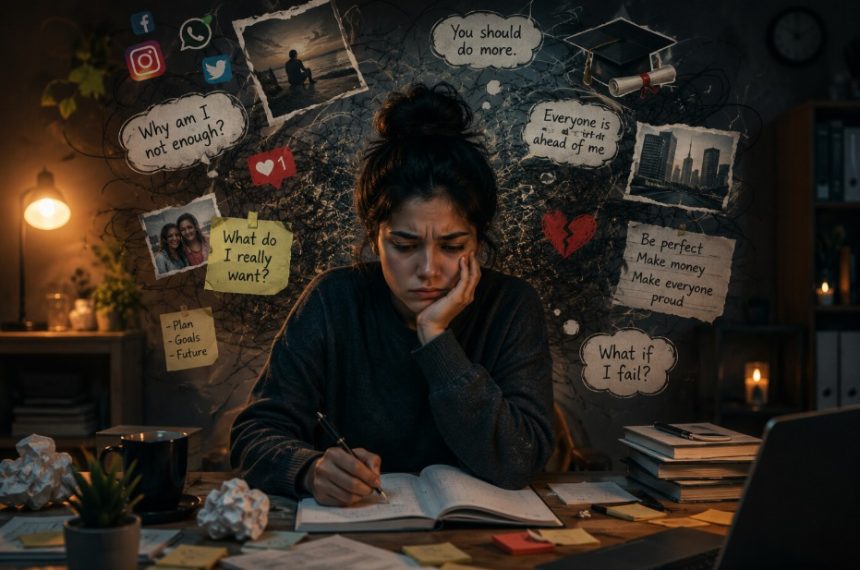
There comes a point in life when everything starts to feel unclear. You wake up tired, move through your routine without excitement, and wonder why nothing feels meaningful anymore. You may smile around others while silently questioning your direction, your purpose, and even yourself. If you constantly feel lost in life, you are not alone. Millions of people experience this emotional confusion at different stages of life, yet very few openly talk about it.
1. You Built Your Life Around Other People’s Expectations
One of the main reasons people feel lost in life is because they spend years trying to become who others expect them to be. Society constantly pressures people to choose certain careers, relationships, and lifestyles that look successful from the outside. Slowly, many individuals stop asking themselves what truly makes them happy and begin living for approval instead. They hide their real feelings, ignore their passions, and sacrifice authenticity just to fit in. Over time, this creates emotional emptiness because your life no longer reflects who you genuinely are inside. Deep down, your mind knows when you are pretending. The more disconnected you become from your true self, the more emotionally lost you begin to feel. Real peace starts when you stop living for validation and start living honestly for yourself.
2. You Compare Your Journey With Everyone Else
Comparison quietly destroys emotional peace. Social media constantly shows people appearing successful, happy, attractive, and confident, making it easy to feel like everyone else has life figured out except you. Over time, you begin believing you are behind in life. But comparison is dangerous because people usually show only their best moments online while hiding their struggles, failures, and insecurities. When you compare your real life to someone else’s highlights, your own progress starts feeling meaningless. This creates emotional confusion and self-doubt. The truth is that everyone grows differently. Some people discover purpose early, while others take longer to find themselves. Your journey does not need to look like anyone else’s to have meaning. The moment you stop comparing yourself to others, you begin reconnecting with your own path.
3. You Ignore Your Emotional Pain for Too Long
Many people feel lost because they spend years suppressing emotions instead of healing them. Instead of processing heartbreak, sadness, stress, or disappointment, they distract themselves with work, social media, or endless responsibilities. Society often teaches people to stay strong rather than emotionally honest. But ignored emotions never truly disappear. They slowly build inside until emotional exhaustion, numbness, and overthinking take over daily life. You may stop enjoying things you once loved or feel disconnected from yourself completely. Feeling lost is often your mind asking for emotional attention after being ignored for too long. Healing begins when you finally allow yourself to acknowledge and process your emotions instead of constantly running from them.
4. You Mistake Productivity for Purpose
Modern life constantly pushes people to stay busy. Work harder, earn more, and keep achieving. Many people believe success alone will eventually make them happy, so they spend years chasing goals while ignoring emotional fulfillment. But productivity and purpose are not the same thing. You can have a full schedule and still feel empty inside. Many successful people secretly feel lost because their lives are filled with routines but lack emotional meaning. Humans need more than responsibilities and survival. They need connection, peace, passion, and fulfillment. Sometimes the real problem is not lack of achievement but lack of purpose. True happiness comes when your life emotionally fulfills you, not just when it looks successful to others.
5. You Have Outgrown the Old Version of Yourself
Sometimes feeling lost is actually a sign of growth. As people change emotionally and mentally, old habits, friendships, goals, and lifestyles may stop feeling right anymore. The things that once made sense suddenly feel empty. This stage can feel confusing because your old identity no longer fits, but your new identity has not fully formed yet. Many people panic during this transition because uncertainty feels uncomfortable. However, growth naturally requires change. You are not supposed to remain the same forever. Experiences, pain, healing, and maturity slowly transform people over time. Feeling lost during this phase does not mean something is wrong with you. It often means you are evolving into a stronger and more self-aware version of yourself.
6. You Live on Autopilot Every Day
Life can easily become repetitive and emotionally disconnected. Wake up, work, scroll through your phone, sleep, and repeat. Over time, people stop truly experiencing life because everything becomes routine. Days start blending together, and life begins feeling emotionally dull even when nothing is technically wrong. Modern distractions make this worse because people rarely spend quiet time reflecting on their thoughts and emotions anymore. Instead, they constantly consume noise and entertainment. This slowly disconnects people from themselves. Sometimes you do not need a completely different life to feel happier. You simply need to become more emotionally present in the life you already have. Small moments of mindfulness and self-awareness can slowly bring clarity back into your life.
7. You Depend Too Much on Other People’s Validation
Many people build their self-worth around how others treat them. They feel confident only when they are praised, loved, appreciated, or accepted. But depending entirely on external validation creates emotional instability because other people’s opinions constantly change. If someone ignores you, criticizes you, or fails to appreciate you, your confidence immediately suffers. Over time, this creates deep insecurity and emotional confusion. Real confidence develops when you stop relying completely on outside approval to feel valuable. Your worth does not disappear simply because someone else fails to recognize it. The more you learn to validate yourself internally, the less emotionally lost you begin to feel.
8. You Are Afraid of Making the Wrong Decisions
Fear keeps many people emotionally stuck. Some people know deep inside that they need change, but they avoid taking action because uncertainty feels terrifying. They stay in unhealthy relationships, careers, or situations simply because they fear failure or regret. Overthinking every possibility slowly destroys self-trust. But clarity rarely comes before action. Most people discover themselves through experiences, mistakes, and personal growth. Waiting for perfect certainty often leads to deeper confusion. Every decision teaches something valuable about yourself and life. Growth requires courage, even when fear is present. Sometimes the only way to stop feeling lost is to move forward despite not having every answer.
9. You Lost Connection With Your Authentic Self
As children, people are naturally curious, creative, emotional, and expressive. But adulthood slowly teaches people to suppress parts of themselves to fit societal expectations. Over time, many individuals disconnect from their passions, dreams, creativity, and emotional honesty. Life becomes focused only on responsibilities and appearances. This creates deep emotional emptiness because your authentic self still exists beneath everything you pretend to be. Feeling lost often happens when you become too disconnected from who you truly are. Reconnecting with yourself requires honesty, reflection, and understanding what genuinely fulfills you emotionally. Sometimes the person you are searching for is simply the real version of yourself you ignored for too long.
10. You Believe Feeling Lost Means You Failed
One of the biggest misconceptions people have is believing that feeling lost means they are failing at life. Society creates pressure to always appear confident, successful, and certain about the future. Because of this, confusion often feels shameful. But the truth is that many emotionally intelligent people experience periods of uncertainty because they think deeply about life, identity, and purpose. Feeling lost is often part of growth. Sometimes life forces you to question old habits, beliefs, and directions so you can become a stronger version of yourself. You are not broken because you feel confused. You are human. Many people who eventually find deep purpose first go through moments where everything feels uncertain. Sometimes losing your old self is the first step toward truly finding yourself again.
11. You Keep Ignoring Your Mental Exhaustion
Many people feel lost simply because they are mentally exhausted for too long. Constant stress, pressure, responsibilities, and emotional struggles slowly drain the mind without people even realizing it. They continue functioning every day while silently feeling tired inside. Over time, mental exhaustion affects motivation, focus, emotional stability, and even the ability to enjoy life. Simple tasks begin feeling overwhelming, and happiness starts feeling distant. Instead of resting or healing, many people force themselves to keep going, believing they just need to “work harder.” But burnout cannot be solved through more pressure. Sometimes feeling lost is your mind’s way of telling you that you need rest, peace, and emotional recovery.
12. You Depend Too Much on One Thing for Happiness
Some people place all their happiness into one person, one relationship, one career, or one goal. They believe that if that single thing works out perfectly, their entire life will finally feel complete. But when life changes or disappointments happen, everything emotionally collapses. Depending too heavily on one source of happiness creates emotional instability because life is unpredictable. Relationships change, careers shift, and circumstances evolve. Real emotional balance comes from building a life filled with multiple sources of fulfillment such as self-growth, friendships, passions, peace, and personal purpose. When your happiness depends entirely on one thing, feeling lost becomes much more painful when that thing disappears.
13. You Constantly Doubt Yourself
Self-doubt slowly destroys confidence and emotional clarity. Many people feel lost because they no longer trust their own abilities, decisions, or worth. They constantly question themselves, compare themselves to others, and focus more on weaknesses than strengths. Over time, this creates fear and insecurity in almost every area of life. Even opportunities begin feeling intimidating because they believe they are not good enough. The more people doubt themselves, the more disconnected they become from their potential. Confidence does not mean never feeling fear. It means believing in yourself enough to move forward despite uncertainty. Rebuilding self-trust is one of the most important steps toward finding yourself again.
14. You Stay in Places That No Longer Make You Happy
Sometimes people feel lost because they remain emotionally attached to situations that no longer bring peace or growth. This could be unhealthy relationships, toxic friendships, draining environments, or careers that make them miserable. Deep down, they know something feels wrong, but fear of change keeps them stuck. Over time, staying in emotionally unhealthy situations slowly damages mental well-being and self-worth. People begin feeling trapped in lives that no longer reflect who they truly are. Letting go can feel painful, but holding onto things that continuously hurt you creates even deeper emotional exhaustion. Sometimes finding yourself requires leaving behind what no longer supports your growth.
15. You Lost Sight of Your Personal Goals
As life becomes busy with responsibilities and daily struggles, many people slowly lose connection with their personal dreams and goals. Survival starts replacing ambition. They stop thinking about what excites them emotionally and begin focusing only on getting through each day. Over time, this creates emptiness because humans naturally need purpose and direction. Without personal goals, life can start feeling repetitive and meaningless. Reconnecting with your goals does not always mean chasing huge achievements. Sometimes it simply means rediscovering what genuinely motivates and inspires you again. Purpose gives people emotional energy and hope for the future.
16. You Spend Too Much Time Seeking Perfection
Perfectionism creates emotional pressure that eventually becomes exhausting. Many people feel lost because they constantly believe they need to be perfect before they can feel successful, loved, or confident. They overanalyze mistakes, fear failure, and put unrealistic expectations on themselves. Over time, this mindset creates anxiety and self-criticism. Nothing ever feels good enough because perfection is impossible to fully achieve. Instead of enjoying progress, perfectionists focus only on flaws. This prevents emotional peace and self-acceptance. Real growth happens when you allow yourself to be imperfect while still continuing to move forward in life.
17. You Ignore Your Need for Emotional Connection
Humans naturally need emotional connection, understanding, and support. When people feel emotionally isolated for too long, they often begin feeling disconnected from life itself. Some individuals surround themselves with people yet still feel lonely because they lack genuine emotional intimacy. Others avoid vulnerability because they fear rejection or disappointment. Over time, emotional loneliness creates emptiness and sadness. Meaningful relationships play a huge role in emotional well-being. Having people who genuinely listen, support, and understand you can bring comfort during difficult phases of life. Feeling lost sometimes comes from feeling emotionally alone for too long.
18. You Focus Too Much on What Is Missing
Many people become emotionally stuck because they constantly focus on what they do not have instead of appreciating what already exists in their lives. They think happiness will only arrive after achieving more success, money, love, or recognition. This mindset creates endless dissatisfaction because there will always be something more to chase. Over time, people stop appreciating their own progress, strengths, and blessings. Gratitude does not mean ignoring problems, but it helps create emotional balance. When you constantly focus only on what is missing, life begins feeling incomplete no matter how much you achieve.
19. You Fear Starting Over
Starting over can feel terrifying, which is why many people stay emotionally stuck in situations that no longer make them happy. They fear losing stability, comfort, or familiarity, even when those things are emotionally draining them. Whether it is leaving a relationship, changing careers, or rebuilding life after failure, starting over often feels uncertain. But sometimes new beginnings are necessary for growth. Staying trapped in situations that damage your peace slowly creates emotional emptiness. Starting over may feel uncomfortable, but it can also create opportunities for healing, growth, and self-discovery that were impossible before.
20. You Forgot to Be Kind to Yourself
Many people speak to themselves more harshly than they would ever speak to someone they love. They constantly criticize themselves for mistakes, failures, confusion, or emotional struggles. Over time, this negative inner voice damages self-worth and emotional peace. Feeling lost becomes even heavier when you continuously blame yourself for not having life perfectly figured out. Self-compassion is important during difficult phases of life. You are allowed to struggle, feel confused, and take time to heal. Personal growth becomes much easier when you stop treating yourself like an enemy and start treating yourself with patience, understanding, and kindness.
21. You Keep Searching for Happiness in Temporary Things
Many people feel lost because they constantly chase temporary happiness instead of lasting fulfillment. They believe a new relationship, more money, social attention, or material success will finally make them feel complete. For a short time, these things may create excitement, but eventually the emptiness returns. Temporary pleasures cannot permanently heal emotional disconnection. Real fulfillment comes from inner peace, self-awareness, meaningful relationships, and living authentically. When people depend entirely on external things for happiness, they often feel emotionally empty once the excitement fades. True contentment begins when you stop searching for meaning outside yourself and start building emotional stability within.
22. You Overthink Everything Constantly
Overthinking can make people feel emotionally trapped and mentally exhausted. Many individuals spend so much time analyzing every situation, decision, conversation, or future possibility that they stop fully living in the present moment. They constantly worry about making mistakes, disappointing others, or choosing the wrong path. Over time, this creates anxiety, confusion, and emotional exhaustion. The mind becomes crowded with endless thoughts, making clarity feel impossible. While thinking carefully is important, constant overthinking often creates fear instead of solutions. Sometimes life becomes clearer when you stop trying to control every outcome and simply allow yourself to move forward one step at a time.
23. You Are Emotionally Drained From Giving Too Much
Some people feel lost because they spend most of their energy taking care of everyone else while completely neglecting themselves. They constantly support others emotionally, solve problems, make sacrifices, and try to keep everyone happy. Over time, this becomes emotionally exhausting. When you continuously give without receiving enough care or rest in return, emotional burnout slowly appears. You begin feeling empty, tired, and disconnected from yourself because all your energy has been invested into others. Helping people is beautiful, but constantly ignoring your own emotional needs eventually damages your inner peace. You cannot pour endlessly into others while leaving yourself emotionally empty.
24. You Fear Being Alone With Yourself
Many people stay constantly distracted because silence forces self-reflection. They surround themselves with noise, social media, relationships, or endless activity because being alone with their thoughts feels uncomfortable. But avoiding solitude also prevents self-discovery. When you never spend time understanding your emotions, fears, dreams, or thoughts, you slowly lose connection with yourself. Healthy solitude is important because it allows emotional clarity to grow. Spending time alone does not mean loneliness. It means giving yourself space to reflect, heal, and reconnect with your inner self without outside distractions constantly controlling your attention.
25. You Hold Onto the Past Too Tightly
Sometimes people feel lost because they are emotionally stuck in the past. They replay old mistakes, heartbreaks, regrets, failures, or memories repeatedly in their minds. Instead of fully living in the present, they remain emotionally attached to what already ended. Holding onto the past prevents emotional growth because your energy stays focused on things you can no longer change. Painful experiences can teach valuable lessons, but constantly reliving them keeps emotional wounds open. Healing begins when you accept that the past cannot be rewritten. Life only starts moving forward when you allow yourself to release what no longer belongs in your present life.
26. You Ignore What Truly Makes You Happy
Many people lose themselves because they stop prioritizing the things that genuinely bring them joy. Responsibilities, pressure, and daily routines slowly replace hobbies, passions, creativity, and personal interests. Over time, life becomes focused entirely on survival instead of fulfillment. People forget what once made them feel alive emotionally. This creates emptiness because humans naturally need joy, excitement, and self-expression. Reconnecting with activities you truly love can slowly restore emotional clarity and happiness. Sometimes finding yourself again starts with rediscovering the small things that once made your heart feel alive.
27. You Surround Yourself With the Wrong People
The people around you strongly influence your emotional state and self-worth. If you constantly spend time around negative, toxic, judgmental, or emotionally draining individuals, you slowly begin losing confidence and emotional peace. Some relationships make people feel unseen, unappreciated, or emotionally exhausted. Over time, this creates self-doubt and confusion about your own value. Healthy relationships should bring support, honesty, growth, and emotional safety. When you continuously stay around people who drain your energy or make you question your worth, feeling lost becomes almost unavoidable. Protecting your emotional environment is important for your mental well-being.
28. You Keep Ignoring the Need for Change
Deep down, many people already know certain parts of their life are no longer working. They know they need change, healing, growth, or a different direction, but fear keeps them stuck in familiar routines. Even unhealthy situations can feel comfortable simply because they are familiar. However, ignoring the need for change only increases emotional frustration over time. Your mind and emotions naturally resist staying trapped in situations that no longer align with your growth. Feeling lost is sometimes a sign that your life is asking you to evolve. Change may feel uncomfortable at first, but remaining emotionally stuck often hurts even more.
29. You Expect Yourself to Have Everything Figured Out
Many people feel pressured to have clear answers about their future, career, relationships, and purpose all the time. Society creates unrealistic expectations that adults should always know exactly what they are doing. Because of this, uncertainty feels like failure. But the truth is that life is constantly changing, and nobody fully has everything figured out. Even confident and successful people experience confusion, fear, and uncertainty. Growth often happens through exploring, learning, and making mistakes along the way. You do not need perfect answers to move forward in life. Sometimes clarity develops gradually through experience and self-discovery.
30. You Forgot That Healing and Growth Take Time
One of the biggest reasons people feel hopeless is because they expect healing and self-discovery to happen quickly. They become frustrated when they still feel confused, emotional, or lost after trying to improve themselves. But emotional growth is not an overnight process. Healing happens slowly through reflection, patience, mistakes, lessons, and time. Some days you will feel strong, while other days you may feel emotionally exhausted again. That does not mean you are failing. Personal growth is rarely linear. Becoming emotionally stronger requires patience with yourself during difficult moments. Sometimes the most important thing you can do is continue moving forward even when progress feels slow.