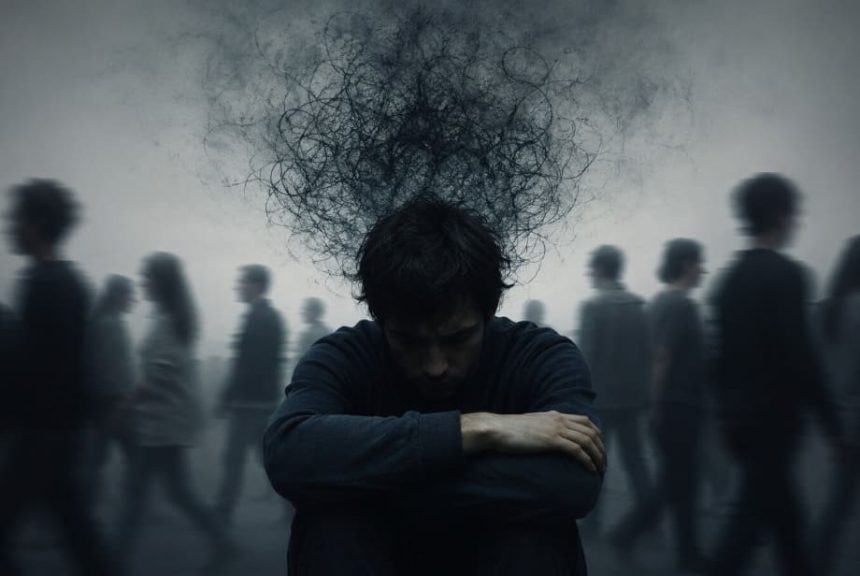
Emotional numbness does not happen suddenly—it develops slowly over time as a response to overwhelming stress, repeated emotional pain, or prolonged mental exhaustion. When a person experiences too much emotional pressure without proper support or healing, the mind begins to shut down certain feelings as a form of self-protection. Over time, this protective mechanism can become a habitual state, where both positive and negative emotions feel distant or muted. Why Some People Become Emotionally Numb Over Time becomes a serious concern when individuals no longer feel joy, sadness, or connection the way they once did, leading to a sense of emptiness in daily life, relationships, and self-awareness.
1. Constant Emotional Overload
Emotional numbness often begins when a person is exposed to too many emotional demands without enough recovery time. This can come from relationships, work pressure, family expectations, or internal self-pressure. When emotions keep piling up without proper release, the brain starts to reduce sensitivity as a survival response. Instead of feeling everything intensely, the mind slowly “turns down the volume” on emotions. Over time, joy feels less joyful, sadness feels distant, and even anger becomes muted. This isn’t weakness—it is the nervous system trying to prevent emotional collapse by limiting how much a person feels.
2. Unresolved Trauma and Emotional Suppression
When painful experiences are not processed properly, they don’t disappear—they get stored in the subconscious mind. People who experience heartbreak, loss, abuse, or betrayal often learn to suppress emotions rather than express them. At first, suppression feels like control, but long-term it creates emotional blockage. The mind begins to associate feeling deeply with danger or pain, so it slowly shuts down emotional access. As a result, emotional numbness develops as a protective wall, preventing both pain and genuine emotional connection.
3. Chronic Stress and Mental Fatigue
Living under constant stress keeps the body in a prolonged fight-or-flight state. When this happens for months or years, the nervous system becomes exhausted. Instead of reacting strongly to situations, it begins to conserve energy by reducing emotional intensity. This is why people under chronic stress often feel “empty” or “flat.” They are not just tired physically—they are mentally and emotionally drained. Emotional numbness becomes a side effect of burnout, where even things that once mattered deeply start to feel meaningless.
4. Repeated Emotional Disappointments
When someone repeatedly experiences disappointment in relationships, friendships, or life goals, their emotional system begins to adapt. Each disappointment teaches the brain that expectations may lead to pain. Over time, the mind starts lowering emotional investment to avoid future hurt. This leads to emotional detachment, where the person no longer feels excited or hopeful as they once did. Instead of feeling deeply, they begin to expect less, care less, and slowly disconnect emotionally as a form of self-protection.
5. Lack of Emotional Expression
Humans are designed to process emotions through expression—talking, crying, sharing, or even creative outlets. When emotions are constantly suppressed or ignored, they do not get processed properly. This internal buildup creates emotional blockage. A person may appear “fine” on the outside but feel disconnected inside. Over time, the inability to express emotions naturally leads to numbness. The emotional system shuts down because it has no healthy channel to release what it is holding.
6. Toxic Relationships and Emotional Withdrawal
Being in toxic or emotionally unsafe relationships can significantly contribute to emotional numbness. When a person feels misunderstood, controlled, criticized, or emotionally ignored, they begin to withdraw internally. At first, this withdrawal is a defense mechanism to avoid pain. But if the environment does not change, the emotional withdrawal becomes permanent. Eventually, the person stops expecting emotional safety altogether, leading to a deep sense of detachment not just from the relationship but from emotions in general.
7. Identity Confusion and Loss of Self
Emotional numbness can also develop when a person loses connection with their own identity. This often happens when individuals constantly prioritize others’ needs, expectations, or societal pressure over their own feelings. Over time, they stop recognizing what they truly feel or want. When identity becomes unclear, emotions also become blurred. Without a strong sense of self, emotional responses weaken, and the person may feel like they are “watching life instead of living it.”
8. Overthinking and Emotional Shutdown
Excessive overthinking can slowly disconnect a person from their emotions. When the mind is always analyzing, judging, or trying to control emotional experiences, feelings do not get fully processed. Instead of experiencing emotions, the person starts intellectualizing them. This creates a gap between thinking and feeling. Over time, emotions feel distant, unclear, or muted. The mind becomes so dominant that the emotional side becomes silent, leading to numbness and detachment.
9. Depression and Emotional Flatness
Emotional numbness is often closely linked with depressive states. In depression, the brain’s ability to regulate mood and pleasure is disrupted. This can lead to anhedonia—a condition where a person cannot feel pleasure in activities they once enjoyed. Instead of intense sadness alone, many people experience emotional flatness, where everything feels equally “nothing.” Life loses color, excitement, and emotional depth. This is not laziness or lack of interest—it is a neurological and emotional shutdown that requires care and attention.
10. Protective Emotional Shutdown Mechanism
At its core, emotional numbness is often a survival strategy. When life becomes too painful, overwhelming, or unpredictable, the mind chooses safety over feeling. It builds emotional distance to protect the person from further harm. While this mechanism can be helpful in the short term, it becomes harmful when it stays active for too long. The same protection that once helped a person survive begins to block joy, love, and connection. Emotional numbness, therefore, is not the absence of feeling—it is the presence of too much feeling that was never safely processed.
11. Emotional Burnout from Overgiving
Emotional numbness can develop when a person constantly gives more than they receive. This is common in caregivers, partners in one-sided relationships, or individuals who are always “strong” for others. Over time, emotional energy becomes depleted. The person keeps showing up for everyone else but neglects their own emotional needs. Eventually, the mind stops producing emotional responses as a way to conserve what little energy remains. What once felt like compassion slowly turns into emptiness, not because the person stopped caring, but because they no longer have the emotional capacity to keep giving.
12. Childhood Emotional Neglect
Emotional numbness often has roots in early life experiences. When a child’s feelings are consistently ignored, dismissed, or invalidated, they learn that emotions are not safe or important. As they grow older, this pattern becomes internalized. Instead of understanding and expressing emotions, they disconnect from them altogether. This early emotional neglect creates adults who may function well externally but struggle to access their inner emotional world. The numbness becomes familiar, almost like a default state, because emotional expression was never properly nurtured in the first place.
13. Fear of Emotional Pain
Some people become emotionally numb because they are deeply afraid of feeling pain again. After experiencing heartbreak, betrayal, or loss, the emotional system learns to associate deep feeling with suffering. To avoid going through that pain again, the mind begins to shut down emotional sensitivity. It feels safer to feel nothing than to risk feeling too much. While this may reduce immediate emotional distress, it also blocks positive emotions like love, joy, and excitement, leaving the person in a muted emotional state.
14. Social Pressure to Stay Strong
Society often encourages people to suppress emotions under labels like “be strong” or “don’t be too sensitive.” Over time, individuals internalize this pressure and start hiding their emotions even from themselves. Constant emotional masking leads to disconnection. When a person is always pretending to be okay, they eventually lose touch with how they actually feel. This long-term suppression creates emotional fatigue, and the natural emotional response system begins to shut down, resulting in numbness.
15. Emotional Exhaustion in Relationships
Being in emotionally demanding relationships can slowly drain a person’s inner emotional energy. When conflicts, misunderstandings, or lack of emotional support persist for a long time, the mind begins to shut down as a coping mechanism. Instead of feeling deeply engaged, the person becomes emotionally distant. This distance is not always intentional—it is the mind’s way of reducing pain. Over time, emotional investment decreases, and the person may feel detached even during meaningful interactions.
16. Loss of Hope and Future Vision
Emotional numbness often grows when a person loses hope in the future. When dreams feel unreachable or life feels stuck, emotional motivation weakens. Hope is what fuels emotional engagement with life. Without it, everything starts to feel meaningless. The mind begins to conserve emotional energy by disconnecting from both positive and negative feelings. This creates a flat emotional state where nothing feels worth reacting to, because nothing feels like it will change.
17. Suppressed Anger and Inner Tension
Unexpressed anger is one of the most overlooked causes of emotional numbness. When anger is repeatedly suppressed instead of being processed, it doesn’t disappear—it turns inward. This creates emotional blockage and internal tension. Over time, the person may stop feeling not just anger, but all emotions. The emotional system essentially “freezes” as a result of unresolved inner conflict. This frozen state is often experienced as numbness, emptiness, or emotional silence.
18. Addiction to Distraction
Constant distraction through social media, entertainment, or excessive busyness can disconnect a person from their emotional world. When the mind is always occupied, there is no space to process emotions. Instead of feeling, the person escapes. Over time, this avoidance becomes habitual. Emotional awareness weakens because emotions are never fully experienced. As a result, real-life experiences start feeling dull or distant, leading to emotional numbness even in situations that should feel meaningful.
19. Identity Suppression and People-Pleasing
People who constantly prioritize others’ approval often suppress their own emotions. This pattern of people-pleasing leads to a gradual loss of emotional identity. When someone is always adjusting themselves to meet external expectations, they stop recognizing their true feelings. Emotional numbness develops because emotions are never fully owned or expressed. The person becomes disconnected from their internal reality, living more in response to others than themselves.
20. Long-Term Emotional Survival Mode
At the deepest level, emotional numbness is often a prolonged survival response. When life repeatedly signals danger—whether emotional, relational, or environmental—the brain shifts into protection mode. In this state, emotional sensitivity is reduced to prevent overwhelm. While this helps in the short term, staying in survival mode for too long leads to chronic emotional shutdown. Eventually, even safe moments feel empty, because the mind no longer knows how to switch back into emotional openness.
21. Emotional Disconnection from Self
Over time, some people slowly lose connection with their own inner world. This happens when attention is constantly directed outward—toward responsibilities, people, or survival needs—leaving little space for self-reflection. When a person stops checking in with their own emotions, they begin to feel unfamiliar to themselves. This lack of inner awareness creates emotional distance. Eventually, feelings become harder to identify, and the person may experience a sense of being emotionally “blank,” even though emotions are still present beneath the surface.
22. Repeated Invalidations of Feelings
When someone’s emotions are repeatedly dismissed, minimized, or misunderstood, they start questioning the value of their own feelings. Phrases like “you’re overreacting” or “it’s not a big deal” can slowly reshape emotional expression. Over time, the person learns to suppress rather than express. This internalized invalidation leads to emotional shutdown. The mind begins to reduce emotional output because it no longer expects understanding or acceptance, resulting in a numb, detached emotional state.
23. Emotional Fatigue from Conflict
Frequent emotional conflicts—whether in family, relationships, or work environments—can drain a person’s emotional energy. Constant tension forces the mind into a defensive mode where it prioritizes survival over feeling. Instead of processing emotions, the brain focuses on avoiding further conflict. Over time, this defensive pattern becomes habitual. The person stops engaging emotionally altogether, not because they don’t care, but because their emotional system is exhausted from constant strain.
24. Suppression of Vulnerability
Vulnerability is essential for emotional depth, but many people learn to avoid it due to fear of rejection or judgment. When vulnerability is suppressed for long periods, emotional openness decreases. The person builds walls around their inner world to stay safe, but those same walls also block positive emotions. As a result, they may feel emotionally distant, even in situations where connection is possible. Emotional numbness develops as vulnerability is gradually replaced by emotional guardedness.
25. Loss of Meaning in Daily Life
When daily life begins to feel repetitive, unfulfilling, or purposeless, emotional engagement naturally declines. Meaning gives emotions direction and depth. Without it, everything starts to feel flat and mechanical. A person may still go through routines, but without emotional involvement. Over time, this lack of meaning creates a sense of emptiness, where even achievements or experiences fail to generate emotional response. This contributes significantly to long-term emotional numbness.
26. Overadaptation to Pain
Some individuals experience so much emotional pain that they become overly adapted to it. Instead of reacting strongly to new emotional experiences, they begin to expect pain as the default. This expectation reduces emotional responsiveness. The mind prepares itself for disappointment by lowering emotional intensity across the board. As a result, both positive and negative emotions feel muted. This overadaptation becomes a protective shield that slowly turns into emotional numbness.
27. Emotional Shutdown After Loss
Significant loss—such as the death of a loved one, breakup, or major life change—can trigger emotional shutdown. At first, the mind may feel intense grief, but if the pain becomes too overwhelming, emotional systems may shut down temporarily to protect the individual. However, if this shutdown persists, it can turn into long-term numbness. The person may feel disconnected not only from the loss but from all emotional experiences, as if their emotional range has been compressed.
28. Lack of Safe Emotional Spaces
Emotions need safe environments to be expressed and processed. When a person does not have access to emotionally safe spaces—whether friends, family, or supportive relationships—they may begin to suppress their feelings. Without validation or safety, emotional expression feels risky. Over time, the mind adapts by reducing emotional sensitivity altogether. This absence of emotional safety leads to internal withdrawal and a growing sense of emotional emptiness.
29. Emotional Confusion and Overwhelm
When emotions are too intense or mixed, the mind can become overwhelmed trying to process them all at once. Instead of sorting through the emotional chaos, the brain may choose to shut down emotional responses entirely. This creates a state of confusion where the person cannot clearly identify what they feel. Over time, this confusion turns into numbness, as the emotional system reduces activity to avoid overload.
30. Gradual Loss of Emotional Identity
In the long run, emotional numbness can become a part of a person’s identity without them realizing it. After years of suppression, stress, and emotional adaptation, feeling “numb” starts to feel normal. The person may forget what emotional intensity once felt like. This gradual shift leads to a deep disconnection from emotional identity. Even though emotions still exist internally, they no longer feel accessible, leaving the person in a quiet, detached emotional state that feels like emptiness.