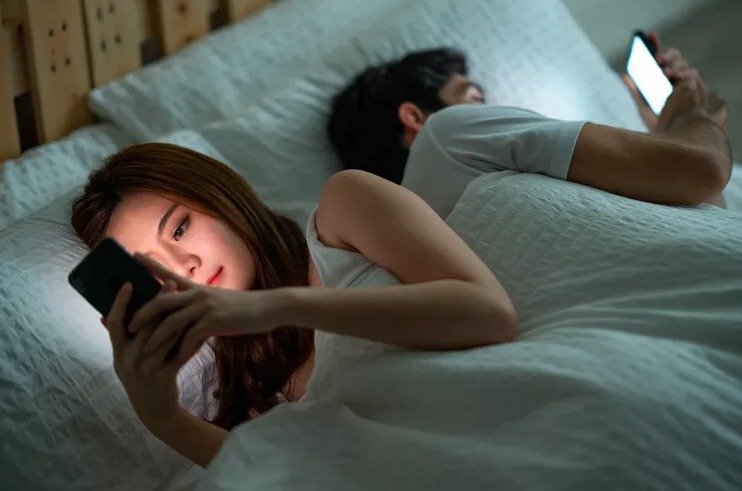
Cheating is one of the hardest things to experience in a relationship. It’s not just about sex—it’s about trust being broken, hearts being hurt, and lives being turned upside down. People often ask, “Why would someone do this?” The truth is, cheating happens for many human reasons that go beyond simple desire. Understanding these reasons can help you make sense of the pain, protect yourself, and even reflect on how relationships can grow stronger—or end with clarity.
1. Emotional Neglect and Feeling Unseen
One of the most common reasons people cheat is because they don’t feel emotionally seen or valued. When your partner stops listening, stops caring about your feelings, or takes your presence for granted, it can leave a void.
Some people look for love and attention elsewhere, not because they want to hurt their partner, but because they feel lonely. It’s often subtle: a glance, a conversation, a moment of connection with someone who notices them.
Humans crave connection. If they don’t get it at home, they may find it somewhere else—even if it’s temporary.
2. The Thrill of the New and Forbidden
Cheating sometimes happens because humans are wired for novelty and excitement. Relationships can get comfortable—or even mundane—and some people start craving something “different.”
It’s not always malicious. Sometimes, it’s a desire to feel alive, noticed, or desired in a new way. The thrill of sneaking around, the excitement of someone new looking at them with admiration, can be intoxicating.
This doesn’t excuse it, but it explains why even someone who loves their partner might stray.
3. Lack of Intimacy
Physical and emotional intimacy are cornerstones of a relationship. When one partner feels disconnected—sexually, romantically, or emotionally—they may seek that connection elsewhere.
It might start small: flirting, texting, or sharing personal thoughts with someone else. Before long, it can cross lines. Many people don’t cheat just for sex—they cheat because they feel understood, wanted, or alive in a way they aren’t feeling at home.
4. Low Self-Esteem and Validation Needs
Some people cheat because they need to feel desired, powerful, or appreciated. They might feel insecure about themselves, their looks, or their value, and someone else’s attention becomes a boost.
Again, it’s not about the other person—they may love their partner—but they are searching for confidence and validation outside. Cheating in this case is more about filling personal insecurities than rejecting the person they’re with.
5. Life Stress and Escapism
Life can be overwhelming. Work stress, family pressure, financial struggles, or personal trauma can make someone feel trapped, frustrated, or unfulfilled.
Cheating sometimes becomes a way to escape, even if just temporarily. It’s not about the new person—it’s about escaping reality. It’s a human flaw: when life feels unbearable, people sometimes seek relief in the wrong places.
6. Feeling Unappreciated or Taken For Granted
When someone feels like everything they do is ignored—cooking, supporting, listening, caring—they may feel invisible. This can lead them to seek recognition and gratitude elsewhere.
It doesn’t justify cheating, but it’s human to want appreciation. When that appreciation is missing for months or years, the temptation to find it somewhere else grows.
7. Impulse and Poor Choices
Some people cheat because of impulses, mistakes, or lack of self-control. It can happen in one moment of weakness: a flirtatious message, a late-night encounter, or a night out that goes too far.
Humans are not perfect. Temptation can feel overwhelming, and some act before thinking about the consequences. Unfortunately, the damage caused by a split-second choice can last a lifetime.
8. Falling Out of Love or Shifting Priorities
Sometimes, cheating happens because a person has emotionally drifted from the relationship, even if they still care. Life changes, emotional growth, and unmet expectations can create distance.
They may find someone else who aligns more closely with their current needs, desires, or emotional state. Again, this is painful but real: relationships require ongoing effort, and sometimes people fail to maintain that connection.
9. Unspoken Issues and Communication Gaps
Cheating rarely comes out of nowhere. Many times, it’s a symptom of problems left unspoken or unresolved.
- Arguments that never end
- Needs that are never voiced
- Resentment building quietly over time
People who cheat often aren’t communicating what they need, and when opportunity arises, they may act impulsively instead of addressing the real issues.
10. Why It Feels Impossible to Understand
Even knowing these reasons, being cheated on feels personal, painful, and confusing. The truth is: people cheat because they are human—flawed, impulsive, vulnerable, and sometimes selfish.
It’s not always about you. It’s about unmet needs, insecurities, and life pressures. Understanding this doesn’t make the pain disappear, but it helps you see the truth without losing your sense of self-worth.
Conclusion
Cheating happens because humans are complex, emotional, and flawed. It can stem from loneliness, boredom, stress, insecurity, or unaddressed needs. Understanding why it happens is not about excusing it—it’s about humanizing it, reflecting on relationships, and learning how to protect yourself or rebuild trust.