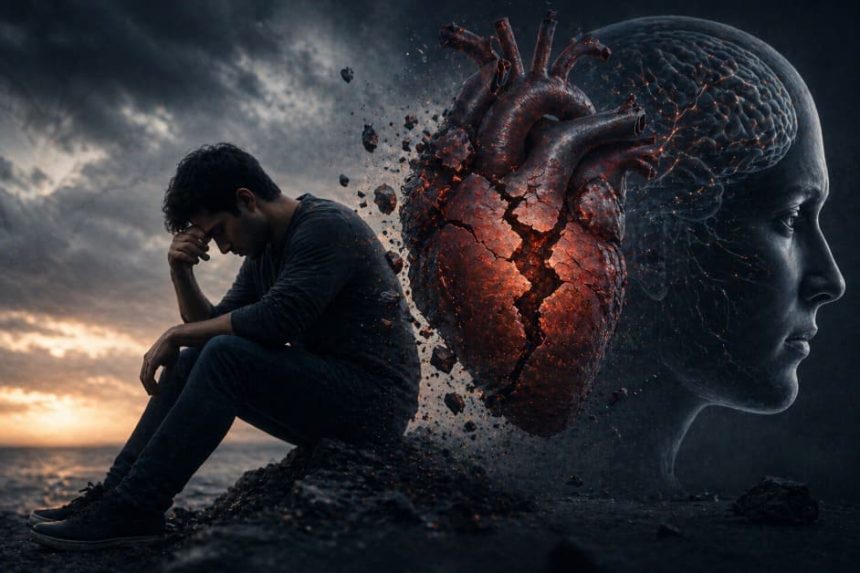
There are moments in life when emotional pain feels almost impossible to explain. A heartbreak, betrayal, or painful goodbye can leave an ache that feels heavier than words. Sometimes it feels as if the pain is not only in the mind but inside the chest itself. The truth is, hearts break so deeply because emotional pain is closely connected to the brain and body, making heartbreak feel both mental and physical. What we call a “broken heart” is not just poetry—it is a real emotional and biological experience.
1. The Brain Treats Emotional Pain Like Physical Pain
One of the most fascinating reasons heartbreak feels so intense is that the brain often processes emotional pain in ways that are surprisingly similar to physical pain. When someone experiences rejection, betrayal, or the loss of a meaningful relationship, the same areas of the brain that respond to physical injury can become active. This is why heartbreak does not feel like “just sadness.” It can create real sensations such as heaviness in the chest, tightness in the throat, weakness in the body, and even a deep ache that seems physically present. The pain feels real because, neurologically, your brain is reacting to emotional loss almost as if it were a physical wound. This is the strange science behind why emotional pain can feel so sharp and unforgettable.
2. Attachment Creates Emotional Dependence
When we deeply love someone, the brain begins to build strong emotional and chemical connections around that person. Love and attachment involve the release of feel-good chemicals like dopamine and oxytocin, which create feelings of comfort, trust, closeness, and emotional safety. Over time, the presence of that person becomes part of your emotional routine. Their voice, their messages, their touch, and even their daily presence can become deeply connected to your sense of stability. When that bond suddenly breaks, the brain reacts like it has lost something essential. In many ways, heartbreak can feel similar to withdrawal because the mind is no longer receiving the emotional and chemical comfort it had become used to. This sudden emptiness makes the pain feel much deeper.
3. The Mind Replays the Loss Repeatedly
Another reason heartbreak feels so deep is because the mind often refuses to let the pain rest. After a painful separation or betrayal, the brain naturally starts replaying memories, conversations, and moments over and over again. You may find yourself thinking about what was said, what went wrong, what could have been different, or whether there were signs you missed. This constant mental replay keeps the emotional wound active. Instead of allowing the pain to fade, the mind continues to relive it repeatedly, making the heartbreak feel fresh again and again. Each memory becomes another emotional trigger, and the more the mind revisits the loss, the more intense the feelings can become.
4. Rejection Affects Self-Worth
Heartbreak often goes beyond losing a person—it can deeply affect how we see ourselves. When someone we love leaves, rejects, or hurts us, the mind may begin turning inward with painful questions. Thoughts like Was I not enough?, What did I do wrong?, or Why wasn’t I chosen? can start taking over. This is where heartbreak becomes connected to self-worth. The pain is no longer only about the relationship ending; it becomes tied to personal value and identity. This emotional shift makes the experience much heavier because the loss starts to feel deeply personal.
5. Stress Hormones Increase
The science of heartbreak also involves the body’s stress response. Emotional pain can trigger the release of stress hormones such as cortisol and adrenaline. When these hormones increase, they can cause physical symptoms like anxiety, restlessness, lack of sleep, rapid heartbeat, and emotional exhaustion. This is why heartbreak often affects not only your emotions but your entire body. You may feel tired without doing much, lose your appetite, or struggle to relax. The body begins reacting to the emotional loss as a form of stress, which makes the experience feel even more intense.
6. Memories Keep Emotional Pain Alive
The brain forms powerful emotional associations between people and everyday experiences. Songs, places, scents, routines, and even certain times of the day can become linked to someone you loved. After heartbreak, these reminders can instantly reactivate the pain. A familiar place or a simple message notification sound may suddenly bring back memories and emotions all at once. This is why heartbreak can sometimes feel like it keeps returning even when you are trying to move forward. The brain’s connection between memory and emotion keeps the wound feeling close.
7. The Loss of Future Dreams Hurts Too
One of the deepest parts of heartbreak is not only losing the person but losing the future you imagined with them. Often, relationships are tied to dreams, plans, and expectations about what life will look like ahead. When the relationship ends, those imagined moments disappear too. The mind grieves not only what happened but also everything that was supposed to happen. This invisible loss of future dreams can be one of the most painful parts of heartbreak because it feels like an entire vision of life has been taken away.
8. The Body Feels the Grief
Heartbreak often manifests physically because the body and mind are deeply connected. Many people experience chest heaviness, stomach discomfort, headaches, fatigue, and even a sensation of emptiness in the body. In some cases, the stress of heartbreak can even weaken the immune system and affect sleep patterns. This physical response is part of why the phrase “broken heart” feels so real. Emotional grief often leaves traces in the body, making the pain feel impossible to ignore.
9. The Brain Needs Time to Rewire
When someone becomes part of your daily life, the brain builds habits and emotional expectations around them. You get used to talking to them, seeing them, thinking about them, and emotionally relying on their presence. After heartbreak, the brain must slowly adapt to their absence. This rewiring process takes time because the mind has to learn a new emotional reality. Healing does not happen instantly because the brain needs space to create new patterns and let go of old emotional habits.
10. Deep Love Creates Deep Pain
Perhaps the most powerful reason heartbreak hurts so deeply is because pain often reflects the depth of the love that existed. The stronger the emotional bond, the more intense the loss feels. When someone has become part of your heart, your memories, and your sense of safety, losing them naturally creates a deep wound. In many ways, heartbreak is the shadow of deep love. The pain is often a reflection of how much the connection truly meant.
11. Your Brain Treats Love Like a Reward System
Love deeply affects the brain’s reward system. When you are with someone you love, the brain releases dopamine, the chemical linked to pleasure, motivation, and reward. This creates feelings of happiness, comfort, and emotional excitement. Over time, the brain begins to associate that person with emotional relief and joy. When the relationship ends, the sudden absence of this reward can make the brain feel deprived, almost like it is missing something it depended on. This loss can create emotional cravings, intrusive thoughts, and a strong urge to reconnect, which makes heartbreak feel even more intense.
12. Familiar Routines Suddenly Disappear
One reason heartbreak feels so deep is because it disrupts the routines your mind had built around that person. Daily messages, phone calls, shared meals, planned outings, and even small habits become part of your emotional structure. Once that relationship ends, these routines suddenly disappear, leaving behind an emptiness that feels impossible to ignore. The absence is often felt most strongly in the quiet moments where their presence used to exist. This sudden change in daily patterns can intensify the sense of loss and loneliness.
13. The Silence Feels Louder Than Before
After heartbreak, silence often becomes one of the most painful experiences. The absence of their voice, messages, or presence can make ordinary moments feel emotionally heavy. Places that once felt warm now feel empty, and even the silence in your room may seem louder than before. This happens because the mind is constantly aware of what is missing. The emotional contrast between what once existed and what is now gone makes the silence itself feel painful.
14. The Mind Searches for Answers
One of the reasons heartbreak lasts so long is because the mind keeps searching for closure and understanding. You may find yourself repeatedly asking why it happened, what changed, or whether something could have been done differently. The brain naturally seeks answers because uncertainty is emotionally difficult to tolerate. This constant search for meaning keeps the pain active, as the mind continues revisiting the loss in an attempt to make sense of it.
15. Heartbreak Can Trigger Anxiety
Emotional loss often creates feelings of uncertainty and instability, which can trigger anxiety. The mind may begin worrying about the future, fearing loneliness, or replaying worst-case scenarios. This anxiety can make the heartbreak feel even heavier because it adds fear to the sadness. The emotional pain is no longer only about what happened but also about what comes next.
16. Your Identity Feels Shaken
In deep relationships, part of your identity often becomes connected to the other person. You may begin seeing yourself through the relationship—your routines, dreams, and even your sense of belonging may revolve around that connection. When it ends, it can feel like a part of yourself has been lost. This is why heartbreak can sometimes create an identity crisis, making you question who you are without them.
17. Loneliness Becomes More Intense
After heartbreak, loneliness often feels far deeper than simply being alone. It is the emotional absence of someone who once occupied a permanent space in your daily life and your inner world. Even when you are surrounded by friends, family, or people at work, there can still be a strange emptiness that no one else seems able to fill. This happens because the mind is not just missing a person—it is missing the emotional comfort, familiarity, and sense of connection that came with them. The silence in places you once shared, the lack of their presence in small everyday moments, and the sudden emotional distance can make loneliness feel sharper than ever before.
18. Sleep Often Gets Affected
Heartbreak has a powerful effect on sleep because emotional pain keeps the mind active long after the day ends. Thoughts begin racing at night, memories replay themselves repeatedly, and unanswered questions continue circling in the mind. This emotional restlessness makes it difficult to relax enough to fall asleep. Even if sleep comes, it may not feel peaceful because the mind remains emotionally burdened. Lack of sleep then intensifies sadness, anxiety, and mental exhaustion, creating a cycle where heartbreak and sleeplessness continue feeding each other.
19. Appetite and Energy Change
Emotional pain often affects the body’s basic needs, including appetite and energy levels. Some people lose the desire to eat because sadness suppresses hunger, while others may eat more in an attempt to find temporary comfort. At the same time, energy levels often drop significantly. Simple daily tasks can begin to feel exhausting because the body is carrying emotional stress. This happens because heartbreak activates the nervous system and places the body under psychological strain, making physical tiredness feel just as real as the emotional pain.
20. The Body Stays in Stress Mode
When the heart breaks, the body often remains in a prolonged state of stress. Stress hormones like cortisol stay elevated, keeping the nervous system alert and tense. This can lead to symptoms such as rapid heartbeat, chest tightness, restlessness, and constant mental unease. Instead of returning quickly to a relaxed state, the body continues reacting as if it is facing an ongoing threat. This is one reason heartbreak can feel physically exhausting for days, weeks, or even months.
21. Social Rejection Feels Primitive
From a scientific and psychological perspective, rejection affects us deeply because human beings are naturally wired for connection and belonging. On a primitive level, social exclusion can feel threatening because the brain interprets isolation as a danger to emotional survival. This is why rejection often feels bigger than the event itself. The pain is not only emotional—it touches something deeply rooted in our human need to feel accepted and loved.
22. The Heart Grieves More Than the Mind
Sometimes the mind may understand that a relationship had to end, yet the heart continues grieving long after logic has accepted the truth. This emotional disconnect is one of the reasons heartbreak feels so confusing. Rationally, you may know it was the right outcome, but emotionally, the loss still hurts. Feelings often heal much slower than thoughts, and the heart needs time to process what the mind may already know.
23. Hope Makes It Harder to Heal
Hope can often be one of the most painful parts of heartbreak. A small part of the mind may continue holding onto the possibility that things might return to how they were. This hope keeps emotional attachment alive, making it harder for the heart to fully let go. As long as hope remains, the mind often stays emotionally connected to the past, delaying healing and acceptance.
24. Comparison Increases the Pain
Heartbreak often becomes heavier because the mind keeps comparing the present emptiness with the happiness of the past. You may constantly think about how life felt before the loss and compare it to the silence and sadness you feel now. This emotional contrast makes the pain seem even bigger because the mind keeps measuring what is missing.
25. The Fear of Starting Again Hurts
Another deep part of heartbreak is the fear that comes with imagining life moving forward. The thought of trusting someone new, opening up again, or rebuilding emotionally can feel overwhelming. This fear adds another layer to the pain because it is no longer only about the past but also about uncertainty regarding the future.
26. Emotional Triggers Keep Returning
Heartbreak often comes in waves because emotional triggers can suddenly bring back intense feelings. A familiar song, a place you once visited together, a scent, or even a date on the calendar can instantly awaken memories. These triggers reactivate the emotional pathways in the brain, making the pain feel present again even after some healing has happened.
27. Deep Bonds Leave Deep Marks
The deeper the emotional connection, the stronger the imprint it leaves on the heart and mind. Relationships shape routines, emotions, dreams, and personal identity. When such a bond breaks, it naturally leaves a lasting mark. This is why some heartbreaks stay with us for years, not because healing is impossible, but because deep connections leave deep emotional traces.
28. Healing Is Not Linear
One of the most important things to understand about heartbreak is that healing does not happen in a straight line. Some days may feel lighter, while others may suddenly feel just as painful as the beginning. This back-and-forth process is completely normal because emotional recovery often happens in layers. The heart heals gradually, not all at once.
29. The Brain Slowly Learns Acceptance
Over time, the brain begins adapting to the new reality. The absence that once felt unbearable slowly becomes something the mind can process more peacefully. Memories remain, but their emotional charge begins to soften. This gradual shift is the brain learning acceptance and building new emotional patterns.
30. Heartbreak Is Proof of Deep Feeling
At its deepest level, heartbreak is proof that you truly felt something meaningful. The pain reflects the love, trust, and emotional energy that once existed. While it hurts deeply, it also shows that your heart was capable of genuine connection. In many ways, heartbreak is not just pain—it is evidence of how deeply human love can be.