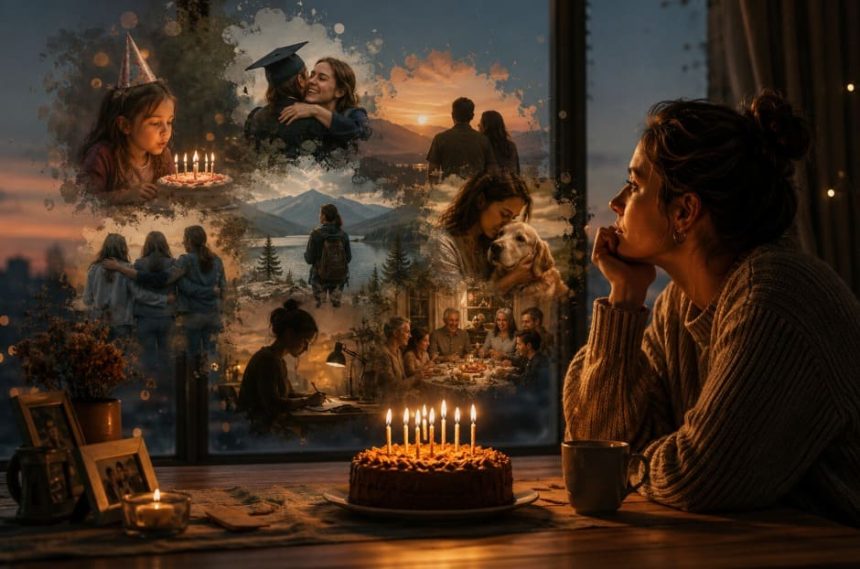
Birthdays feel different as we grow older, often becoming more emotional than exciting. The reason birthdays feel more emotional is because they start reflecting time, memories, and personal growth rather than just celebration. As kids, birthdays are about fun and gifts, but as adults, they become moments of reflection—about what we’ve achieved, lost, and experienced. Each year quietly reminds us of how much life has changed, making the day feel deeper and more meaningful than before.
1. Time Feels Faster With Age
As we grow older, time seems to move much faster than it did in childhood. This shift in perception makes birthdays feel more emotional because each year feels like it has passed in the blink of an eye. When we are young, a year feels long and full of endless experiences, but as adults, days, months, and years blend together. So when a birthday arrives, it becomes a sudden reminder of how quickly life is moving. This awareness often brings mixed emotions—gratitude for being alive, but also a quiet shock at how fast time is slipping away.
2. Increased Self-Awareness
With age comes deeper self-awareness, and birthdays naturally trigger reflection. We start thinking not just about celebrating, but about who we have become compared to who we once wanted to be. This inner comparison can make birthdays emotionally intense. We evaluate our personality growth, emotional maturity, and life choices more critically. Instead of just blowing candles, we silently ask ourselves meaningful questions about purpose, direction, and fulfillment, which adds emotional depth to the day.
3. Unfulfilled Dreams and Expectations
As children, we dream freely without limits, but as we grow older, reality shapes those dreams. Birthdays often bring those old dreams back into memory, making us reflect on what has been achieved and what still remains incomplete. This can create a wave of emotions—sometimes pride, sometimes disappointment, and often a mix of both. The gap between expectations and reality becomes more visible each year, making birthdays feel more personal and emotionally charged.
4. Changing Relationships Over Time
One of the strongest emotional triggers on birthdays is the change in relationships. Friends move away, family members grow older, and some people may no longer be present in our lives. Birthdays highlight who is still around and who is not. This comparison between past and present relationships can bring both warmth and sadness. The people who remember us make us feel loved, while the absence of others reminds us of loss and change.
5. Memory Flood Effect
Birthdays often act like emotional time portals, bringing back a flood of memories. A simple message, song, or tradition can trigger moments from childhood, teenage years, or past celebrations. These memories don’t come one by one—they arrive all at once, creating an emotional overload. We remember past birthdays, people who celebrated with us, and versions of ourselves that no longer exist. This mental rewind naturally makes birthdays deeply emotional experiences.
6. Awareness of Aging
Unlike childhood, where growing older is exciting, adulthood brings awareness of aging. Birthdays become reminders that we are no longer the same age we once were. This realization can be emotional because it highlights physical, mental, and lifestyle changes. Even if we embrace aging positively, there is still a moment of reflection about youth, energy, and time that cannot be reversed. This awareness adds depth and seriousness to what used to be a simple celebration.
7. Pressure of Life Progress
Many people unknowingly compare their life progress with expectations or societal standards during birthdays. Questions like “Am I where I should be?” or “Have I achieved enough?” often arise. This internal pressure can make birthdays emotionally heavy. Instead of pure joy, there is a silent evaluation of career, relationships, financial stability, and personal happiness, which can create stress mixed with reflection.
8. Gratitude Becomes Stronger
As we mature, birthdays also increase our sense of gratitude. We begin to appreciate life more deeply—our health, experiences, and the people who still care for us. This gratitude is emotional because it often comes after experiencing challenges, losses, or struggles. Realizing that we have made it through another year safely brings a quiet emotional warmth that is both comforting and overwhelming at the same time.
9. Loss Becomes More Real
With age, we begin to experience loss more frequently—whether it is the loss of people, opportunities, or past versions of life. Birthdays often highlight these absences more clearly. We may think about someone who used to celebrate with us or moments that can never return. This awareness of loss adds emotional weight to birthdays, making them feel bittersweet rather than purely joyful.
10. Desire for Meaning Over Celebration
Eventually, birthdays shift from being about parties and excitement to something more meaningful. People start seeking emotional connection, peace, and purpose rather than material celebration. This change in mindset makes birthdays more reflective and emotional. Instead of just enjoying the day, we want to feel understood, valued, and connected. The desire for meaning transforms birthdays into deeply personal milestones rather than simple festivities.
11. Realization of Life Responsibilities
As we grow older, birthdays often remind us of the responsibilities we carry. Bills, work pressure, family duties, and personal commitments become part of daily life. Unlike childhood birthdays that were carefree, adult birthdays come with the awareness that life is no longer simple. This realization can feel heavy, making the day more emotional as we reflect on how much we manage compared to earlier years.
12. Comparison With Others
Even without noticing, people often compare their life journey with others during birthdays. Seeing friends achieving milestones like marriage, career success, or travel can trigger emotional reflection. This comparison is not always negative, but it creates a sense of evaluation. It makes birthdays a moment where we silently measure our own progress against others, which can bring mixed feelings of pride, doubt, or motivation.
13. Childhood Memories Become Stronger
Birthdays often bring back vivid childhood memories—cake cutting, school celebrations, family gatherings, and simple joys. As adults, these memories feel more emotional because we realize how different life is now. The innocence and excitement of childhood seem distant, making us nostalgic. This contrast between past and present intensifies emotional feelings during birthdays.
14. Awareness of Limited Time
With age, we become more aware that time is not endless. Birthdays act as yearly reminders that life is moving forward. This awareness is powerful and emotional because it encourages us to think about how we are spending our time. It pushes us to value moments more deeply and sometimes creates a quiet fear of wasted time or missed opportunities.
15. Desire for Genuine Connection
As we mature, we value genuine relationships more than large celebrations. On birthdays, we often expect heartfelt wishes, meaningful conversations, and emotional connection rather than just formal greetings. When these expectations are met, it feels deeply fulfilling; when they are not, it can feel lonely. This emotional sensitivity makes birthdays more impactful.
16. Feeling of Loneliness at Times
Even in a crowd, some people feel a sense of loneliness on their birthday. This can happen when expectations of attention or love are not fully met. As we grow older, we become more emotionally aware of who truly cares for us. This awareness can intensify feelings of solitude, making birthdays emotionally complex.
17. Reflection on Personal Growth
Birthdays naturally lead to self-reflection. We think about how much we have changed emotionally, mentally, and personally over the year. Sometimes we feel proud of our growth, and other times we feel we haven’t changed enough. This internal evaluation makes birthdays deeply introspective and emotionally layered.
18. Memories of Absent People
As years pass, not everyone stays in our lives. Birthdays often remind us of people who are no longer present—whether due to distance, conflict, or loss. Thinking about them creates emotional depth and sometimes sadness. Their absence becomes more noticeable during meaningful days like birthdays.
19. Social Media Pressure
In today’s world, birthdays are often influenced by social media expectations. Seeing grand celebrations online can create subconscious pressure to feel or appear happy. When real life doesn’t match those expectations, it can create emotional imbalance. This contrast between digital celebration and real emotion adds complexity to birthdays.
20. Realization of Changing Identity
Each birthday marks another version of ourselves. We are not the same person we were last year. This evolving identity can be emotional because it reflects both growth and loss. We leave behind old habits, thoughts, and versions of ourselves, which creates a sense of emotional transition.
21. Emotional Weight of Memories
With each passing year, memories accumulate and become heavier emotionally. Birthdays trigger reflection on these memories, both good and bad. The emotional weight of everything we have experienced starts to surface, making the day feel deeper and more meaningful than just a celebration.
22. Appreciation for Small Moments
As we mature, we begin to appreciate small gestures—messages, calls, or simple time spent with loved ones. Birthdays highlight these small moments even more. A simple “happy birthday” can feel deeply emotional because it represents care, attention, and connection.
23. Fear of Wasted Years
Some people experience emotional discomfort on birthdays due to the fear of wasted time. They may think about opportunities they didn’t take or goals they didn’t achieve. This reflection can create a mix of regret and motivation, making birthdays emotionally intense.
24. Deeper Understanding of Happiness
Over time, happiness becomes less about external celebrations and more about internal peace. Birthdays highlight this shift. Instead of seeking loud celebrations, people start valuing calmness, meaningful conversations, and emotional balance, making the day feel more reflective.
25. Realization of Life’s Unpredictability
As we grow older, we understand that life is unpredictable. Birthdays remind us that another year has passed safely, which is not guaranteed for everyone. This realization can be emotional because it makes us appreciate life more deeply.
26. Changing Expectations From Celebrations
In childhood, birthdays are about excitement and gifts. As adults, expectations shift toward emotional fulfillment. When reality doesn’t match these expectations, it can create emotional contrast, making birthdays feel more sensitive.
27. Feeling of Transition
Every birthday marks a transition into a new phase of life. This change is not always dramatic but often emotionally felt. Whether it’s entering a new decade or simply growing older, this transition brings reflection and emotional awareness.
28. Deeper Bonds With Close People
As we age, we realize the importance of a small circle of close relationships. Birthdays highlight these bonds. The people who truly remember and care for us become more meaningful, making the day emotionally significant.
29. Acceptance of Imperfection
Birthdays often lead to acceptance of life’s imperfections. We realize that not everything goes as planned, and that’s okay. This acceptance brings emotional maturity, but also reflection on struggles and resilience.
30. Emotional Balance of Joy and Sadness
Ultimately, birthdays feel emotional because they hold both joy and sadness together. We are happy to celebrate life, yet reflective about time, change, and memories. This balance of opposite emotions is what makes birthdays deeply human and powerfully emotional.