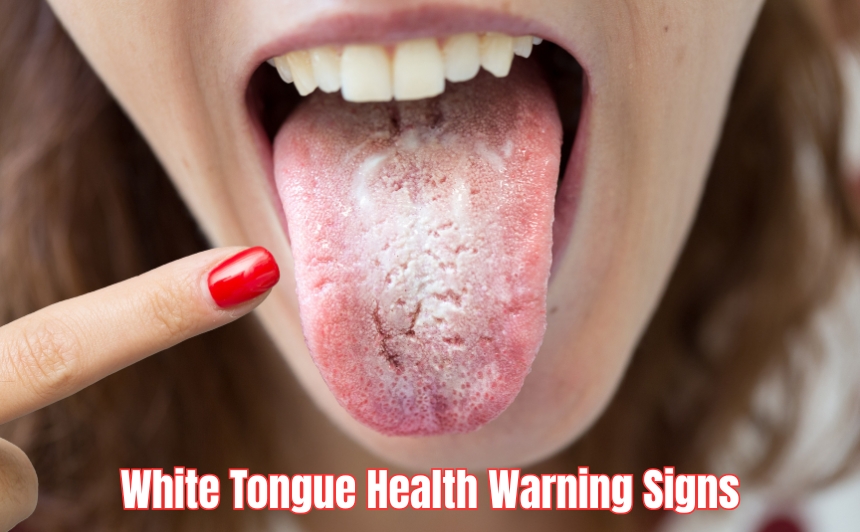
If you’ve noticed a white coating on your tongue lately, don’t ignore it. This may be one of the most overlooked white tongue health warning signs your body is trying to give you. While it may seem like a minor or temporary issue, a white tongue can be a red flag for several underlying health problems that need your attention. In this article, we’ll explore what causes a white tongue, what it may signify, how to treat it naturally, and when to seek medical advice. Your tongue can reveal a lot about your overall health—more than you might think.
1. What Is a White Tongue?
A white tongue typically appears when the surface of the tongue is coated with a layer of dead cells, bacteria, food debris, and other substances. It can cover the entire tongue or appear in patches. Often, this condition is temporary and harmless, but it can also be a sign of more serious health concerns.
Some people also experience other symptoms alongside a white tongue, such as bad breath, dryness, or a bitter taste in the mouth.
2. Poor Oral Hygiene
One of the most common white tongue health warning signs is related to poor oral hygiene. Failing to brush your tongue or rinse your mouth properly can cause buildup over time.
To prevent this:
- Brush your tongue daily with a soft-bristled toothbrush or tongue scraper.
- Use antibacterial mouthwash.
- Stay consistent with brushing and flossing.
3. Dehydration and Dry Mouth
A lack of hydration can cause your mouth to produce less saliva. Saliva naturally helps cleanse the tongue. When it’s in short supply, the tongue may develop a white coating.
Hydration tips:
- Drink at least 8 glasses of water daily.
- Limit caffeine and alcohol, which can dehydrate the body.
- Use sugar-free gum to stimulate saliva if needed.
4. Oral Thrush (Yeast Infection)
A thick white coating, especially if it looks like cottage cheese, may indicate oral thrush—a fungal infection caused by the overgrowth of Candida. It is more common in people with weakened immune systems, those on antibiotics, or individuals with diabetes.
Symptoms include:
- White patches that are difficult to wipe off
- Red, sore tongue underneath
- Difficulty swallowing
If you suspect thrush, see a doctor. Antifungal medications may be necessary.
5. Smoking and Tobacco Use
Smoking is a major culprit behind white tongue health warning signs. The chemicals in tobacco irritate the mouth lining, reduce saliva production, and promote bacterial buildup.
Quitting smoking not only improves your tongue’s appearance but also benefits your oral and overall health immensely.
6. Dietary Factors
Some foods can leave behind residue that coats your tongue, especially dairy, sugar, and processed foods. These promote bacterial and fungal growth.
To improve oral health:
- Reduce sugar and dairy intake
- Increase fiber-rich fruits and vegetables
- Drink plenty of water after meals
7. Fever or Illness
A white tongue can sometimes appear during a fever or illness as the body reacts to infection. It’s not uncommon in viral or bacterial conditions.
This type of coating often resolves as the body recovers, but if it persists, it’s best to get checked out.
8. Lichen Planus or Leukoplakia
These are more serious oral conditions linked to immune dysfunction or pre-cancerous cell changes.
Lichen Planus causes lacy white patches and may cause discomfort or pain.
Leukoplakia appears as thick, raised white patches and requires a medical evaluation to rule out oral cancer.
9. Use of Medications
Certain medications—especially antibiotics, steroids, and those causing dry mouth—can lead to white coating due to altered oral flora or reduced moisture in the mouth.
Talk to your doctor if you suspect a prescription is affecting your oral health.
10. Stress and Immune Response
Stress can weaken your immune system, allowing infections like thrush or lichen planus to flare up. If your life is high-stress and you’re noticing a white tongue, your body might be signaling a need for balance.
11. Natural Remedies and Prevention
To improve or prevent white tongue health warning signs, try these tips:
- Brush your tongue twice a day.
- Stay hydrated.
- Avoid alcohol, smoking, and sugary foods.
- Use a saltwater rinse (½ tsp salt in warm water).
- Chew cloves or cardamom for natural antibacterial effects.
- Eat probiotics like yogurt or kefir to maintain healthy oral flora.
When to See a Doctor
Seek medical attention if:
- The white coating persists for more than two weeks.
- You experience pain, burning, or difficulty swallowing.
- You notice red patches, bleeding, or sores on your tongue.
- You’re unsure about the cause or your symptoms worsen.
Conclusion
Don’t ignore the white tongue health warning signs your body may be giving you. What seems like a small change could indicate dehydration, infection, or an underlying medical condition. A healthy tongue should be pink and moist—if yours isn’t, take action. Whether it’s improving your hygiene, adjusting your diet, or consulting a healthcare provider, small steps can make a big difference in your oral and overall well-being.