


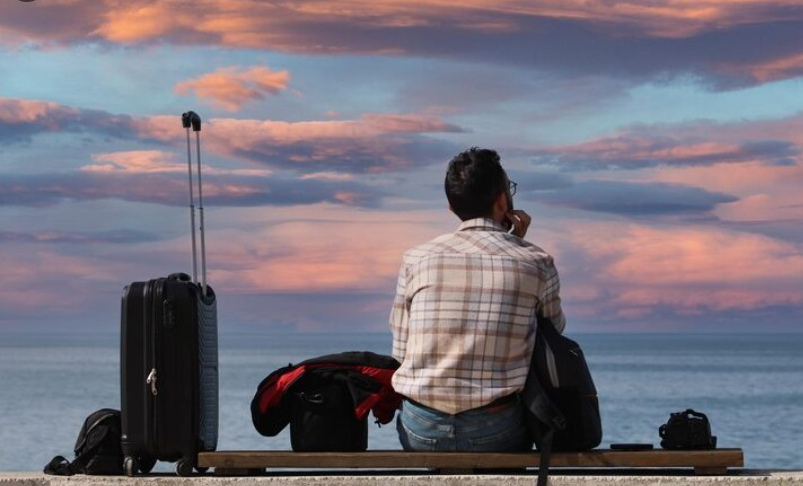
Traveling Alone: Lessons You Can’t Learn With Company is more than a journey to a new destination; it is a profound personal experience that teaches life lessons often masked when accompanied by others. Traveling solo challenges you to rely on yourself for every decision, from planning routes to handling unexpected obstacles. It pushes you beyond comfort zones, encourages self-reflection, and highlights both your strengths and weaknesses. The independence and freedom of traveling alone create a unique environment for personal growth, emotional resilience, and self-discovery—lessons that cannot be fully experienced when guided or shielded by company.
2. Encourages Independence
Being alone forces you to make all decisions without compromise. You choose your own schedule, the sights you want to see, the food you want to try, and even how to spend your free time. This level of autonomy fosters independence, teaching you to enjoy your own company and embrace your personal preferences. You learn to trust your own instincts, rather than following someone else’s idea of fun or comfort. This sense of freedom encourages a deeper connection with yourself and instills a confidence that you are capable of thriving on your own.
3. Enhances Problem-Solving Skills
Solo travel inevitably presents unexpected challenges—lost tickets, miscommunication, unfamiliar streets, or sudden weather changes. Facing these obstacles alone forces you to think critically and creatively to find solutions. You learn to anticipate problems, evaluate options quickly, and adapt to unforeseen circumstances. Over time, you develop a sense of resourcefulness and strategic thinking that is difficult to acquire in a guided or group setting. This skill becomes invaluable, not just for travel, but for navigating real-life problems with calmness and ingenuity.
4. Teaches Flexibility
Traveling alone shows you that plans rarely unfold perfectly. A delayed train, closed attraction, or change in weather can disrupt your carefully designed itinerary. Solo travel teaches flexibility by encouraging you to adjust your plans without frustration or dependence on someone else’s opinion. You learn to embrace uncertainty and find joy in spontaneous opportunities. This adaptability allows you to face life’s unpredictable moments with resilience, teaching you to accept change and make the most of every situation, rather than resisting it.
5. Builds Confidence
Every solo success, no matter how small, strengthens your confidence. Successfully navigating a new city, ordering food in an unfamiliar language, or striking up a conversation with a stranger reinforces your belief in your abilities. Each accomplishment affirms that you can handle challenges independently. This confidence extends beyond travel—it shapes your approach to new opportunities, personal projects, and even professional challenges, instilling a sense of self-assuredness that is difficult to achieve when constantly relying on others.
6. Strengthens Decision-Making
Being alone requires you to make every decision independently. From selecting the next destination to deciding how to spend your day, you practice weighing options, assessing risks, and committing to choices. This repeated exercise sharpens your decision-making skills, enabling you to act decisively even under uncertainty. Over time, you develop the ability to trust your judgment and instincts, knowing that the outcomes are your responsibility and that you are capable of navigating the consequences.
7. Fosters Self-Discovery
Solo travel creates uninterrupted space for introspection and personal reflection. Without companions to influence your choices, you can explore what truly interests you, how you respond to challenges, and what brings you joy or discomfort. This process allows you to uncover hidden strengths, acknowledge weaknesses, and better understand your values and priorities. Self-discovery through solo travel isn’t just about learning what you like—it’s about understanding who you are and how you relate to the world around you, laying the foundation for deeper personal growth.
8. Encourages Patience
Traveling alone inevitably involves delays, misunderstandings, and unforeseen obstacles. Whether it’s waiting for a bus, deciphering a confusing map, or figuring out local customs, solo travel requires patience. You learn to remain calm, approach problems methodically, and accept that not everything is within your control. This patience extends beyond travel, influencing your interactions, decision-making, and overall approach to challenges in everyday life.
9. Builds Resilience
Facing discomfort, uncertainty, and unexpected setbacks alone strengthens your resilience. Solo travel exposes you to situations that challenge your comfort zones and require perseverance. By successfully navigating these difficulties, you develop the ability to recover quickly from setbacks, handle stress more effectively, and maintain confidence even in unpredictable situations. Resilience built through solo travel prepares you for the complexities of life, teaching you that you can endure and thrive despite obstacles.
10. Promotes Adaptability
Solo travel exposes you to diverse cultures, systems, and environments. From navigating foreign transportation to adjusting to different social norms, you learn to adapt quickly and effectively. This adaptability extends beyond travel, enhancing your ability to respond to change in professional, social, and personal contexts. You become more flexible in your thinking, more open to unexpected experiences, and better equipped to embrace opportunities that require a shift in perspective or approach.
11. Enhances Observation Skills
When traveling alone, you are more attuned to your surroundings because there’s no companion to distract you. You notice the subtle details of a city’s architecture, the nuances in local customs, or the small acts of kindness from strangers. This heightened awareness allows you to fully experience your environment and absorb the culture in a way that group travel often dilutes. Observing carefully not only enriches your travel experience but also cultivates mindfulness and appreciation for the little things that make each place unique.
12. Boosts Creativity
Solo travel often requires innovative thinking. When faced with unfamiliar challenges—finding directions in a foreign city, figuring out public transport, or discovering the best local eateries—you are forced to think creatively and find solutions independently. This kind of problem-solving nurtures creativity, helping you develop the skill to approach unexpected situations with originality. Over time, you become more resourceful, imaginative, and confident in your ability to solve both travel and real-life challenges creatively.
13. Encourages Mindfulness
Being alone makes you more present in each moment. Without a companion to chatter with or guide your experience, you focus on the sights, sounds, and feelings around you. You become fully aware of your journey—the taste of new foods, the rhythm of local streets, and the serenity of unfamiliar landscapes. This mindfulness deepens your experiences, reduces stress, and cultivates a level of awareness that helps you appreciate not just travel, but daily life with greater clarity and presence.
14. Teaches Responsibility
Traveling solo places full responsibility on your shoulders. From managing your budget to ensuring personal safety, every decision is yours alone. You learn to anticipate needs, plan ahead, and accept the consequences of your actions, which fosters accountability. This sense of responsibility strengthens your character and carries over into other aspects of life, making you more dependable, organized, and capable of handling complex situations independently.
15. Enhances Cultural Awareness
Experiencing a culture on your own allows you to interact directly with locals and understand customs firsthand, without filtering your experience through another person’s perspective. You notice the nuances of daily life, the subtleties of language, and the social norms that define a community. This exposure deepens your appreciation for diversity and teaches respect for ways of life different from your own, expanding your worldview and making you a more culturally sensitive and aware traveler.
16. Promotes Courage
Solo travel often places you in situations that require courage. Walking alone through unfamiliar streets, asking strangers for directions, or trying activities you’ve never done before pushes you out of your comfort zone. With each challenge you face independently, you build inner strength and bravery, learning that you are capable of more than you might have imagined. This courage extends beyond travel, empowering you to take risks in personal and professional life with confidence.
17. Strengthens Communication Skills
Traveling alone compels you to communicate more effectively. Whether navigating language barriers, seeking directions, or negotiating with locals, you must express yourself clearly and politely. These experiences enhance your interpersonal skills, patience, and ability to convey your needs in any situation. Over time, your confidence in speaking with strangers improves, and your ability to listen, understand, and respond appropriately strengthens, making you a more adept communicator overall.
18. Improves Budgeting Skills
Managing finances alone requires careful planning. You must allocate money for transportation, accommodation, food, and experiences, often without the ability to split costs. This teaches prioritization, financial discipline, and the value of thoughtful spending. Solo travel provides practical lessons in money management, encouraging you to make deliberate choices about what is worth investing in, which can have long-term benefits for your personal financial habits.
19. Encourages Open-Mindedness
Solo travel exposes you directly to new perspectives, ideas, and ways of life. Without companions to guide or influence your opinions, you engage openly with people and experiences that might initially feel unfamiliar. This fosters open-mindedness, adaptability, and the ability to embrace diversity without judgment. Over time, you learn to appreciate differences, challenge assumptions, and approach the world with curiosity rather than preconceptions, enriching both your travel and personal growth.
20. Teaches Gratitude
Traveling alone teaches gratitude on multiple levels. You develop appreciation for small acts of kindness from strangers, for moments of convenience or comfort, and even for the challenges that push you to grow. By facing situations independently, you become more conscious of the privileges and resources you often take for granted. Gratitude cultivated through solo travel deepens your connection with both the world around you and yourself, encouraging a more mindful and appreciative outlook on life.
21. Promotes Self-Reflection
Solo travel creates uninterrupted time to reflect on your life, choices, and goals. Without companions influencing your itinerary or opinions, you can deeply consider what truly matters to you, what brings fulfillment, and what areas of your life may need change. This reflective practice enhances self-awareness and provides clarity on personal values, helping you make more intentional decisions both during travel and in your everyday life.
22. Encourages Risk-Taking
Traveling alone naturally involves taking risks, whether it’s exploring an unfamiliar city, trying a new activity, or engaging with strangers in a foreign language. Each risk encourages courage, pushing you beyond comfort zones and teaching you that stepping into the unknown can lead to growth, exciting experiences, and new opportunities. You learn to embrace uncertainty rather than fear it.
23. Improves Emotional Intelligence
Navigating solo travel challenges your ability to understand and manage emotions. You encounter moments of stress, fear, excitement, and joy—all alone—which teaches awareness and regulation of your feelings. You also develop empathy for others, understanding cultural differences and human behavior more deeply. Over time, emotional intelligence becomes a core skill that strengthens relationships and personal resilience.
24. Fosters Independent Thinking
Without companions to guide or influence decisions, solo travel cultivates independent thinking. You learn to analyze situations, weigh options, and make choices based on your own judgment rather than consensus. This independence strengthens problem-solving skills, critical thinking, and confidence in your own reasoning abilities.
25. Enhances Self-Awareness
Being alone during travel allows you to observe your reactions, preferences, and limitations in ways that group travel cannot. You notice what excites you, what challenges your patience, and how you cope with discomfort. This self-awareness is invaluable, helping you understand your personality and paving the way for personal growth, more mindful decision-making, and authentic experiences.
26. Teaches Resourcefulness
Traveling solo requires making the most of available resources. From finding alternative transportation to navigating unexpected delays or budgeting efficiently, you develop ingenuity and creativity. These resourcefulness skills not only help you overcome travel obstacles but also build confidence in handling challenges in everyday life.
27. Encourages Empathy
When you travel alone, interacting with strangers becomes a more meaningful experience. You learn to listen, understand, and respect different perspectives. Empathy develops naturally as you recognize that everyone has their own journey, struggles, and stories. This understanding fosters compassion and strengthens your ability to connect with people across cultures.
28. Teaches Independence
Solo travel reinforces the importance of being self-sufficient. Every action, from planning to execution, rests on your shoulders. Over time, you internalize the lessons of relying on your own abilities, building a sense of independence that empowers you to face life confidently without needing constant external support.
29. Strengthens Problem-Solving Skills
Unexpected obstacles are inevitable when traveling alone—missed trains, lost directions, or sudden weather changes. Handling these situations by yourself sharpens problem-solving skills, forcing you to assess options, think critically, and make effective decisions under pressure. This experience strengthens your ability to manage challenges in all areas of life.
30. Builds Patience with Others
Interacting with locals, fellow travelers, and service providers while managing your own journey alone teaches patience and understanding. You learn to respect different communication styles, cultural norms, and varying speeds of service. This patience enhances social interactions and improves your ability to navigate relationships thoughtfully and calmly.
31. Encourages Spontaneity
Traveling alone gives you the freedom to make spontaneous decisions without consulting anyone else. You can take unplanned detours, explore hidden spots, or change your itinerary on a whim. This spontaneity teaches you to embrace the unexpected, enjoy the journey as it unfolds, and trust your instincts. Over time, you learn to see uncertainty as an opportunity for adventure rather than a disruption, making your travel experiences richer and more memorable.
32. Improves Time Management
Managing your schedule entirely on your own requires careful attention to time. You must balance sightseeing, travel logistics, meals, rest, and personal activities. Solo travel teaches you to plan efficiently, prioritize effectively, and make the most of each day. This skill translates beyond travel, helping you become more organized, disciplined, and productive in everyday life.
33. Encourages Reflection on Goals
Solo travel provides space for introspection about long-term goals, personal ambitions, and life priorities. Being away from familiar environments and social expectations allows you to assess where you are in life and where you want to go. This reflection fosters clarity, helping you align your decisions with your true values and aspirations.
34. Develops Patience with Self
Traveling alone inevitably includes moments of frustration, mistakes, or confusion. You learn to accept your limitations, practice self-compassion, and remain calm in challenging situations. Developing patience with yourself during these moments strengthens your emotional resilience and builds a healthier, more forgiving relationship with your own abilities.
35. Builds Mental Strength
Facing challenges alone—such as navigating unfamiliar streets, handling emergencies, or coping with loneliness—requires mental toughness. Each obstacle overcome reinforces your ability to stay calm, focused, and positive in difficult situations. Solo travel teaches perseverance, adaptability, and confidence in your inner strength, which becomes a lifelong asset.
36. Enhances Observation of People
Without companions to distract you, traveling alone allows you to observe human behavior and social dynamics more keenly. You notice the way locals interact, cultural nuances, and subtle gestures that reveal underlying traditions or social norms. This heightened observation improves your understanding of people, empathy, and cultural awareness, enriching both your travel experience and personal growth.
37. Teaches Gratitude for Solitude
Spending time alone during travel helps you appreciate your own company. You learn that solitude is not loneliness but a space for self-reflection, creativity, and personal growth. Experiencing freedom without dependence on others fosters a deep sense of gratitude for moments of peace, quiet, and self-discovery.
38. Improves Adaptability to Environments
Solo travel exposes you to varying climates, transportation systems, and cultural norms. Adapting to these diverse environments teaches flexibility, resilience, and the ability to adjust quickly to new conditions. This adaptability enhances your confidence and makes you more capable of handling unexpected changes in both travel and daily life.
39. Strengthens Planning Skills
When traveling alone, every detail—from routes to accommodations and budget—rests on you. Carefully planning your journey develops foresight, strategic thinking, and organizational skills. This experience cultivates a methodical approach to challenges and ensures that you can anticipate potential obstacles while making the most of opportunities.
40. Promotes Courage in Social Situations
Solo travel often requires initiating conversations with strangers, asking for help, or navigating social norms alone. Doing so builds courage and interpersonal confidence. Over time, you become more comfortable meeting new people, networking, and engaging socially, which translates to stronger confidence and communication skills in everyday life.


