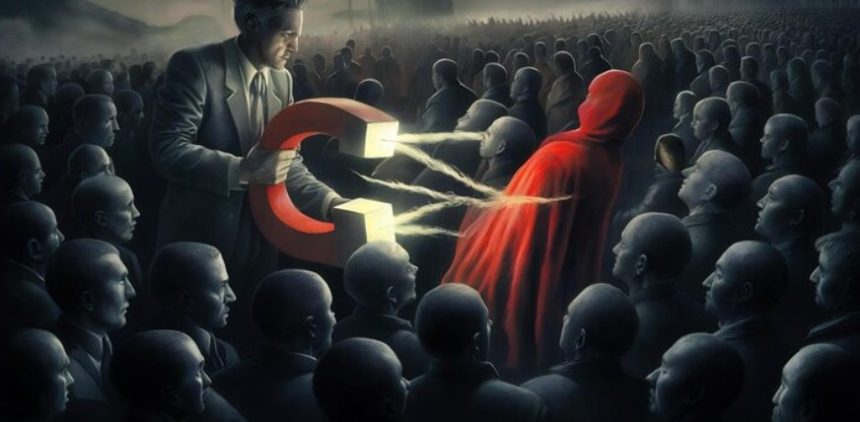
Behind Attraction and rejection often follow patterns that seem mysterious or even contradictory. We may be drawn to someone who is unavailable or feel repelled by someone who seems perfect on paper. The truth is that our brains and emotions operate on a complex blend of biological impulses, past experiences, and subconscious evaluations. Factors like personality, familiarity, confidence, perceived value, and even subtle social cues can influence who we feel drawn to—or pushed away from. Understanding this “strange logic” helps us make sense of relationships, recognize emotional patterns, and cultivate healthier, more conscious connections.
1. Familiarity Drives Comfort
We are naturally attracted to what feels familiar, even subconsciously. Traits, behaviors, or backgrounds that mirror those of people we’ve known—especially in childhood—create a sense of safety and predictability. This familiarity provides comfort, reducing uncertainty and making emotional connection easier. Rejection can occur when someone feels too foreign or different, as our minds instinctively seek patterns that feel “known” and secure.
2. Mystery Sparks Intrigue
People who are slightly unpredictable or mysterious trigger curiosity and excitement. The unknown engages our attention and creates a psychological pull, making us want to explore and understand the person better. This dynamic can enhance attraction because the brain perceives challenge and novelty as stimulating. On the other hand, overfamiliarity or predictability can lead to boredom and subtle rejection over time.
3. Confidence Attracts
Confidence signals security, competence, and self-assuredness—qualities that are universally appealing. A person who projects confidence often draws others effortlessly, even when logic or external factors suggest otherwise. Conversely, a lack of confidence or uncertainty may unconsciously signal instability, triggering subtle rejection cues and decreasing emotional interest.
4. Physical Chemistry Plays a Role
Beyond conscious choices, attraction is influenced by biology. Pheromones, posture, eye contact, and other nonverbal cues communicate compatibility at a subconscious level. Rejection can arise when these signals indicate a lack of alignment, even if conscious preferences suggest compatibility. Understanding that attraction has a biological component helps explain why our feelings sometimes seem irrational.
5. Past Experiences Shape Preferences
Our emotional history subtly informs who we are drawn to and who we push away. Childhood attachments, past relationships, and learned patterns influence our preferences, often unconsciously. This is why we may repeatedly seek similar personality types or respond to certain behaviors in predictable ways, sometimes attracting people who are ultimately unavailable or unsuited for us.
6. Emotional Availability Matters
Attraction is heavily influenced by emotional alignment. We are drawn to people whose emotional state mirrors our own. Someone emotionally closed off or unavailable can initially appear intriguing, creating a “challenge” effect. However, prolonged misalignment often triggers rejection, as the subconscious recognizes incompatibility in emotional depth, empathy, or capacity for connection.
7. Social Proof Influences Desire
Humans are social beings, and our attraction is affected by the perceptions of others. When a person is valued, admired, or desired by peers, it enhances their perceived desirability. Conversely, rejection can occur when social cues suggest a lack of interest or status, as our brains unconsciously evaluate social context as part of relational judgment.
8. Incompatibility Drives Rejection
Even when someone appears ideal on the surface, subtle differences in values, communication styles, or life goals can create unconscious rejection signals. The brain detects mismatches in compatibility before conscious awareness, explaining why attraction may fade over time despite initial interest or superficial appeal.
9. Timing Shapes Connections
Sometimes, attraction and rejection are less about the person and more about timing. Life circumstances, personal readiness, or emotional state can determine whether we feel drawn to someone or experience repulsion. Recognizing the influence of timing helps explain why relationships sometimes fail not because of the individuals involved, but because life’s context is not aligned.
10. Unconscious Signals Are Powerful
Nonverbal cues—microexpressions, tone of voice, gestures—convey attraction or disinterest long before words are spoken. These subtle signals influence how we respond to others, often dictating feelings of pull or rejection. Being aware of these unconscious dynamics allows us to interpret interactions more accurately and understand why relationships develop or falter in unexpected ways.
11. Emotional Triggers Influence Attraction
Certain experiences, words, or gestures can trigger memories or feelings that intensify attraction. These emotional triggers are often subconscious, reminding us of past connections, desires, or unresolved feelings. They explain why we sometimes feel drawn to someone inexplicably or react strongly to subtle cues.
12. Fear Can Fuel Attraction
Paradoxically, fear can heighten attraction. The nervousness and adrenaline experienced in high-stakes emotional situations can make someone seem more exciting or desirable. While this “thrill effect” is temporary, it can intensify initial interest, making the logic of attraction appear strange or contradictory.
13. Rejection Can Strengthen Desire
Psychologically, being rejected can paradoxically increase attraction. When someone is unavailable or indifferent, the brain interprets it as a challenge, sparking deeper curiosity and emotional investment. This explains why people often desire those who are difficult to reach, even if it isn’t in their best interest.
14. Cognitive Dissonance Shapes Choices
When our emotions and logic conflict—such as wanting someone unsuitable—our brains work to justify feelings. This cognitive dissonance can lead to confusing attraction patterns, making it difficult to understand why we feel drawn to certain individuals despite potential drawbacks.
15. Projection Alters Perception
We often project qualities we desire onto others, creating attraction based on imagined traits rather than reality. Rejection can occur when reality fails to match these projections, highlighting how our internal beliefs and expectations shape the people we are drawn to or pushed away from.
16. Scarcity Creates Value
Limited availability can heighten perceived desirability. When someone is scarce—emotionally, physically, or socially—the brain interprets that as valuable, intensifying attraction. Conversely, constant availability can reduce intrigue, subtly leading to rejection or decreased emotional investment.
17. Mirror Neurons Foster Connection
The brain’s mirror neuron system allows us to subconsciously mimic emotions, expressions, and gestures. This neurological process can increase attraction toward someone who resonates with us, while subtle misalignments can trigger unconscious rejection, reinforcing the complexity of interpersonal dynamics.
18. Attachment Styles Affect Attraction
Our attachment style—secure, anxious, or avoidant—shapes how we respond to others. Anxious hearts may be drawn to emotionally unavailable people, while avoidant individuals may reject those seeking closeness. Understanding this psychological framework explains much of the “strange logic” behind who we desire or push away.
19. Emotional Safety Determines Desire
Attraction is often stronger when a person feels emotionally safe yet stimulated. Rejection can occur when emotional risk feels too high or the connection feels unstable. The delicate balance between safety and challenge is a key factor in the psychology of relationships.
20. Subtle Power Dynamics Influence Choice
Power dynamics—real or perceived—play a major role in attraction and rejection. Individuals may be drawn to those who appear confident, competent, or influential, while rejecting those who seem passive or dependent. This subconscious evaluation of status and strength can make attraction patterns seem unpredictable or illogical.
21. Timing Influences Desire
Sometimes attraction or rejection is less about the person and more about when you meet them. Emotional readiness, life circumstances, or current priorities can determine whether someone feels compelling or repelling, showing how timing can make logic seem inconsistent.
22. Emotional Residue From Past Relationships
Previous experiences leave imprints that influence attraction. Hearts carry emotional residue—attachment patterns, unresolved feelings, or idealizations—that shape who we are drawn to, sometimes causing repeated patterns of desiring similar types of people.
23. Reciprocity Drives Connection
Humans are wired to respond to attention and care. Attraction is often stronger when it is reciprocated, while rejection can be triggered by perceived disinterest. Subtle signals of engagement or withdrawal are deeply influential, often guiding decisions unconsciously.
24. Mystery Can Mask Red Flags
Intrigue and mystery can make flaws less obvious initially. A person’s complexity can enhance attraction, while over time, awareness of incompatibilities may lead to rejection. This explains why initial chemistry can later shift to disinterest once reality emerges.
25. Confidence Versus Arrogance
While confidence attracts, arrogance repels. The distinction is subtle but powerful: self-assuredness signals competence and security, whereas overconfidence or disregard for others can trigger rejection. Understanding this helps explain why perception matters as much as behavior.
26. Hormonal and Biological Factors
Biology plays a critical role. Hormones, pheromones, and brain chemistry influence attraction, desire, and rejection. These factors can make emotional responses feel irrational, but they are part of the natural mechanisms guiding mate selection and interpersonal bonding.
27. Fear of Vulnerability
Some hearts reject potential partners because vulnerability feels unsafe. Attraction may exist, but the fear of emotional exposure or potential pain can override desire, demonstrating the interplay between emotional defense mechanisms and relational logic.
28. Idealization Creates Attachment
We often attach to the idea of a person rather than the reality. Idealization can fuel attraction, but rejection may occur when reality fails to meet expectations, revealing the mind’s tendency to construct emotional fantasies that guide behavior.
29. Emotional Contingencies Affect Desire
Our feelings are influenced by subtle contingencies—how someone treats us, responds to us, or fits into our emotional narrative. Attraction or rejection often hinges on these nuanced exchanges, making relational patterns appear mysterious or unpredictable.
30. Social and Cultural Conditioning
Cultural norms, societal expectations, and learned behavior shape who we find attractive or reject. Family values, peer influence, and media can all subtly guide preferences, adding another layer to the “strange logic” behind attraction and rejection.
31. Emotional Availability Influences Pull
We are often drawn to people whose emotional openness matches our own needs. Someone highly guarded may initially intrigue us, but prolonged emotional distance can trigger rejection, while genuine availability fosters deeper connection and attraction.
32. Scarcity Increases Desire
Limited access or rare availability can heighten attraction. When someone is hard to reach or emotionally elusive, the brain often interprets that as value or challenge, intensifying desire. Conversely, constant accessibility can diminish allure and even cause subtle rejection.
33. The Role of Unconscious Patterns
Our subconscious mind stores experiences, preferences, and fears, influencing attraction and rejection without conscious awareness. This explains why we sometimes feel inexplicably drawn to certain personalities or repeatedly repelled by similar traits.
34. Cognitive Bias Shapes Perception
Confirmation bias and selective attention affect how we interpret behaviors. We notice traits that align with expectations, either reinforcing attraction or triggering rejection. These biases can make relational logic appear inconsistent or mysterious.
35. Desire for Novelty
Humans are drawn to novelty and stimulation. Unique qualities, unfamiliar behaviors, or exciting experiences can spark attraction, while routine, predictability, or lack of stimulation can lead to emotional disengagement or rejection over time.
36. Mirror Neurons and Emotional Resonance
Our brains unconsciously mirror others’ emotions, gestures, and expressions. Emotional resonance strengthens attraction by creating a sense of shared experience, while dissonance or mismatch in emotional signals can trigger rejection even without explicit reasoning.
37. Compatibility in Communication
Communication style greatly affects attraction. People are often drawn to those who express themselves in ways that resonate with their own preferences. Misalignment in verbal, nonverbal, or emotional communication can create subtle rejection signals over time.
38. Unresolved Trauma Shapes Preferences
Past emotional wounds influence who we are drawn to and who we reject. Trauma can lead to repeated patterns of seeking unavailable or challenging individuals, reinforcing complex attraction-rejection cycles that often feel illogical.
39. Desire for Validation
We are often attracted to those who make us feel seen, appreciated, or valued. Conversely, rejection may occur when this emotional feedback is absent. The need for validation subtly guides relational decisions beyond conscious awareness.
40. Emotional Investment Reinforces Pull
The more energy and emotion we invest in someone, the stronger the pull toward them. Attachment is reinforced by shared experiences, intimacy, and memories, making it harder to disengage even when logical evaluation might suggest detachment.
41. Uncertainty Can Heighten Interest
Not knowing someone’s intentions or feelings can create a magnetic pull. The brain interprets uncertainty as a challenge, making the person more intriguing and desirable. Paradoxically, clarity or over-familiarity can sometimes lessen attraction.
42. Emotional Contingency Shapes Responses
Our attraction often depends on subtle emotional exchanges—how someone responds to us, aligns with our moods, or meets our unspoken needs. Tiny shifts in behavior can shift feelings from attraction to subtle rejection without us fully realizing why.
43. Perceived Value Affects Desire
People who are perceived as valuable—through social status, talent, confidence, or kindness—often attract more attention. Conversely, a perceived lack of value can trigger rejection, showing how subjective evaluation guides relational preferences.
44. Projection of Ideal Traits
We frequently project qualities we desire onto others. Attraction can emerge not from who someone truly is, but from the traits we imagine they possess. Rejection occurs when reality does not match these projections, highlighting the complexity of human desire.
45. Fear of Vulnerability Drives Avoidance
Even when we feel drawn to someone, fear of emotional exposure or potential pain can trigger rejection. Hearts often resist closeness until trust is established, explaining why attraction can coexist with hesitation.
46. Reciprocity Reinforces Bonds
Mutual interest strengthens attraction. When efforts, attention, and emotional investment are reciprocated, bonds deepen. A lack of reciprocity, however, can trigger subtle rejection signals, even if the initial attraction was strong.
47. Past Patterns Influence Choice
Repeated relational patterns—drawn from family, friendships, or previous romances—shape who we find appealing. These unconscious templates guide both attraction and rejection, often leading to familiar but complicated dynamics.
48. Subtle Power Dynamics Affect Desire
Perceived authority, independence, or social influence can make someone more attractive. Conversely, perceived weakness or lack of autonomy can trigger rejection. Our subconscious evaluates these dynamics in ways that often feel inexplicable.
49. Timing and Readiness
Even strong attraction may falter if the timing is off. Emotional readiness, personal growth, or life circumstances determine whether desire translates into connection or subtle rejection, showing how external factors shape relational logic.
50. Awareness Brings Clarity
Ultimately, understanding the strange logic behind attraction and rejection allows us to navigate relationships more consciously. Awareness of subconscious patterns, biological impulses, and emotional tendencies empowers us to make healthier, more intentional choices about connection, desire, and boundaries.