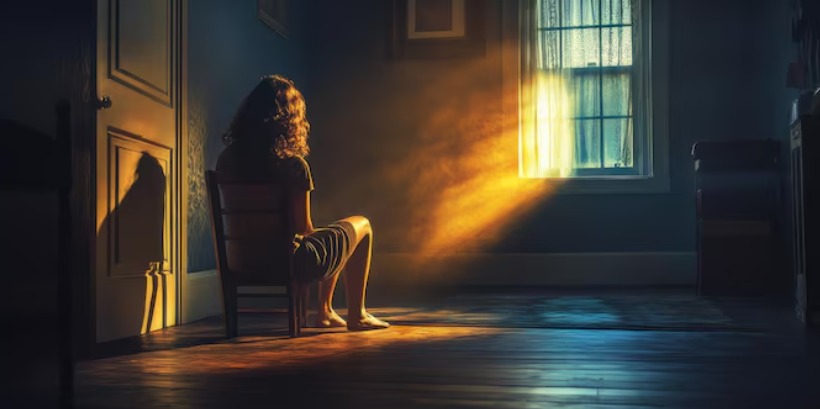
Empty rooms speak in ways that words often cannot. They carry echoes of the past, silence laden with meaning, and invisible traces of presence and absence. The language of empty rooms is subtle yet profound, conveying feelings of loss, solitude, reflection, and potential. Every corner, shadow, and echo holds a story waiting to be heard. By learning to listen to these silent spaces, we gain insight into memory, emotion, and the unspoken narratives that shape our inner lives. In their quiet, empty rooms, the mind finds a mirror of its own thoughts, revealing truths often obscured by noise and distraction.
1. Silence as Expression
Empty rooms speak most clearly through silence. The absence of sound allows the mind to tune into subtle cues—the faint creak of a floorboard, the shifting of light across a wall, the stillness in a corner. Silence becomes a language itself, inviting reflection, mindfulness, and heightened awareness. In these quiet spaces, the mind is forced to confront its own thoughts, memories, and emotions, discovering meaning in what is unspoken rather than what is said.
2. Memory Embedded in Space
Rooms hold invisible imprints of those who once occupied them. Every object, shadow, and wall seems to carry fragments of past presence: laughter, conversations, conflicts, and quiet contemplations. The language of empty rooms is thus inseparable from memory; it calls us to recognize impermanence, to reflect on relationships, and to appreciate the lingering emotional resonance that space can carry long after bodies have departed.
3. Shadows and Light as Storytellers
Light and shadow within empty rooms tell stories that words cannot capture. A beam of sunlight crossing the floor at dawn, or the dim gradient of evening shadows, can evoke nostalgia, solitude, or longing. By observing these changes, the mind learns to interpret subtle cues in the environment, translating spatial dynamics into emotional insight. Shadows are the punctuation of emptiness, and light, the voice that speaks of what was once present.
4. Emotional Resonance of Space
The architecture and emptiness of a room can evoke deep emotional responses. A wide, echoing hall may stir feelings of insignificance or awe, while a small, enclosed space might provoke comfort or confinement. The language of empty rooms reveals how spatial design and emptiness directly influence our mood, emotional depth, and sense of self, highlighting the silent dialogue between human consciousness and environment.
5. Echoes of Abandonment
Empty rooms often carry a haunting quality, the residue of absence. Footsteps fade into silence, furniture gathers dust, and objects hint at lives that once animated the space. These echoes communicate loss, transition, or neglect, creating a reflective mirror for the mind. Engaging with this language encourages contemplation of impermanence, letting go, and understanding the subtle ways absence shapes perception.
6. The Subtle Weight of Objects
Even the smallest objects in empty rooms speak volumes. A chair placed slightly askew, a book left open, or a forgotten cup silently narrates human habits, routines, and priorities. The language of empty rooms lies in the interplay of objects and emptiness, revealing the traces of care, neglect, or memory that inhabit a space without people.
7. Time as a Silent Presence
Empty rooms carry the weight of time. Dust settles, paint fades, and floorboards creak with age. This passage of time is audible to those who listen carefully, giving rooms a voice that speaks of continuity, decay, and transformation. Understanding this temporal language teaches the mind to perceive impermanence, to honor the present, and to recognize the transient beauty of existence.
8. Invitation to Introspection
Empty rooms compel introspection. Deprived of distraction, the mind turns inward, confronting thoughts, feelings, and unresolved tensions. The language of empty rooms encourages contemplation of identity, purpose, and emotional depth. In their quiet, they function as mirrors, reflecting inner landscapes with a clarity often absent in more populated environments.
9. The Presence of Absence
Absence is paradoxically present in empty rooms. Its weight is felt in the spaces once occupied, the echoes that linger, and the unfulfilled expectations that resonate silently. By attending to this presence of absence, the mind develops sensitivity to subtle emotional and environmental cues, learning that emptiness can be as meaningful as presence itself.
10. Liberation Through Listening
Finally, empty rooms offer liberation for those willing to listen. By attuning to their language—the interplay of silence, memory, light, shadow, and absence—the mind can release distractions, process emotion, and cultivate awareness. In the quiet dialogue of empty rooms, one discovers clarity, perspective, and the profound beauty of spaces unfilled, teaching lessons that no spoken conversation could convey.
11. The Quiet of Anticipation
Empty rooms can hum with potential, as if waiting for life to return. The space becomes a vessel for anticipation, and this quiet tension communicates readiness, expectation, and possibility. Listening to it sharpens awareness of both the external world and the mind’s internal rhythm, teaching patience and the subtle art of noticing.
12. Conversations of the Past
Rooms retain whispers of prior conversations, even when walls are silent. The echoes of laughter, arguments, or whispered secrets can resurface unexpectedly, shaping the emotional resonance of the space. The language of empty rooms is inseparable from these lingering dialogues, reminding us that memory and place are entwined, and that absence can speak volumes.
13. Emotional Architecture
The layout, height, and scale of a room influence mood and thought. High ceilings may evoke freedom or loneliness, while small, enclosed spaces may feel protective or constrictive. The way emptiness interacts with architecture forms an emotional grammar, a silent language that communicates comfort, tension, or introspection without a single word.
14. Echoes of Decision
Rooms often capture the residual energy of choices made within them. Decisions—whether trivial or life-altering—leave subtle marks in space: a chair moved, a window left open, a door ajar. These traces communicate history, influence perception, and invite reflection on the permanence and impermanence of human action.
15. The Weight of Solitude
Solitude in empty rooms can be both oppressive and liberating. The language of empty rooms conveys the dual nature of isolation, urging reflection on the mind’s relationship with itself. When embraced, this solitude becomes a teacher, revealing inner strengths, vulnerabilities, and hidden reservoirs of resilience.
16. The Subtlety of Absorbed Emotions
Emotions linger in spaces. Joy, sadness, anger, and love leave subtle imprints, influencing mood even in the absence of occupants. Empty rooms silently communicate these residues, reminding us that spaces are not neutral—they carry histories that touch the observer emotionally and psychologically.
17. Transitional Spaces
Rooms often exist between states—between occupancy and vacancy, action and stillness. This transitional nature communicates temporality, impermanence, and the rhythm of life. Attending to these transitional moments cultivates awareness of change, the fleeting nature of presence, and the silent lessons inherent in waiting spaces.
18. Patterns of Movement
Even when uninhabited, rooms retain the flow of past activity. Footprints, worn paths, and displaced objects suggest habitual movement and human patterns. Observing these traces allows the mind to interpret unspoken behaviors, reconstruct routines, and sense the invisible choreography of daily life.
19. The Language of Light
Natural and artificial light transforms empty rooms, shaping perception and emotion. Sunlight streaming through windows can awaken memory, cast shadows that suggest mystery, or highlight emptiness in stark clarity. The shifting patterns of light serve as a dynamic language, communicating temporality, mood, and unspoken narrative.
20. The Stillness of Waiting
Empty rooms often embody waiting—the silent pause before events, arrivals, or departures. This stillness communicates tension, expectation, and patience, offering a lesson in mindfulness. By attuning to these subtle signals, the mind learns to appreciate the spaces between action, finding richness in pause and quiet reflection.
21. Silent Testimony
Objects within empty rooms bear witness to the lives that once animated them. Each book, chair, or trinket silently testifies to human intention, care, or neglect. The language of empty rooms is partly encoded in these objects, revealing narratives, priorities, and histories without uttering a word.
22. Resonance of Memory
Rooms echo not only sound but also experience. Memory reverberates through space, influencing perception and emotional response. By engaging with these resonances, one can uncover hidden insights about the past, the self, and the interplay between human experience and environment.
23. The Poetry of Emptiness
Empty rooms have a poetic quality, where space, light, shadow, and silence converge. This poetry communicates subtly, shaping mood, inviting reflection, and evoking wonder. Attuning to this silent verse enriches perception, turning ordinary spaces into conduits of introspection and creative thought.
24. Walls as Witnesses
Walls silently observe life’s unfolding. They hold stories of triumph, despair, joy, and sorrow, absorbing the energy of events that occur within their bounds. The language of empty rooms includes these walls, which act as enduring witnesses, silently shaping the atmosphere and narrative of space.
25. The Pull of Nostalgia
Empty rooms often evoke nostalgia—the ache for moments past, people absent, or times irretrievably gone. Their language communicates through subtle cues, rekindling memory and emotion. Engaging with this nostalgia allows the mind to process loss, treasure memory, and appreciate the continuum of experience.
26. Invitation to Creation
Vacant spaces invite creativity. The language of empty rooms encourages imagination, reflection, and the projection of ideas. Artists, writers, and thinkers often find inspiration in emptiness, recognizing that absence provides a canvas for the mind to construct meaning, narrative, and vision.
27. Emotional Weight of Absence
Absence in empty rooms carries emotional gravity. The missing presence of people, objects, or life itself resonates subtly, influencing thought and feeling. By attending to this weight, the mind learns sensitivity to absence, cultivating empathy, awareness, and a deeper appreciation for presence.
28. Thresholds of Transition
Doorways, corridors, and openings mark thresholds. Empty rooms emphasize these transitions, silently communicating passage, opportunity, and change. The language of empty rooms teaches that boundaries, thresholds, and spaces in-between are as significant as the spaces themselves, shaping perception and emotional flow.
29. Layers of Experience
Empty rooms contain layers of lived experience—moments stacked invisibly over time. Each layer contributes to the room’s language, influencing mood, perception, and memory. Awareness of these layers allows reflection on temporal depth, human impact, and the subtle ways environments carry meaning.
30. Listening as Engagement
Finally, the language of empty rooms requires active listening. Observing silence, light, shadow, objects, and echoes engages the mind fully, cultivating awareness, empathy, and reflection. By listening, we transform emptiness into insight, discovering the profound capacity of space to teach, mirror, and reveal the self.