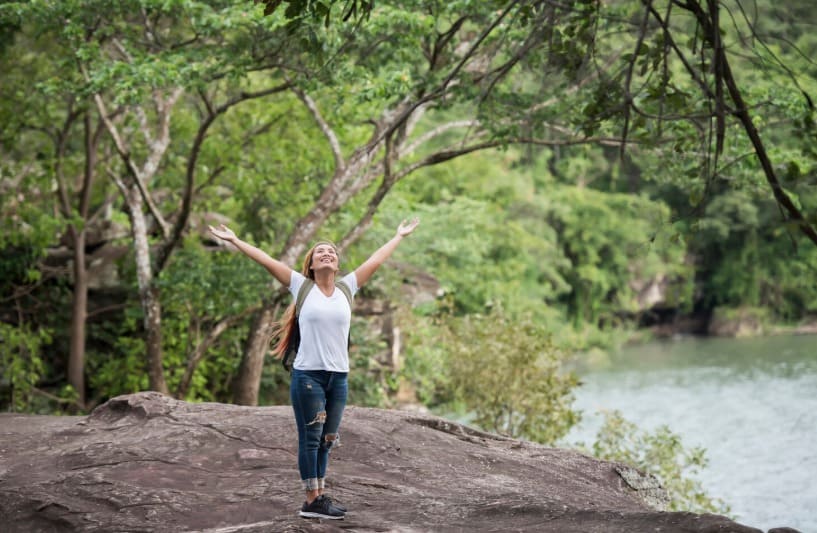
In our fast-paced, technology-driven lives, taking time to connect with nature has become more essential than ever. The healing power of spending time outdoors goes beyond simple relaxation—it can reduce stress, improve mood, enhance focus, and strengthen both body and mind. From walking in a forest to sitting by a river, outdoor experiences have measurable benefits supported by science and real-life experiences. In this blog, we’ll explore how nature heals, why it impacts our mental and physical health so profoundly, and how incorporating outdoor time into your routine can transform your overall well-being. By the end, you’ll see that stepping outside isn’t just a leisure activity—it’s a powerful tool for holistic health.
The Healing Power of Spending Time Outdoors – Long Descriptions
1. Reduces Stress Hormones
Spending time outdoors naturally lowers cortisol levels, the hormone associated with stress. Even a short walk in a park, surrounded by trees and fresh air, can calm your nervous system. Imagine walking along a forest trail after a stressful day at work—the rustle of leaves and chirping birds gradually slows your heartbeat, your mind quiets, and tension in your shoulders melts away. Over time, regular exposure to nature trains your body to handle stress more effectively, reducing anxiety and enhancing resilience against daily pressures.
2. Boosts Mental Clarity
Time in nature refreshes the mind and improves focus, especially after hours of screen time or mentally demanding work. For example, a student stuck on a challenging assignment may feel frustrated and mentally exhausted. Taking a short walk by a river or sitting in a park allows the mind to wander freely, unclutter thoughts, and return to tasks with renewed clarity. This mental “reset” helps with problem-solving, decision-making, and creativity, making outdoor breaks essential for productivity and focus.
3. Enhances Mood
Sunlight triggers serotonin production, the chemical responsible for mood regulation. Spending time outdoors, even for 15–30 minutes, can naturally elevate your mood and combat feelings of depression or anxiety. Picture waking up on a cloudy morning feeling sluggish, then stepping outside to soak in the morning sun, breathing deeply. The warmth and light energize your body and mind, and by the time you return indoors, you feel lighter, happier, and more optimistic about the day ahead.
4. Strengthens the Immune System
Outdoor environments expose you to beneficial microbes, fresh air, and vitamin D from sunlight—all of which boost immunity. Think of someone taking a weekend hike through a forest: the combination of fresh air, moderate exercise, and natural exposure supports white blood cell production and strengthens defense against illness. Over time, regular outdoor activity reduces the frequency of common colds and improves overall resilience, showing that nature plays a key role in maintaining physical health.
5. Improves Sleep Quality
Exposure to natural light regulates circadian rhythms, helping you fall asleep faster and enjoy deeper, more restorative sleep. For example, someone who spends the day mostly indoors may struggle to sleep at night due to insufficient sunlight exposure. By spending time outdoors in the morning or afternoon—walking, jogging, or gardening—the body receives cues to regulate melatonin production, making sleep patterns more consistent and restful. Over weeks, this improves energy, mood, and cognitive function.
6. Encourages Physical Activity
Being outdoors naturally involves movement, which benefits muscles, bones, and cardiovascular health. Whether it’s walking along a beach, hiking in the mountains, or cycling through a park, outdoor activity often feels effortless compared to structured exercise indoors. For instance, a family spending a weekend camping may cover several miles of trails without noticing, improving fitness while bonding emotionally. The combination of fresh air, scenery, and physical movement makes outdoor exercise more enjoyable and sustainable.
7. Reduces Anxiety
Nature provides a calming environment that quiets racing thoughts. Imagine sitting by a gentle river, hearing the water flow and birds sing—your mind shifts focus from worries to your surroundings. Studies show that green spaces reduce symptoms of generalized anxiety, promoting relaxation. Even a 10–15 minute walk outdoors can reduce tension, lower heart rate, and help you approach challenges with a calmer mindset, demonstrating the therapeutic power of nature.
8. Enhances Creativity
Being in natural settings stimulates imagination and problem-solving abilities. For example, a writer struggling with a plot twist may take a walk through a park or along the shore. Observing the movement of water, patterns of leaves, and rhythms of wildlife sparks new ideas, perspectives, and inspiration. Similarly, outdoor brainstorming sessions can generate more innovative solutions than indoor meetings, showing that nature stimulates creative thinking by giving the brain space to wander and make new connections.
9. Promotes Mindfulness
Nature encourages you to slow down and be present. Walking barefoot on grass, listening to the wind, or noticing subtle details like a flower’s color or a bird’s call engages your senses fully. Imagine sitting quietly in a meadow, focusing only on the sights, sounds, and scents around you—stressful thoughts fade, and your awareness of the present moment strengthens. Mindfulness cultivated outdoors reduces anxiety, improves focus, and fosters a deeper sense of appreciation for life.
10. Supports Emotional Healing
Outdoor experiences provide space for reflection and processing emotions. For instance, someone grieving the loss of a loved one may find solace sitting under a tree, journaling, or observing flowing water. Nature offers quiet, uninterrupted time to acknowledge feelings, gain perspective, and release emotional tension. Over time, regular outdoor retreats act as a form of therapy, helping individuals process grief, stress, and trauma in a safe and nurturing environment.
11. Improves Eye Health
Spending time in natural light reduces eye strain from screens and supports healthy vision development, especially in children. For example, a child playing outdoors after school not only gets exercise but also reduces myopia risk associated with prolonged indoor study or screen use. Exposure to varying distances, natural colors, and sunlight strengthens eye muscles, illustrating that outdoor time is essential for both visual health and overall well-being.
12. Fosters Social Connection
Nature encourages social bonding through shared activities. Families, friends, or couples engaging in picnics, hikes, or outdoor games naturally strengthen relationships. For instance, a weekend hike with friends creates shared memories, laughter, and teamwork opportunities, deepening emotional bonds in a way that indoor gatherings often cannot. Social support developed outdoors also improves mental health and resilience.
13. Reduces Blood Pressure
Green spaces and outdoor activity can naturally lower blood pressure. For example, seniors walking through botanical gardens or parks experience calmer heart rates and reduced tension. Nature’s calming effect on the autonomic nervous system helps regulate blood pressure, improving cardiovascular health over time and demonstrating the physiological benefits of spending time outdoors.
14. Boosts Self-Esteem
Accomplishing physical challenges in nature, like completing a trail or climbing a hill, improves confidence and self-perception. For example, someone struggling with motivation may find pride and empowerment after finishing a moderate hike, realizing they are capable of more than they thought. This boost in self-esteem extends into other areas of life, enhancing overall resilience and mental strength.
15. Promotes Spiritual Well-Being
Natural environments often inspire reflection, gratitude, and a sense of connectedness beyond oneself. Sitting by a quiet lake or watching a sunrise can evoke feelings of awe and perspective. People often report that these moments help them reevaluate priorities, deepen gratitude, and experience spiritual growth, illustrating that outdoor time nurtures more than just the body—it nourishes the soul.
16. Increases Energy Levels
Exposure to sunlight, fresh air, and gentle movement outdoors naturally increases vitality. A morning walk in a park or light gardening session often leaves people feeling more energized than a cup of coffee. Nature recharges the body, improves oxygen flow, and stimulates mood-regulating hormones, giving a natural boost to start the day productively.
17. Reduces Rumination
Nature provides a mental break from repetitive, negative thoughts. Walking through a forest or sitting by a beach helps shift attention from internal worries to external sensory input. For instance, someone anxious about work deadlines may find that focusing on the rustling leaves or the sound of waves interrupts overthinking and provides clarity, helping the mind reset.
18. Encourages Healthy Risk-Taking
Outdoor activities like kayaking, rock climbing, or trail running build courage and resilience. Attempting a challenging climb or crossing a river under supervision encourages calculated risk-taking, boosting confidence and problem-solving abilities. These experiences translate to everyday life, teaching individuals to face challenges with preparedness and optimism.
19. Supports Cognitive Development in Children
Time outdoors encourages curiosity, exploration, and problem-solving in children. Playing in nature involves complex thinking—navigating terrain, imagining games, and interacting socially. Studies show that children who regularly spend time outside develop better focus, creativity, and emotional regulation than those confined indoors.
20. Provides Natural Stress Relief for Employees
Workplace wellness is enhanced when employees take outdoor breaks. For instance, a mid-day walk in a park or simply sitting outside during lunch improves mood, reduces mental fatigue, and increases productivity. Companies that encourage outdoor breaks often see lower burnout rates, demonstrating that time in nature is a practical tool for workplace well-being.
21. Strengthens Relationships
Spending time outdoors with loved ones strengthens bonds through shared experiences. Whether it’s hiking, camping, or playing sports, nature encourages cooperation, teamwork, and laughter. For example, a couple hiking together must communicate to navigate trails and support each other physically. This shared effort creates memories, trust, and a deeper emotional connection that indoor activities rarely replicate.
22. Encourages Gratitude
Nature inspires appreciation for life’s simple pleasures—the sun warming your skin, birdsong, or the smell of fresh rain. Observing these details encourages mindfulness and gratitude. For instance, walking through a blooming garden after a stressful week can shift perspective, making challenges feel more manageable and promoting mental well-being.
23. Enhances Sensory Awareness
Being outdoors engages all senses—sight, sound, smell, touch, and even taste. Imagine feeling grass underfoot, hearing a stream, smelling pine, and tasting fresh air on a mountain hike. This sensory engagement keeps the brain alert, improves observation skills, and reconnects people with the world in ways that technology and indoor environments rarely allow.
24. Promotes Patience and Presence
Nature operates on its own rhythms, teaching patience. Watching a sunset, waiting for waves, or observing a growing plant encourages slowing down and being present. For example, gardening requires tending, watering, and waiting for growth. This slow pace fosters patience, reduces impulsive behavior, and nurtures emotional balance.
25. Reduces Mental Fatigue
Outdoor environments restore attention by providing “soft fascination” that gently engages the mind without mental strain. For example, walking along a wooded trail allows the brain to relax from constant analytical thinking, restoring focus for work, study, or problem-solving. Over time, regular exposure prevents burnout and enhances mental clarity.
26. Boosts Endorphins Naturally
Physical activity outdoors triggers endorphin release, improving mood and creating a natural “high.” For instance, running along a beach or cycling through a forest trail not only strengthens the body but produces lasting happiness, reducing reliance on artificial stimulants like caffeine or sugar.
27. Encourages Reflection and Self-Discovery
Spending time outdoors provides a mental space for introspection. Sitting under a tree or watching a flowing river encourages reflection on personal goals, values, and priorities. For example, someone considering a career change may gain clarity and inspiration during a long hike, using nature as a mirror for self-discovery.
28. Enhances Problem-Solving Skills
Nature challenges—like uneven terrain, navigation, or weather conditions—encourage creative solutions. For example, campers improvising shelter during unexpected rain develop adaptability and resilience. These skills translate to daily life, making individuals more capable of handling unexpected challenges.
29. Strengthens Respiratory Health
Breathing fresh air outdoors improves lung function and oxygen intake. People with asthma or respiratory fatigue often notice improvement when regularly exposed to clean air in forests or coastal areas, compared to indoor or polluted environments.
30. Reduces Symptoms of Depression
Research shows that spending time in green spaces alleviates mild to moderate depressive symptoms. For example, someone struggling with low mood may feel uplifted after walking through a park or tending a garden, thanks to natural light, exercise, and sensory engagement.
31. Encourages Exploration and Curiosity
Nature stimulates curiosity by presenting ever-changing landscapes and wildlife. Children and adults alike explore, question, and discover patterns, enhancing cognitive flexibility. For instance, observing a new bird species during a hike can spark curiosity and excitement, promoting learning in a hands-on way.
32. Improves Balance and Coordination
Navigating trails, climbing rocks, or walking on uneven terrain strengthens muscles and improves coordination. For example, a person hiking in the mountains must adjust steps constantly, training balance naturally and reducing fall risk over time.
33. Provides a Sense of Adventure
Outdoor experiences offer excitement and novelty that boost adrenaline safely. For example, kayaking on a river, trying a new trail, or camping overnight fosters adventure, confidence, and the feeling of truly living in the moment.
34. Encourages Digital Detox
Spending time outdoors encourages disconnecting from screens, social media, and constant notifications. A weekend camping trip or forest walk allows the mind to rest, reducing overstimulation and promoting mental calmness.
35. Promotes Emotional Resilience
Challenges in outdoor activities—like sudden rain or difficult hikes—teach coping and adaptability. For instance, completing a long trek despite obstacles strengthens confidence and the ability to handle stress in everyday life.
36. Supports Cardiovascular Health
Outdoor physical activity, like walking, jogging, or cycling, improves heart health naturally. Fresh air, sunlight, and varied terrain enhance circulation, reduce heart strain, and improve long-term cardiovascular outcomes.
37. Provides Natural Inspiration
Nature inspires creativity, art, and problem-solving. Writers, painters, and musicians often find fresh ideas while outdoors. For example, watching waves crash against rocks may inspire a poem or a painting, demonstrating nature’s ability to spark imagination.
38. Encourages Healthy Routine Formation
Spending time outdoors regularly creates structure in daily life. Morning walks, evening park visits, or weekend hikes encourage consistency, which improves physical health, mood, and productivity.
39. Reduces Social Isolation
Engaging in outdoor group activities—like team sports, community gardening, or nature classes—builds social connections and combats loneliness. For example, joining a weekend hiking group fosters friendships and a sense of belonging.
40. Provides Opportunities for Play
Outdoor environments encourage spontaneous, joyful play that reduces stress and improves emotional regulation. Children playing tag in a park or adults participating in recreational sports experience laughter, bonding, and natural stress relief.
41. Promotes Sustainable Lifestyle Awareness
Spending time in natural settings increases awareness of environmental issues and encourages eco-friendly habits. For example, hikers witnessing polluted rivers may feel motivated to reduce waste or volunteer for cleanup efforts.
42. Enhances Patience and Long-Term Planning
Gardening, fishing, or hiking teach that results take time and effort. For instance, planting seeds requires waiting for growth, fostering patience and long-term thinking—skills applicable to personal and professional life.
43. Reduces Negative Thought Patterns
Nature interrupts rumination and obsessive thinking. For example, focusing on natural elements like the texture of bark, birds in flight, or flowing water shifts attention outward, calming overactive minds and promoting mental clarity.
44. Encourages Physical Endurance
Challenging outdoor activities build stamina over time. Hiking, climbing, or swimming outdoors gradually strengthens muscles and cardiovascular endurance, improving overall health naturally.
45. Increases Exposure to Natural Vitamin D
Sunlight exposure outdoors increases vitamin D levels, essential for bone health, immunity, and mood regulation. Regular morning or afternoon outdoor time helps maintain optimal vitamin D without supplements.
46. Improves Mind-Body Connection
Activities like hiking, yoga, or walking in nature help synchronize physical movement and mental focus. For example, mindful walking through a forest enhances awareness of breath, steps, and surroundings, fostering holistic well-being.
47. Encourages Reflection on Priorities
Quiet time outdoors allows reassessment of life goals and values. Sitting by a lake or under a tree gives mental space to consider what truly matters, helping align daily actions with personal values.
48. Builds Confidence Through Achievement
Completing outdoor challenges, like long hikes or climbing obstacles, instills a sense of achievement. For example, finishing a difficult trail after doubts strengthens self-belief and motivation in other life areas.
49. Promotes Connection With the Environment
Spending time outdoors fosters respect and appreciation for the natural world. People develop a sense of stewardship, enhancing well-being and fulfillment.
50. Offers Long-Term Health Benefits
Regular outdoor exposure combines physical activity, mental restoration, social connection, and vitamin D intake, reducing chronic disease risk and improving life expectancy. For example, people who integrate daily walks in parks report higher energy, lower stress, and better overall health.
Conclusion
The healing power of spending time outdoors is vast and multifaceted. From reducing stress and anxiety to boosting creativity, building relationships, and improving physical health, nature offers solutions that modern medicine and indoor lifestyles often cannot replicate. Making outdoor time a regular part of life is not just a luxury—it’s essential for holistic wellness, helping the mind, body, and spirit thrive.