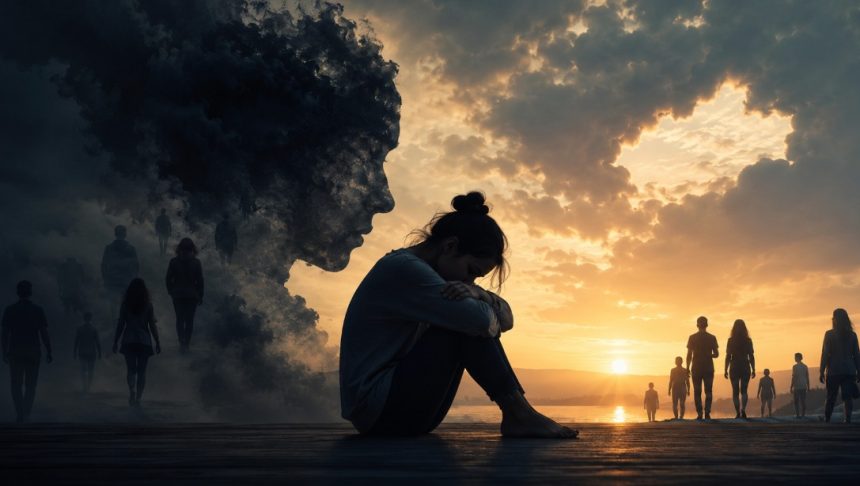
Emotions shape nearly every decision we make, every relationship we build, and every memory we carry. Yet despite living with emotions every day, many people misunderstand some of the most powerful feelings they experience. Certain emotions are often mistaken for weakness, confusion, or even irrational behavior when they are actually signals pointing toward deeper needs, unresolved experiences, and important truths about ourselves. Understanding these emotions can transform the way we see our relationships, our struggles, and our personal growth. Among all human feelings, there is one emotion that stands out as being consistently misunderstood, judged, and misinterpreted. Exploring its true meaning reveals not only how the mind works but also why so many people feel disconnected from themselves and others.
1. People Often Confuse Sadness With Weakness
One of the biggest misunderstandings about emotions is the belief that sadness is a sign of weakness. Many people grow up hearing phrases like “be strong,” “don’t cry,” or “move on,” which teaches them to suppress sadness rather than understand it. In reality, sadness is a natural emotional response to loss, disappointment, change, or unmet expectations. It helps us process experiences that matter deeply to us. Without sadness, people would struggle to recognize what they value and care about. Rather than being a weakness, sadness demonstrates emotional awareness and the ability to connect with meaningful experiences. Those who allow themselves to feel sadness often heal more effectively than those who constantly avoid it.
2. Sadness Is Often Mistaken for Depression
While sadness and depression can appear similar, they are not the same thing. Sadness is a temporary emotional state that usually arises in response to specific events. Depression, on the other hand, is a more persistent mental health condition that affects thoughts, emotions, energy levels, and daily functioning. Because people often use these terms interchangeably, normal emotional experiences are frequently misunderstood. Feeling sad after a breakup, failure, or loss does not automatically mean someone is depressed. Understanding this distinction allows people to accept their emotions without immediately assuming something is wrong with them. Sadness is often a healthy response to life’s challenges.
3. Sadness Encourages Emotional Healing
Many people see sadness as an emotion that should be eliminated as quickly as possible. However, sadness often serves an important healing function. When individuals experience painful events, sadness encourages reflection and emotional processing. It allows people to slow down, acknowledge what happened, and gradually adapt to new circumstances. Trying to avoid sadness can sometimes prolong emotional pain because unresolved feelings tend to resurface later. Accepting sadness creates space for healing and personal growth. It acts as an emotional signal that something significant has occurred and deserves attention.
4. Society Rewards Happiness More Than Honesty
Modern culture often promotes the idea that happiness should be the ultimate goal at all times. Social media, advertising, and even personal development advice frequently emphasize positivity while ignoring the value of difficult emotions. As a result, many people feel pressured to appear happy even when they are struggling internally. This creates a misunderstanding that sadness is undesirable or unacceptable. In reality, emotional honesty is often healthier than forced positivity. A person who acknowledges sadness is usually more authentic than someone who constantly pretends everything is perfect. Genuine emotional experiences include both joy and sorrow.
5. Sadness Strengthens Human Connections
When people experience sadness, they often become more open to seeking support and understanding from others. This emotional vulnerability can strengthen relationships and deepen trust. Friends, family members, and partners frequently connect more meaningfully during difficult moments than during easy ones. Unfortunately, because sadness is often viewed negatively, many individuals hide it from those around them. By doing so, they miss opportunities for genuine connection. Sadness reminds people that they are not meant to navigate life’s challenges alone. Shared emotional experiences often create some of the strongest bonds between individuals.
6. Sadness Helps People Understand Themselves
Difficult emotions often reveal important truths about personal values, goals, and desires. When someone feels sad, the emotion may be highlighting something meaningful that has been lost, neglected, or threatened. For example, sadness after the end of a friendship may reveal how much that relationship mattered. Sadness after a missed opportunity may reveal a deeply held ambition. Instead of viewing sadness as an obstacle, it can be seen as a source of self-awareness. Paying attention to what triggers sadness often provides valuable insights into what truly matters in life.
7. Avoiding Sadness Can Create Bigger Problems
Many people spend enormous amounts of energy trying to avoid sadness through distractions, constant busyness, or unhealthy coping mechanisms. While these strategies may provide temporary relief, they rarely address the underlying emotional experience. Unprocessed sadness can sometimes contribute to stress, irritability, emotional numbness, or relationship difficulties. Facing sadness directly is often uncomfortable, but it prevents emotional issues from accumulating over time. Learning to sit with difficult feelings can increase resilience and emotional maturity. What is avoided today often returns tomorrow with greater intensity.
8. Sadness Can Inspire Growth and Change
Some of life’s most important transformations begin with sadness. People often reevaluate their priorities, make significant life changes, or develop greater wisdom after experiencing emotional pain. Sadness can motivate individuals to seek healthier relationships, pursue meaningful goals, or develop stronger coping skills. Although painful in the moment, difficult emotions frequently serve as catalysts for personal growth. Many people later realize that experiences that once caused deep sadness ultimately helped them become stronger, wiser, and more compassionate versions of themselves.
9. Sadness Increases Compassion for Others
People who have experienced sadness often become more empathetic toward the struggles of others. Personal emotional pain can create a deeper understanding of human vulnerability and suffering. This understanding allows individuals to offer support without judgment and to recognize that everyone faces challenges at some point in life. Sadness reminds people of their shared humanity. Rather than separating individuals, it often creates a sense of connection and compassion. Those who understand their own sadness are often better equipped to understand the emotions of others.
10. Sadness Is Part of a Complete Human Life
Perhaps the greatest misunderstanding about sadness is the belief that a fulfilling life should be free from it. Every meaningful experience carries the possibility of loss, disappointment, or change. The ability to feel sadness is closely connected to the ability to love, care, hope, and dream. A life without sadness would also be a life without deep emotional attachment. Instead of viewing sadness as an enemy, it can be understood as an essential part of the human experience. It gives depth to happiness, meaning to relationships, and perspective to life’s journey. When people stop fighting sadness and begin understanding it, they often discover that it has valuable lessons to teach.
11. Sadness Helps People Appreciate Happiness
Many people fail to recognize that sadness and happiness are connected. Without moments of sadness, happiness can lose much of its meaning and impact. Human beings often appreciate joy more deeply after experiencing hardship, loss, or disappointment. Difficult emotional periods create contrast, allowing positive experiences to feel richer and more significant. A person who has struggled through loneliness may appreciate companionship more intensely. Someone who has endured failure may value success more profoundly. Sadness does not diminish happiness; in many ways, it enhances our ability to recognize and cherish it.
12. Sadness Is Not Always Caused by Something Negative
People often assume sadness must have a clear and dramatic cause, but emotions are rarely that simple. Sometimes sadness appears during periods of reflection, major life transitions, or even moments that are objectively positive. Graduating from school, moving to a new city, getting married, or achieving a long-term goal can all trigger sadness because they involve endings as well as beginnings. This emotional complexity confuses many people. They believe they should only feel gratitude or excitement, not realizing that multiple emotions can exist at the same time. Sadness often accompanies change because change requires letting go of something familiar.
13. Sadness Reveals Emotional Depth
The intensity of sadness often reflects the depth of a person’s attachment, care, or commitment. People grieve deeply because they loved deeply. They feel disappointment because they invested effort and hope. They experience heartbreak because a relationship mattered. Instead of viewing sadness as evidence of fragility, it can be seen as evidence of emotional depth. The capacity to feel deeply is one of the qualities that makes human relationships meaningful. Sadness reminds us that our emotions are connected to things that truly matter in our lives.
14. People Often Judge Sadness Too Quickly
When someone appears sad, others may immediately try to fix the situation, offer solutions, or encourage them to “cheer up.” While these responses are usually well-intentioned, they can unintentionally communicate that sadness is unacceptable. Sometimes people do not need immediate solutions; they need understanding and patience. Sadness is often a process rather than a problem. Allowing someone to express difficult emotions without judgment can be more helpful than trying to eliminate those emotions right away. Understanding often provides more comfort than advice.
15. Sadness Encourages Reflection
In a fast-paced world filled with distractions, sadness often causes people to pause and reflect. During emotionally difficult periods, individuals frequently evaluate their choices, relationships, priorities, and future goals. This reflective process can lead to important personal insights that might never emerge during constant activity and excitement. Sadness creates a space where deeper questions can be explored. Although reflection can sometimes be uncomfortable, it often contributes to greater self-awareness and wiser decision-making. Some of life’s most valuable lessons emerge during moments of emotional difficulty.
16. Sadness Is a Universal Human Experience
One reason sadness is misunderstood is that people often believe they are alone in feeling it. Social media and public appearances frequently show only the positive aspects of life, creating the illusion that others are happier or more successful. In reality, sadness is one of the most universal emotions shared by humanity. Every person experiences disappointment, loss, uncertainty, and emotional pain at some point. Recognizing this shared experience can reduce feelings of isolation and remind people that sadness is not a personal failure but a natural part of being human.
17. Emotional Strength Includes Feeling Sadness
Many individuals define strength as the ability to remain unaffected by difficult emotions. However, true emotional strength often involves acknowledging and managing those emotions rather than denying them. It takes courage to confront painful feelings honestly. Avoidance may seem easier in the short term, but facing sadness directly requires resilience and self-awareness. Emotionally strong people are not those who never feel sadness; they are those who allow themselves to experience it while continuing to move forward. Strength and vulnerability are often more closely connected than people realize.
18. Sadness Can Improve Creativity
Throughout history, many artists, writers, musicians, and creators have transformed sadness into meaningful works of expression. Difficult emotions often encourage deeper thinking, imagination, and self-exploration. While sadness is not required for creativity, it can provide powerful material for artistic expression. Creative activities such as writing, painting, music, and storytelling allow people to process emotions in constructive ways. Through creativity, sadness can be transformed into something meaningful that connects with and inspires others. This is one reason emotional experiences often play a central role in art and culture.
19. Sadness Teaches Patience
Modern culture frequently encourages quick solutions and immediate results, but emotional healing rarely follows a strict timeline. Sadness teaches patience by reminding people that some experiences require time to process. Certain wounds cannot be rushed, and certain losses cannot be instantly overcome. Learning to be patient with emotional recovery helps individuals develop greater compassion for themselves and others. Instead of expecting immediate relief, people can learn to trust that healing often occurs gradually. Patience becomes an important skill that supports long-term emotional well-being.
20. Understanding Sadness Leads to Emotional Freedom
The greatest misunderstanding about sadness may be the belief that it should always be avoided. When people stop viewing sadness as an enemy and begin understanding its purpose, they often experience greater emotional freedom. They become less afraid of difficult feelings and more capable of handling life’s challenges. Rather than controlling every emotion, they learn to listen to what those emotions are communicating. Sadness becomes not a sign of failure but a source of wisdom, growth, and self-discovery. By accepting sadness as a natural and valuable part of life, people develop a healthier and more balanced relationship with their emotions, ultimately leading to greater resilience and inner peace.
21. Sadness Helps People Develop Gratitude
One of the unexpected gifts of sadness is its ability to deepen gratitude. When people experience loss, disappointment, or difficult challenges, they often gain a clearer understanding of what truly matters in life. Things that once seemed ordinary—such as friendships, family support, good health, or peaceful moments—begin to feel more valuable. Sadness strips away distractions and highlights what deserves appreciation. While no one enjoys emotional pain, many people discover that difficult experiences help them recognize blessings they previously overlooked. Gratitude born from hardship is often stronger and more enduring than gratitude that comes easily.
22. Sadness Reminds Us That We Care
Every emotion serves a purpose, and sadness often communicates that something important has been affected. People feel sad because they care. They care about relationships, dreams, opportunities, memories, and the people around them. If something had no value, its loss would not create sadness. This emotion acts as evidence of emotional investment. Rather than seeing sadness as a weakness, it can be viewed as proof that a person has loved, hoped, trusted, or committed themselves to something meaningful. In this way, sadness reflects the importance of what has been lost or changed.
23. Sadness Can Increase Emotional Intelligence
People who learn to understand sadness often become more emotionally intelligent. Instead of reacting impulsively to emotions, they begin recognizing emotional patterns, triggers, and underlying needs. This awareness helps them communicate more effectively and respond to challenges with greater wisdom. Emotional intelligence is not about avoiding difficult feelings; it is about understanding them. Sadness offers valuable opportunities to practice self-reflection and emotional awareness. Over time, this understanding improves relationships, decision-making, and overall well-being.
24. Sadness Reveals the Temporary Nature of Life
One reason sadness feels so powerful is because it reminds people that life is constantly changing. Relationships evolve, opportunities come and go, and circumstances rarely remain the same forever. While this reality can feel uncomfortable, it also encourages people to appreciate the present moment. Sadness often emerges when people recognize the passing of time or the end of a meaningful chapter. Although these experiences can be painful, they also teach valuable lessons about acceptance and the importance of living fully in the present rather than taking life for granted.
25. Sadness Helps Build Resilience
Resilience is often misunderstood as avoiding hardship, but true resilience develops through facing challenges and recovering from them. Sadness plays a significant role in this process. Each time people navigate emotional difficulties, they gain experience, perspective, and confidence in their ability to cope. While sadness can feel overwhelming in the moment, overcoming difficult periods often reveals strengths that were previously unknown. Over time, these experiences build emotional endurance and prepare individuals to handle future challenges more effectively.
26. Sadness Encourages Authentic Living
Many people spend years trying to meet expectations imposed by society, family, or peers. Sometimes sadness emerges when a person’s life no longer aligns with their true values and desires. This emotion can act as an internal signal that something needs attention or change. It may encourage individuals to leave unhealthy situations, pursue meaningful goals, or reconnect with neglected passions. In this sense, sadness can serve as a guide toward a more authentic life. It pushes people to examine whether they are living according to their genuine needs rather than external pressures.
27. Sadness Creates Opportunities for Growth in Relationships
Relationships are often strengthened not during easy times but during moments of vulnerability and challenge. Sadness can encourage honest conversations, emotional openness, and deeper understanding between people. When individuals share their struggles and receive compassion in return, trust grows stronger. Difficult emotional experiences often reveal who is truly supportive and dependable. As a result, sadness can help relationships become more genuine and meaningful. It allows people to connect beyond surface-level interactions and build stronger emotional bonds.
28. Sadness Teaches Acceptance
One of the most valuable lessons sadness offers is acceptance. Not every problem has a perfect solution, and not every loss can be reversed. Sometimes healing begins when people stop fighting reality and start accepting it. Acceptance does not mean giving up or pretending that painful experiences are enjoyable. Instead, it means acknowledging what has happened and choosing to move forward despite it. Sadness often guides individuals toward this understanding, helping them release unrealistic expectations and find peace with circumstances they cannot control.
29. Sadness Can Lead to Greater Wisdom
Life experience often becomes wisdom when people take time to learn from their challenges. Sadness encourages this learning process by prompting reflection and self-examination. Individuals frequently emerge from difficult emotional periods with a deeper understanding of themselves, others, and life itself. They become more patient, compassionate, and realistic about the complexities of human experience. The lessons gained through sadness often remain long after the emotional pain has faded. These insights contribute to personal growth and a more balanced perspective on life.
30. The True Meaning of Sadness Is Often Misunderstood
Ultimately, the emotion most people misunderstand is not something to fear or avoid—it is something to understand. Sadness is not merely an unpleasant feeling that disrupts happiness. It is a meaningful emotional response that helps people process loss, recognize what matters, strengthen relationships, develop resilience, and grow as individuals. When viewed through this lens, sadness becomes more than pain; it becomes a teacher. It reminds people of their humanity, their capacity to care deeply, and their ability to overcome challenges. By embracing the lessons sadness offers rather than resisting them, individuals can develop a richer, wiser, and more emotionally fulfilling life.