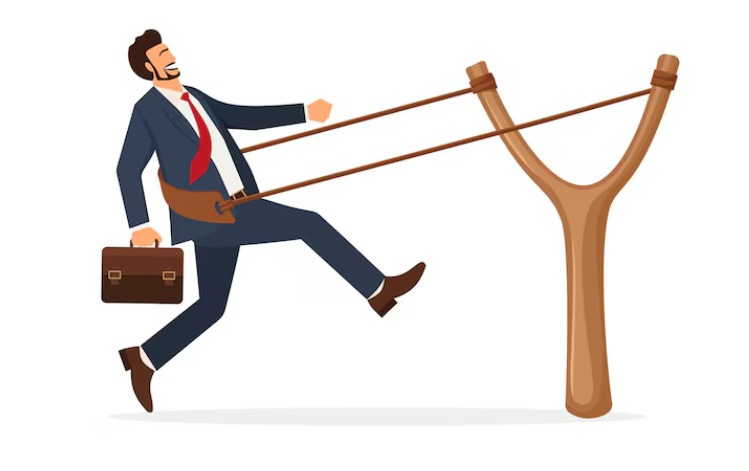
Holding on is often seen as strength, a sign of loyalty, persistence, or love. But when holding on becomes excessive, it transforms into a silent weight, slowly draining energy, peace, and clarity. The danger of holding on too long lies in the subtle ways it prevents growth, keeps us tethered to past pain, and blocks new opportunities. Whether it’s clinging to relationships, habits, dreams that no longer serve us, or grudges that poison our mind, the act of not letting go quietly shapes our emotional and mental health. Recognizing when holding on becomes harmful is the first step toward reclaiming freedom, clarity, and a sense of inner peace.
1. Emotional Exhaustion
Holding on too long drains emotional energy. Constantly revisiting a past hurt, clinging to someone who has moved on, or resisting necessary change creates chronic stress. Over time, this exhaustion manifests as irritability, sadness, or numbness, leaving the mind and heart depleted while life passes by.
2. Stagnation in Personal Growth
Clinging prevents evolution. When we hold on to outdated beliefs, relationships, or situations, we deny ourselves the experiences needed to grow. Personal development requires letting go, embracing discomfort, and stepping into the unknown. Stagnation is the subtle consequence of holding on beyond its usefulness.
3. Distorted Sense of Reality
Clinging too long can warp perception. We idealize people, situations, or dreams, ignoring their flaws or the reasons they no longer serve us. This distortion keeps us trapped in illusions, preventing us from seeing truth and making rational decisions.
4. Suppressed Self-Worth
By holding on, we often sacrifice our own needs and boundaries. Constantly giving energy to what no longer serves us diminishes self-respect and self-esteem. Over time, a person may feel unworthy of attention, love, or care because they prioritize holding on over self-preservation.
5. Fear of Change
Holding on is rooted in fear—fear of loss, fear of loneliness, or fear of uncertainty. This fear binds us to the past, even when it brings pain, blocking adaptation and the ability to embrace the new opportunities life offers.
6. Unfinished Emotional Cycles
When we refuse to let go, grief, disappointment, or anger remain unresolved. Emotional cycles that need closure are left incomplete, creating lingering resentment, confusion, or melancholy that quietly erode peace of mind.
7. Physical Manifestations of Stress
The mind’s attachment affects the body. Holding on too long can trigger tension, headaches, digestive issues, or fatigue. Chronic stress caused by resistance to letting go manifests physically, reminding us that emotional habits have tangible consequences.
8. Impaired Decision-Making
Clinging clouds judgment. When we are emotionally tied to someone or something, we may make choices that are inconsistent with our values or best interests. This compromises personal integrity and can lead to repeated mistakes or regret.
9. Difficulty Embracing New Opportunities
Holding on limits openness to the new. Whether it’s a career opportunity, a new relationship, or personal experience, emotional attachment to the past creates resistance to fresh possibilities, keeping life stagnant and predictable.
10. Perpetuation of Toxic Relationships
Clinging to relationships that are harmful or unbalanced prolongs suffering. We may ignore warning signs or rationalize negative behavior, fearing the void that comes with separation. The longer the hold, the greater the potential harm to emotional and mental health.
11. Grudge and Resentment Accumulation
When we hold on to past slights, betrayals, or hurts, resentment accumulates. These unprocessed emotions weigh heavily, affecting current relationships and decision-making, often spilling over into other areas of life without conscious awareness.
12. Loss of Present-Moment Awareness
Focusing on what we cannot have or cannot change steals attention from the present. Holding on creates mental preoccupation with the past or future, reducing mindfulness and diminishing the joy, clarity, and fulfillment available in the here and now.
13. Reinforcing Negative Patterns
Clinging to familiar pain or unfulfilling situations reinforces harmful emotional patterns. Each act of holding on trains the mind to tolerate discomfort, disappointment, or imbalance, making it harder to break free and cultivate healthier habits.
14. Emotional Dependency
Holding on too long often creates dependency on people, objects, or ideals. This reliance fosters insecurity and reduces resilience, as the individual’s emotional stability becomes tethered to something external rather than cultivated internally.
15. Delayed Healing
Letting go is essential for emotional recovery. When we cling, wounds fester longer, and the healing process is delayed. What could have been resolved in weeks or months may linger for years, intensifying pain and slowing personal growth.
16. Obscured Life Priorities
Attachment to the past or unchangeable situations can blur priorities. Energy spent clinging diverts attention from personal goals, ambitions, or passions, leaving life unbalanced and progress stagnant.
17. Increased Anxiety and Overthinking
Holding on fuels rumination. Thoughts constantly revolve around what we can’t control, leading to heightened anxiety, sleeplessness, and mental fatigue. The mind becomes trapped in loops that magnify distress rather than provide solutions.
18. Suppression of Authenticity
Clinging to external validation, past relationships, or social expectations often forces the individual to hide true feelings, desires, or identity. Over time, suppressing authenticity erodes self-confidence and diminishes fulfillment.
19. Missed Opportunities for Growth in Relationships
Emotional attachment to one person, group, or ideal may prevent new, healthier connections from forming. Holding on restricts relational evolution, keeping the individual in patterns that limit intimacy, trust, and mutual growth.
20. Gradual Erosion of Peace of Mind
Perhaps the most subtle danger is the slow decay of inner peace. Holding on creates persistent tension between desire and reality, hope and truth, presence and past. Over time, even moments of calm are tinged with anxiety, longing, or regret, undermining the serenity essential for balanced living.
21. Suppressed Creativity
Holding on mentally or emotionally limits imagination and creativity. When the mind is preoccupied with past attachments, it cannot explore new ideas or possibilities freely. The energy consumed by clinging is energy that could be invested in creating, innovating, or experiencing fresh perspectives.
22. Emotional Numbness
Long-term attachment to past pain or unresolved situations can dull emotions overall. Ironically, by clinging too tightly to one feeling, the mind shields itself from others, making even joyful or meaningful experiences less vivid or impactful.
23. Overestimation of the Past
Clinging often idealizes what was, magnifying its significance while ignoring present reality. Memories of people, moments, or achievements are romanticized, creating false standards that distort perception and prevent acceptance of the current truth.
24. Dependency on Validation
Clinging can make us rely on others for reassurance, acceptance, or love. This dependency undermines self-reliance and the ability to trust oneself, making it harder to pursue independent happiness or embrace new opportunities.
25. Fear of Letting Go
Deep attachment breeds fear: fear of loss, fear of regret, or fear of emptiness. This fear keeps the mind trapped in cycles of hope and hesitation, even when releasing the attachment would provide relief and growth.
26. Perpetual Regret
Holding on to what cannot be changed fosters lingering regret. Whether about decisions, relationships, or missed opportunities, the inability to release binds the mind to a past that cannot be rewritten, creating unnecessary emotional burden.
27. Inability to Forgive
When holding on to grudges or past betrayal, forgiveness becomes impossible. This prolongs pain, reinforces resentment, and prevents emotional freedom, keeping the heart tethered to negativity rather than healing.
28. Strained Physical Health
Chronic emotional attachment impacts physical well-being. Stress hormones remain elevated, leading to tension, high blood pressure, fatigue, and other psychosomatic issues. Holding on too long silently wears down the body as well as the mind.
29. Reduced Emotional Resilience
Clinging prevents the mind from learning to adapt. Resilience comes from accepting impermanence and embracing change. The longer one holds on, the weaker the capacity to navigate new challenges without fear or stress.
30. Suppressed Self-Discovery
Holding on keeps us focused externally—on people, circumstances, or past dreams—rather than internally. This hinders exploration of authentic desires, strengths, and purpose, leaving self-discovery incomplete or delayed.
31. Interference With Present Relationships
Attachment to the past can distort current relationships. Emotional energy tied to former partners, friendships, or experiences reduces availability for meaningful present connections, creating tension, miscommunication, or distance.
32. Emotional Reactivity
Clinging amplifies sensitivity to triggers. Seeing reminders of the past—people, places, or objects—can provoke strong, disproportionate reactions because unresolved attachment magnifies emotional intensity.
33. Delayed Acceptance of Reality
The longer we hold on, the harder it is to acknowledge truth. Whether it’s the end of a relationship, a failed dream, or a change in circumstances, resistance prolongs emotional suffering by preventing alignment with reality.
34. Attachment to Identity Constructs
Holding on may involve clinging to identity labels—“I am a loyal partner,” “I am a dreamer,” “I am a survivor of this experience.” While identity can be empowering, over-attachment limits flexibility and growth when life demands evolution.
35. Emotional Contagion
Unresolved attachment can affect others. By holding on to pain, resentment, or unfulfilled desires, we unconsciously transmit tension to those around us, straining relationships and creating cycles of emotional discomfort.
36. Suppression of Intuition
Excessive attachment clouds inner guidance. When clinging dominates thought patterns, intuition is drowned out by longing, fear, or hope, making decisions less aligned with true needs and more influenced by past attachment.
37. Repetition of Unhealthy Patterns
Clinging often keeps us in loops of repetition. Relationships, habits, or thought patterns that no longer serve us are repeated because emotional energy is bound to the familiar, preventing the growth that comes from change.
38. Obsession With “What Could Have Been”
Excessive attachment fuels counterfactual thinking: imagining alternate outcomes or missed possibilities endlessly. This mental habit traps the mind in regret, reducing clarity and preventing acceptance of the actual course of life.
39. Emotional Isolation
By holding on to the past, we may unintentionally withdraw from others. Fear of change or disappointment encourages emotional isolation, making connection difficult and reinforcing a sense of loneliness.
40. Amplification of Anxiety
Clinging increases worry. Focusing on unresolved situations or what has been lost triggers repeated “what if” scenarios, heightening stress, and anxiety over both past and future uncertainties.
41. Suppression of Gratitude
Attachment to what we cannot change diminishes appreciation for what exists now. Energy spent longing for the past or holding on to unfulfilling situations reduces recognition of blessings, achievements, and joy in the present.
42. Obstruction of Personal Freedom
Clinging binds us mentally and emotionally. True freedom requires letting go—of people, events, identities, or beliefs that no longer serve. Holding on too long restricts life’s flow, making growth feel stifled and constrained.
43. Increased Susceptibility to Depression
Prolonged attachment to loss, unfulfilled dreams, or pain can foster persistent sadness or depression. Emotional stagnation prevents natural healing, making it difficult to find peace, hope, or motivation.
44. Emotional Inflexibility
Holding on rigidly reduces the ability to adapt to new circumstances. Emotional inflexibility makes it harder to cope with change, reducing resilience and increasing vulnerability to stress and disappointment.
45. Clinging to Comfort Zones
Attachment often involves clinging to familiarity, even if it’s harmful. Fear of leaving comfort zones keeps individuals in stagnant, unfulfilling circumstances, preventing growth, discovery, and transformation.
46. Suppression of Personal Voice
When holding on to others’ expectations, relationships, or past roles, our authentic voice may be suppressed. Over time, this diminishes confidence in expressing opinions, desires, or emotions freely.
47. Delayed Emotional Independence
Letting go is essential for self-reliance. Prolonged attachment fosters dependence on external validation or external circumstances, delaying the development of emotional independence and self-sufficiency.
48. Obscured Life Purpose
Attachment to unfulfilling goals or old dreams can obscure clarity of purpose. When energy is bound to what no longer serves, it becomes difficult to identify and pursue meaningful new directions.
49. Emotional Overload
Holding on accumulates unprocessed emotions—grief, anger, longing, hope—creating an internal emotional overload. This constant tension can overwhelm, reducing clarity, resilience, and the capacity to enjoy life fully.
50. Liberation Through Release
The ultimate lesson of holding on too long is recognizing the power of letting go. Release does not mean forgetting or devaluing experiences; it means freeing the mind and heart from attachment that limits growth. Letting go restores energy, opens space for new opportunities, and allows the cultivation of peace, resilience, and authentic joy.