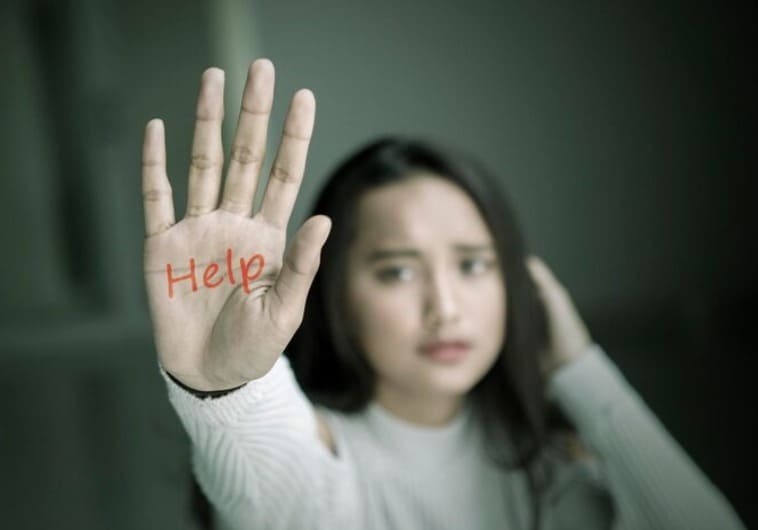
Unhealed trauma is not always visible, but it quietly shapes how you think, feel, and respond to life. Many people carry emotional wounds from the past without even realizing how deeply those experiences still affect their present behavior. These hidden patterns can show up in relationships, emotions, thoughts, and reactions in subtle ways. Understanding the signs that you are carrying unhealed trauma is important because awareness is the first step toward emotional healing and breaking free from old pain that still influences your life today.
1. Emotional Overreactions to Small Triggers
One of the clearest signs of unhealed trauma is reacting too strongly to situations that do not seem serious on the surface. Small comments, misunderstandings, tone changes, or minor conflicts may trigger intense emotions like anger, fear, sadness, or panic. This happens because the nervous system is still carrying emotional memories from past painful experiences. The present situation is not the real cause of the reaction—it simply activates something unresolved from the past. When trauma is unhealed, the brain struggles to separate “now” from “then,” causing emotional responses that feel bigger than the situation itself. Over time, this can create confusion, strained relationships, and emotional exhaustion because you may not understand why your reactions feel so intense.
2. Difficulty Trusting People
Unhealed trauma often creates deep trust issues that affect how you connect with others. Even when someone is kind, consistent, and genuinely caring, you may still find yourself questioning their intentions or expecting them to hurt or leave you. This usually comes from past experiences where trust was broken through betrayal, abandonment, emotional neglect, or dishonesty. The mind learns to associate closeness with potential pain, making emotional safety feel uncertain. As a result, you may struggle to fully open up, share your feelings, or rely on others emotionally. While this protective behavior is meant to prevent future hurt, it can also create emotional distance and prevent meaningful relationships from forming.
3. Avoiding Emotional Intimacy
People carrying unhealed trauma often find emotional intimacy uncomfortable or overwhelming. Even if they desire love and connection, they may subconsciously push others away when relationships begin to feel too close or emotionally deep. This happens because vulnerability feels unsafe when past experiences have taught the mind that closeness leads to pain. As a result, they may avoid deep conversations, keep relationships superficial, or emotionally withdraw when things start to feel serious. Emotional intimacy requires openness, trust, and emotional exposure, all of which can feel threatening to someone with unresolved trauma. This creates a cycle where connection is desired but also feared.
4. Constant Overthinking and Anxiety
Overthinking is a common emotional response to unhealed trauma because the mind is always trying to anticipate danger or prevent emotional pain. You may find yourself analyzing conversations repeatedly, worrying about how others perceive you, or imagining worst-case scenarios even when nothing is wrong. This mental habit develops as a form of self-protection, where the brain tries to stay one step ahead of possible emotional threats. However, instead of creating safety, it often leads to anxiety, stress, and mental exhaustion. Over time, this constant mental activity can make it difficult to relax, focus, or feel emotionally at peace in the present moment.
5. Emotional Numbness
Unhealed trauma does not always show up as strong emotions—it can also appear as emotional numbness. In this state, you may feel disconnected from your feelings, as if nothing truly affects you deeply. Joy, sadness, excitement, or love may feel muted or distant. This often happens when the mind has experienced too much emotional pain and decides to shut down feelings as a form of protection. While emotional numbness may reduce pain temporarily, it also blocks positive emotions, making life feel empty or meaningless. Over time, this disconnection from emotions can affect motivation, relationships, and overall sense of purpose.
6. Fear of Abandonment
A strong fear of being abandoned is another common sign of unhealed trauma. You may constantly worry that people will leave, stop caring, or lose interest in you, even without any real evidence. This fear often comes from past experiences of emotional neglect, inconsistent relationships, or sudden loss. Because of this, you may become overly sensitive to distance in relationships or interpret small changes in behavior as signs of rejection. This fear can lead to emotional dependency, clinginess, or even pushing people away first to avoid being hurt later. It creates emotional instability in relationships and makes it difficult to feel secure.
7. Difficulty Regulating Emotions
When trauma is unhealed, emotional regulation becomes challenging. You may experience sudden mood swings, intense emotional reactions, or difficulty calming down after feeling upset. Emotions may feel unpredictable or overwhelming, as if they take over your entire state of mind. This happens because trauma affects the nervous system’s ability to stay balanced under stress. Instead of responding calmly, the body reacts based on past emotional memories. As a result, even everyday situations can sometimes feel emotionally intense. Over time, this can lead to exhaustion, confusion, and difficulty maintaining emotional stability.
8. Low Self-Worth and Inner Criticism
Unhealed trauma often deeply affects how you see yourself. You may constantly doubt your abilities, feel unworthy of love, or believe you are not good enough, even when there is no real reason for it. These beliefs often form from past experiences of rejection, criticism, neglect, or emotional pain. Over time, these experiences turn into an inner critical voice that judges everything you do. Even achievements or positive feedback may not feel enough to change this internal narrative. This constant self-criticism slowly damages confidence and makes emotional healing more difficult because you struggle to treat yourself with kindness.
9. Avoidance of Certain People or Situations
Another sign of unhealed trauma is avoiding specific people, places, or situations that trigger uncomfortable emotional memories. These triggers may not always be fully conscious, but your mind associates them with past pain or fear. As a result, you may feel anxious, uneasy, or emotionally unsettled in certain environments or around certain individuals. This avoidance is the mind’s way of protecting you from emotional discomfort. However, while it may reduce immediate stress, it can also limit your experiences and keep you stuck in fear-based patterns instead of allowing healing and growth.
10. Feeling Stuck in the Past
One of the strongest signs of unhealed trauma is the feeling of being emotionally stuck in past experiences. Even though life moves forward, your mind may repeatedly return to painful memories, regrets, or unresolved situations. It may feel like a part of you is still living in those moments, unable to fully let go. This emotional attachment to the past prevents you from being fully present in your current life. Instead of experiencing peace or clarity, you may feel weighed down by something that no longer exists but still affects your emotions. Healing begins when the past is acknowledged rather than continuously relived.
11. Difficulty Trusting Your Own Decisions
Unhealed trauma often makes it hard to trust yourself, not just others. You may constantly doubt your choices, second-guess decisions, or seek reassurance from others before doing even simple things. This usually develops when past experiences made you feel wrong, criticized, or unsupported for your decisions. Over time, your confidence in your own judgment weakens, and you begin to rely heavily on external opinions. This creates a cycle of self-doubt where you feel uncertain even when you are capable of making good choices. Emotional healing involves slowly rebuilding trust in your own inner voice and learning that your feelings and instincts also matter.
12. People-Pleasing Behavior
People with unhealed trauma often develop a habit of pleasing others at the cost of their own emotional needs. You may find yourself saying yes when you want to say no, avoiding conflict, or constantly trying to keep others happy to feel safe or accepted. This behavior usually comes from a fear of rejection or abandonment, where approval feels necessary for emotional security. Over time, people-pleasing can lead to emotional exhaustion, resentment, and a loss of personal identity. You may feel disconnected from your own needs because you are always focused on others. This pattern often hides deep emotional wounds related to self-worth and acceptance.
13. Emotional Shutdown During Conflict
Another sign of unhealed trauma is shutting down emotionally during arguments or stressful conversations. Instead of expressing your feelings, you may go silent, withdraw, or emotionally disconnect when conflict arises. This is often a protective response developed from past experiences where expressing emotions led to punishment, rejection, or emotional overwhelm. The nervous system learns that silence feels safer than expression. However, this shutdown can create misunderstandings in relationships and prevent healthy communication. Over time, emotional suppression builds internal pressure, making it harder to process feelings in a healthy way.
14. Fear of Being a Burden
Unhealed trauma can create a deep fear of being “too much” for others. You may hesitate to share your emotions, struggles, or needs because you worry about overwhelming or burdening people. This belief often comes from earlier experiences where your emotions were ignored, dismissed, or treated as inconvenient. As a result, you learn to hide your pain and handle everything alone. While this may seem like independence, it often leads to emotional isolation. You may appear strong on the outside while struggling silently inside. This fear prevents you from receiving the support and understanding you actually need.
15. Feeling Emotionally Disconnected in Relationships
Even when you are in relationships, unhealed trauma can create a sense of emotional distance or disconnection. You may struggle to fully feel present, emotionally open, or deeply bonded with others. This often happens because past emotional pain creates protective walls that stay active even in safe relationships. You may care about people but still feel unable to fully express it or receive emotional closeness. This creates a confusing experience where you are physically present but emotionally distant. Over time, this can affect intimacy and create a feeling of emptiness in relationships that should feel fulfilling.
16. Over-Apologizing for Everything
Constantly apologizing, even when something is not your fault, is another sign of unhealed trauma. You may feel responsible for other people’s emotions or assume that conflict is always your fault. This behavior often develops in environments where you were blamed, criticized, or made to feel responsible for maintaining peace. As a result, apologizing becomes a reflex rather than a meaningful response. While it may help avoid conflict temporarily, it also reinforces feelings of low self-worth and emotional insecurity. Over time, it becomes difficult to set boundaries or recognize your own emotional value.
17. Difficulty Feeling Safe Anywhere
Unhealed trauma can create a constant underlying feeling of insecurity, even in safe environments. You may feel uneasy without knowing why, as if something bad could happen at any moment. This happens because trauma affects the brain’s sense of safety, keeping the nervous system in a state of alertness. Even when everything is calm externally, your body may still feel tense or guarded internally. This lack of emotional safety makes it difficult to relax fully, trust your surroundings, or experience peace in daily life. It creates a constant sense of inner tension that is hard to explain but deeply felt.
18. Repeating Toxic Relationship Patterns
Many people with unhealed trauma find themselves repeating the same painful relationship patterns. You may attract emotionally unavailable partners, tolerate unhealthy behavior, or stay in relationships that feel familiar but hurtful. This happens because the mind is drawn to what feels known, even if it is harmful. Trauma shapes emotional familiarity, making unhealthy dynamics feel normal or expected. Over time, this repetition reinforces emotional pain and makes it harder to break free from unhealthy cycles. Recognizing these patterns is an important step toward choosing healthier emotional connections.
19. Feeling Easily Overwhelmed by Life
When trauma remains unhealed, everyday life can feel overwhelming or emotionally heavy. Simple responsibilities, decisions, or unexpected changes may feel too much to handle. This happens because emotional energy is already drained by internal stress, unresolved feelings, and constant mental pressure. As a result, even normal challenges feel magnified. You may feel like you are constantly trying to keep up emotionally, without ever fully catching a break. This sense of overwhelm can affect motivation, focus, and overall emotional stability.
20. Deep Desire for Healing but Not Knowing How
One of the most important signs of unhealed trauma is the inner feeling that something needs healing, even if you cannot clearly explain what it is. You may feel emotionally stuck, disconnected, or heavy inside, and sense that your past is still affecting your present life. At the same time, you may not know how to begin healing or where to start. This awareness is actually a powerful sign of readiness for emotional growth. It means your mind is beginning to recognize the need for change, understanding, and emotional release. Healing begins with this awareness, even before any action is taken.
21. Fear of Opening Up Emotionally
When unhealed trauma is present, opening up emotionally can feel unsafe or uncomfortable. You may want connection, but at the same time feel hesitant to share your inner thoughts, feelings, or struggles. This usually happens because past experiences taught you that being emotionally open can lead to rejection, judgment, or pain. As a result, you may keep things to yourself, even when you deeply need support. Over time, this creates emotional isolation where others cannot truly understand what you are going through, even if they care about you.
22. Feeling Constantly Misunderstood
People carrying unhealed trauma often feel like others do not truly understand them. You may struggle to express your emotions clearly or feel that no matter how much you explain, people still miss the depth of what you are feeling. This can create frustration, loneliness, and emotional distance in relationships. Sometimes, this feeling comes from not having been understood in the past, which makes you expect misunderstanding in the present. Over time, this belief can make you stop trying to express yourself fully, deepening emotional disconnection.
23. Emotional Dependency or Extreme Independence
Unhealed trauma can push people into two extremes—either becoming emotionally dependent on others or becoming extremely independent. In emotional dependency, you may rely heavily on others for validation, comfort, or decision-making because internal security feels weak. In extreme independence, you may avoid relying on anyone at all, believing that depending on others will lead to disappointment or pain. Both patterns come from unresolved emotional wounds and a lack of inner safety. These extremes make it difficult to build balanced, healthy relationships.
24. Feeling Guilt Without Clear Reason
Another sign of unhealed trauma is experiencing unexplained guilt, even when you have done nothing wrong. You may feel responsible for things outside your control or constantly worry that you have hurt others unintentionally. This often develops from past environments where you were blamed, criticized, or made to feel responsible for emotional situations. Over time, this creates a habit of carrying emotional guilt unnecessarily. This constant guilt can affect self-esteem and make it difficult to feel emotionally free or at peace.
25. Difficulty Letting Go of the Past
Unhealed trauma often makes it hard to fully let go of past experiences. Even when situations are over, your mind may keep revisiting painful memories, conversations, or emotional moments. You might find yourself replaying what happened, wondering “what if,” or wishing things had been different. This emotional attachment keeps you mentally tied to the past, preventing full presence in the current moment. Letting go becomes difficult because the emotional pain was never fully processed or released.
26. Feeling Emotionally Drained After Social Interaction
After spending time with people, you may feel unusually tired, overwhelmed, or emotionally drained. This happens when social interactions require more emotional energy than your system can handle due to unresolved trauma. You may overanalyze conversations, worry about how you were perceived, or feel emotionally overstimulated. Instead of feeling refreshed, you feel exhausted. This emotional fatigue often leads to avoiding social situations, even when you actually want connection and support.
27. Strong Need for Control
Unhealed trauma often creates a deep need to control situations, people, or outcomes in order to feel safe. When past experiences were unpredictable or painful, control becomes a coping mechanism. You may feel anxious when things do not go according to plan or when you cannot predict outcomes. This need for control is actually a response to emotional insecurity. While it may provide temporary comfort, it can also create stress, rigidity, and difficulty adapting to life changes.
28. Difficulty Accepting Love and Care
Even when people genuinely care about you, receiving love may feel uncomfortable or unfamiliar. You may question their intentions, feel undeserving, or struggle to believe that someone truly values you. This often comes from past emotional experiences where love was inconsistent, conditional, or absent. As a result, accepting care can feel confusing or even unsafe. Instead of embracing support, you may push it away or minimize it, even when you need it the most.
29. Emotional Flashbacks From the Past
Unhealed trauma can cause emotional flashbacks, where past feelings suddenly resurface in present situations. You may not consciously remember the exact event, but your emotions feel as intense as if it is happening again. These emotional responses can be triggered by certain words, tones, places, or situations. This happens because the brain stores emotional memories deeply, even when conscious memory fades. These flashbacks can feel overwhelming and make it difficult to stay emotionally grounded in the present.
30. Inner Feeling That Something Still Needs Healing
One of the strongest signs of unhealed trauma is a deep inner knowing that something inside you still needs healing. Even if life appears normal on the outside, you may feel emotionally incomplete, heavy, or unsettled inside. This feeling is not always clear or easy to explain, but it is persistent. It reflects unresolved emotional layers that continue to influence your thoughts and behavior. This awareness is actually the beginning of healing, because it shows that your mind is ready to process, release, and transform past emotional pain into understanding and growth.