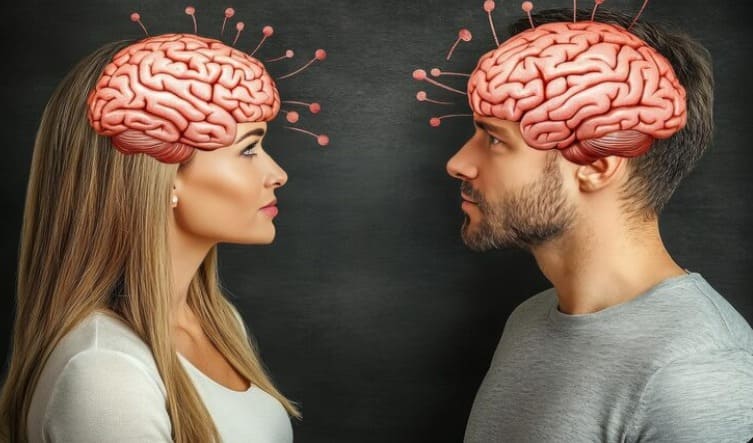
Your nervous system acts like a silent guide in romantic attraction, scanning every interaction for safety, compatibility, and emotional resonance. From subtle facial micro-expressions and pheromonal signals to hormone releases like oxytocin and dopamine, these cues shape subconscious feelings before conscious thought occurs. Understanding these real physiological and psychological mechanisms explains why some people feel “right” while others trigger discomfort or avoidance. Below are 30 reasons, grounded in research and observable behavior, showing how your nervous system chooses partners.
Why Your Nervous System Draws You Toward Someone
1. Oxytocin Release from Touch
Gentle touches, hugs, or handholding trigger oxytocin, the “bonding hormone.” This hormone lowers stress and creates feelings of closeness. Studies show couples who frequently engage in touch report stronger attachment, showing that your nervous system rewards physical intimacy biologically.
2. Dopamine Activation with Positive Interactions
Pleasant conversations or shared laughter release dopamine, the brain’s reward chemical. Functional MRI studies confirm that thinking about a loved one lights up the reward circuitry, making their presence neurologically “pleasurable” and subconsciously attractive.
3. Pheromonal Attraction and Genetic Fitness
Subtle body odors convey genetic information about immune system compatibility (MHC genes). Research indicates that people prefer scents of those whose immune profiles differ from theirs, increasing offspring health. Your nervous system detects this unconsciously, guiding attraction biologically.
4. Heart Rate and Physiological Synchrony
When spending time together, partners’ heart rates, breathing patterns, and skin conductance often align. Psychophysiology research shows this synchrony creates feelings of connection and comfort, making the partner feel “in tune” with you.
5. Facial Micro-Expressions of Warmth
Tiny smiles, subtle eyebrow lifts, and gentle eye movements signal warmth and trustworthiness. Paul Ekman’s studies show that humans detect and respond to micro-expressions within milliseconds, activating nervous system reward pathways toward positive, trustworthy partners.
6. Mirror Neuron Activation through Empathy
Your brain mirrors the emotions of empathetic partners via mirror neurons. Feeling their joy, excitement, or calm literally creates similar nervous system patterns in you, fostering unconscious attraction to emotionally resonant individuals.
7. Vocal Tone and Pitch
A soft, calm, and steady voice activates parasympathetic pathways, reducing stress and signaling emotional safety. Research shows that people unconsciously perceive low, smooth tones as attractive, while erratic or high-pitched tones increase alertness or tension.
8. Emotional Co-Regulation Ability
Partners who soothe your stress naturally reduce sympathetic arousal. This ability to co-regulate emotions is deeply attractive because your nervous system associates their presence with calm, safety, and reward.
9. Gut Feelings via the Enteric Nervous System
The “second brain” in your gut evaluates subtle safety and comfort cues. Positive gut reactions—like feeling at ease or intuitively right—reflect nervous system approval and subconscious attraction.
10. Eye Contact Resonance
Sustained, comfortable eye contact triggers oxytocin release and activates reward centers in the brain. The nervous system interprets mutual gaze as a signal of trust, emotional alignment, and potential intimacy.
11. Laughter and Shared Humor
Laughing together releases endorphins, creating a feeling of shared pleasure. Social neuroscience shows that laughter synchronizes brain circuits between people, producing physiological bonding and attraction.
12. Familiar Scents Trigger Comfort
Scent-based cues activate memory circuits in the brain, making partners feel familiar and safe. Research shows that olfactory signals subconsciously affect partner preference through associations with safety and pleasure.
13. Energy Level Compatibility
Partners whose natural energy, activity, or temperament matches yours reduce internal stress. Observational studies show synchronized energy levels lead to more enjoyable interactions and subconscious preference.
14. Symmetry as a Cue of Health
Physical symmetry signals genetic fitness and health. Evolutionary psychology studies show humans are subconsciously drawn to symmetrical features, which the nervous system interprets as biologically favorable.
15. Positive Conflict Management
Partners who remain calm during disagreements reduce cortisol in observers, signaling emotional stability. Nervous system reward circuits favor individuals who can regulate their own and others’ stress responses.
15 Cold Signals: Why Your Nervous System Pulls Away
16. High Cortisol or Chronic Stress Signals
Visible stress, tension, or anxious energy triggers sympathetic arousal. Research shows chronic stress in partners decreases perceived attractiveness and activates the nervous system’s avoidance mechanisms.
17. Inconsistent Behavior or Mixed Signals
Erratic actions, fluctuating warmth, or unpredictability confuse nervous system patterns. Attachment studies show that inconsistent behavior increases anxiety and reduces trust subconsciously.
18. Avoided or Erratic Eye Contact
Failure to make or maintain appropriate eye contact signals disengagement or dishonesty. Eye-tracking studies show this creates subconscious distrust and withdrawal.
19. Negative Micro-Expressions
Subtle frowns, lip presses, or quick grimaces indicate disapproval or tension. Nervous system circuits detect these instantly, leading to decreased attraction and avoidance behavior.
20. Aggressive or Dominant Body Language
Clenched fists, leaning forward aggressively, or overbearing postures activate sympathetic nervous responses, signaling potential threat and prompting emotional distancing.
21. Vocal Harshness or Erratic Tone
Sudden changes in tone, loudness, or harshness increase alertness and stress in the nervous system. Acoustic research shows this reduces perceived warmth and trustworthiness.
22. Lack of Empathy or Emotional Responsiveness
Partners who fail to respond to emotional cues fail to activate mirror neurons positively. This creates a sense of emotional disconnection, triggering avoidance signals in the nervous system.
23. Violation of Personal Space
Standing too close or touching inappropriately triggers fight-or-flight responses. Proxemics research confirms that personal space violation increases stress and reduces attraction.
24. Overbearing or Clingy Behavior
Excessive neediness or emotional pressure overstimulates the sympathetic nervous system, causing subconscious withdrawal from the partner.
25. Mixed Emotional Signals
Alternating attention, warmth, and coldness creates neural uncertainty. Attachment research shows that mixed signals activate stress circuits and reduce connection.
26. Critical or Judgmental Micro-Behaviors
Subtle critiques or negative micro-behaviors increase alertness and anxiety. Observers’ nervous systems interpret judgment as a potential relational threat.
27. Physical Discomfort Cues
Misaligned gestures, clumsiness, or awkward proximity signal discomfort. Nervous system reward pathways reduce attraction when physical ease is disrupted.
28. High-Stress or Anxious Energy
Partners who constantly exhibit visible stress increase sympathetic nervous system activation, subconsciously signaling danger or unreliability.
29. Lack of Reciprocity
One-sided emotional or social investment triggers withdrawal. Neuroimaging studies show reduced reward circuit activation when interactions are imbalanced.
30. Dishonesty or Behavioral Inconsistency
Subtle discrepancies between words, tone, and gestures signal deception. The nervous system responds with heightened vigilance, causing subconscious avoidance.
Conclusion:
Your nervous system acts as a biological and emotional guide, selecting partners who trigger safety, pleasure, and emotional resonance, while avoiding those who produce stress, unpredictability, or threat. These 30 real, observable mechanisms—from oxytocin release and pheromone detection to micro-expressions and physiological synchrony—show that attraction is deeply rooted in biology, psychology, and behavior, not just conscious preference. Understanding these patterns helps explain why some people feel instantly “right” and others feel “off,” giving insight into authentic, lasting relationships.