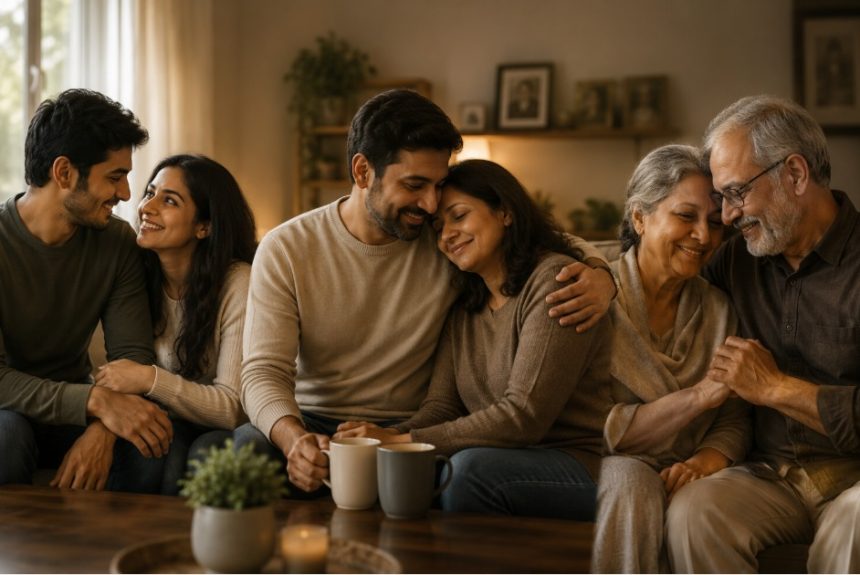
Trust is the invisible foundation that holds a marriage together when everything else feels uncertain. In the early stages of a relationship, love often feels exciting and effortless, but over time, it is trust that determines whether the bond deepens or slowly weakens. When partners consistently choose honesty, emotional openness, and reliability, they create a safe space where both individuals can grow without fear of judgment or betrayal. This safety doesn’t just reduce conflict—it transforms how couples communicate, support each other, and navigate life’s challenges. As years pass, trust becomes less about grand gestures and more about small, consistent actions that silently reinforce the message: “I am here, and I will stay.” Here’s how How Trust Strengthens a Marriage Over Time.
1. Trust Creates Emotional Safety
Trust is the first layer that builds emotional safety in a marriage. When partners trust each other, they stop living in constant doubt or fear of being misunderstood. This safety allows both individuals to express their thoughts, emotions, and vulnerabilities without hesitation. Over time, this openness creates a deep emotional bond where both partners feel accepted as they are, not as they are expected to be. Emotional safety becomes the space where love grows naturally instead of being forced.
2. Trust Reduces Unnecessary Conflicts
Many marital conflicts are not about big issues but about suspicion, insecurity, or miscommunication. Trust reduces these unnecessary tensions by removing the need to constantly question intentions. When trust is strong, small misunderstandings are resolved quickly instead of escalating into arguments. Couples begin to focus more on solutions than blame, which creates a healthier communication pattern over time.
3. Trust Strengthens Communication
In a trusting marriage, communication becomes honest and direct. Partners don’t feel the need to hide feelings or soften truths out of fear. Instead, they speak openly, knowing they will be heard with respect. This level of communication prevents emotional distance and builds clarity in expectations. Over time, couples develop a natural rhythm of understanding each other’s thoughts even without long explanations.
4. Trust Builds Emotional Intimacy
Emotional intimacy grows when partners feel safe enough to be fully seen. Trust allows couples to share their fears, dreams, regrets, and insecurities without shame. This vulnerability creates a deeper connection than physical attraction alone. As years pass, emotional intimacy becomes the glue that keeps the relationship strong even when life becomes stressful or routine.
5. Trust Encourages Long-Term Commitment
A marriage rooted in trust doesn’t rely on temporary feelings but on a stable sense of commitment. When both partners trust each other’s loyalty and intentions, they naturally invest more in the relationship’s future. This commitment is not forced; it grows organically because both individuals feel secure in the relationship’s direction and stability.
6. Trust Helps During Difficult Times
Every marriage faces challenges—financial struggles, health issues, or emotional stress. Trust becomes the anchor during these moments. Instead of breaking apart under pressure, couples who trust each other stand together and face problems as a team. This unity not only solves issues faster but also strengthens the relationship after each challenge.
7. Trust Prevents Emotional Distance
Without trust, emotional distance slowly grows between partners. With trust, however, couples remain connected even when life gets busy. They continue sharing their daily experiences, thoughts, and feelings, which keeps the bond alive. This consistent emotional presence prevents the relationship from turning into a routine or disconnected partnership.
8. Trust Builds Respect Over Time
Respect is deeply connected to trust. When partners trust each other’s decisions, values, and boundaries, they naturally develop mutual respect. This respect ensures that even during disagreements, the relationship remains dignified. Instead of trying to control or dominate, both individuals learn to value each other’s individuality.
9. Trust Deepens Love Naturally
Love that grows with trust becomes more stable and meaningful over time. It shifts from excitement-based attraction to a deeper, calmer form of connection. This kind of love is not dependent on constant validation; instead, it is sustained by understanding, loyalty, and shared experiences. As years pass, this love becomes more resilient and fulfilling.
10. Trust Becomes the Foundation of Lifelong Bond
Ultimately, trust becomes the foundation on which a lifelong marriage is built. It is not created overnight but through consistent honesty, reliability, and emotional presence. Couples who nurture trust daily find that their relationship becomes stronger with time rather than weaker. In the long run, trust transforms marriage from a simple partnership into a deeply rooted lifelong bond.
11. Trust Strengthens Decision-Making as a Team
When trust is strong in a marriage, decisions are no longer made in isolation but as a shared responsibility. Couples begin to consult each other naturally, whether the decision is big or small. This creates a sense of unity where both partners feel equally valued in shaping their life together. Over time, this teamwork reduces confusion, avoids resentment, and builds a stronger sense of partnership in every aspect of life.
12. Trust Eliminates the Need for Control
In relationships where trust is weak, control often replaces connection. But when trust deepens, the need to control each other’s actions slowly disappears. Partners no longer feel the urge to check, monitor, or question constantly. Instead, they give each other space to grow individually while still staying emotionally connected. This freedom actually strengthens the bond instead of weakening it.
13. Trust Encourages Healthy Independence
A trusting marriage does not create dependency; it creates balance. Both partners are free to maintain their own identity, interests, and personal goals without fear of being misunderstood. This healthy independence allows each person to grow individually, which eventually brings more maturity and strength into the relationship itself.
14. Trust Makes Forgiveness Easier
No marriage is free from mistakes, but trust makes forgiveness possible. When trust exists, partners are more willing to believe in each other’s intentions rather than focusing only on the mistake. This doesn’t mean ignoring problems, but it allows couples to move forward without holding onto resentment. Over time, forgiveness becomes a natural part of emotional healing in the relationship.
15. Trust Builds Emotional Stability
Trust creates a stable emotional environment where both partners feel secure even during uncertain times. Instead of overthinking or assuming the worst, they rely on the foundation they have built together. This stability reduces emotional ups and downs and creates a calm, grounded relationship that can handle life’s pressures more effectively.
16. Trust Deepens Daily Connection
Trust is not only built during major life events but also through small daily actions. Simple things like keeping promises, being present in conversations, and showing consistency strengthen the connection over time. These small habits create a rhythm of reliability that makes the relationship feel steady and reassuring every day.
17. Trust Reduces Emotional Overthinking
In the absence of trust, overthinking can damage even strong relationships. But when trust is present, it quiets unnecessary doubts and fears. Partners stop imagining worst-case scenarios and start focusing on real communication. This mental peace helps both individuals feel more emotionally balanced and less stressed in the relationship.
18. Trust Builds Long-Term Security
One of the most powerful effects of trust is emotional security. Both partners feel confident that the relationship is stable and not easily threatened. This security allows them to plan a future together without fear or hesitation. Over time, this sense of stability becomes one of the strongest pillars of the marriage.
19. Trust Improves Conflict Resolution
Conflicts in a trusting marriage are handled differently. Instead of becoming emotional battles, they turn into discussions aimed at understanding each other better. Trust ensures that even during disagreements, both partners believe in each other’s goodwill. This makes resolution faster, healthier, and less damaging to the relationship.
20. Trust Turns Marriage Into a Safe Home
Ultimately, trust transforms marriage into more than just a relationship—it becomes a safe emotional home. It is a place where both partners can return without fear of judgment, rejection, or misunderstanding. Over time, this sense of “home” becomes the most comforting and powerful part of the relationship, holding everything together even in difficult seasons.
21. Trust Strengthens Emotional Patience
As marriage grows over time, patience becomes essential, and trust is what makes that patience possible. When partners trust each other, they are more willing to give space during misunderstandings instead of reacting instantly. This patience prevents small issues from turning into lasting damage. It allows both individuals to process emotions calmly and respond with understanding rather than frustration.
22. Trust Reduces Fear of Misinterpretation
In many relationships, fear of being misunderstood creates distance. Trust removes this fear by giving assurance that intentions will be understood correctly. Even when words are imperfect, trust fills the emotional gap and prevents unnecessary assumptions. Over time, this reduces emotional confusion and builds clearer, more confident communication.
23. Trust Strengthens Shared Future Vision
A strong marriage is built on shared dreams, and trust makes those dreams feel achievable. When partners trust each other, they confidently plan their future together without doubt or hesitation. Whether it’s financial goals, family planning, or personal growth, trust ensures both individuals move in the same direction with unity and hope.
24. Trust Supports Emotional Healing
Every couple goes through emotional wounds at some point, but trust plays a key role in healing those moments. When trust exists, partners feel safe enough to open up about pain instead of hiding it. This openness allows healing conversations to take place, which gradually repairs emotional damage and strengthens the bond even further.
25. Trust Builds Consistency in Love
Love becomes more meaningful when it is consistent rather than unpredictable. Trust ensures that affection, care, and respect remain steady over time. This consistency reassures both partners that the relationship is not based on temporary feelings but on a stable emotional foundation that can withstand life’s changes.
26. Trust Encourages Honest Accountability
In a trusting marriage, both partners take responsibility for their actions without fear. Instead of blaming each other, they openly admit mistakes and work toward improvement. This accountability strengthens maturity in the relationship and prevents repeated emotional damage caused by denial or avoidance.
27. Trust Deepens Mutual Understanding
Over the years, trust helps couples understand each other on a deeper level. They begin to recognize emotional triggers, silent feelings, and unspoken needs. This understanding reduces miscommunication and creates a sense of emotional alignment where both partners feel truly seen and understood.
28. Trust Protects Against External Influence
Marriage often faces external pressures from society, family, or friends. Trust acts as a protective shield that keeps the relationship strong despite outside opinions. When partners trust each other deeply, they prioritize their bond over external noise, ensuring that their connection remains stable and unaffected.
29. Trust Creates Lifelong Emotional Bonding
As time passes, trust transforms ordinary companionship into lifelong emotional bonding. This bond is not dependent on constant excitement but on deep emotional reliability. Even in silence or distance, partners feel connected because the foundation of trust remains unshaken.
30. Trust Becomes the Silent Strength of Marriage
In the end, trust becomes the quiet force that holds everything together without needing attention. It does not always demand expression, but it is always present in actions, decisions, and emotions. This silent strength is what allows marriage to survive challenges, grow through time, and remain deeply meaningful for a lifetime.