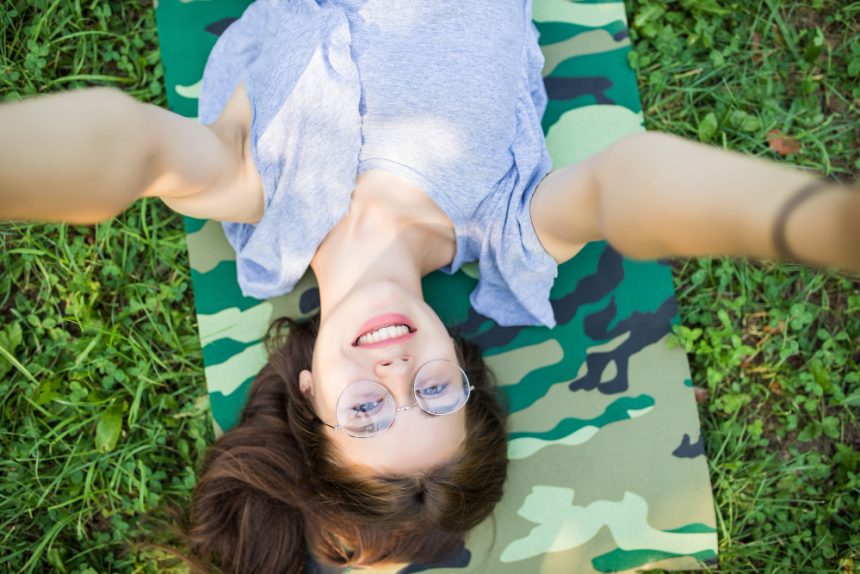
In the age of social media, the selfie has become an indispensable form of self-expression. Whether you’re capturing a special moment, showcasing your latest outfit, or simply sharing a glimpse of your day, taking the perfect selfie is an art that requires a combination of skill, creativity, and a dash of confidence. In this comprehensive guide, we’ll explore the various elements that will teach you how to take a perfect selfie, from lighting and angles to composition and post-processing.
I. The Importance of Lighting
A. Natural Light vs. Artificial Light
One of the most critical factors in achieving a perfect selfie is lighting. Natural light is generally considered the most flattering, offering a soft and even illumination that minimizes shadows and highlights your features. When shooting indoors, position yourself near a window or in a well-lit room to make the most of natural light. If you’re outdoors, opt for the golden hours—early morning or late afternoon—when the sunlight is warm and diffused.
On the other hand, artificial lighting can be tricky but is manageable with the right setup. Avoid harsh overhead lighting, as it can create unflattering shadows and highlights. Instead, opt for soft, diffused lighting sources, such as ring lights or softboxes, to achieve a more even and flattering illumination.
B. Avoiding Harsh Shadows
Shadows can make or break a selfie, and managing them effectively is crucial. Position yourself so that the light source is in front of you, eliminating shadows that may obscure your face. If you’re outdoors, find a location with even shade to prevent harsh sunlight from creating unflattering shadows on your face.
II. Mastering the Art of Angles
A. Finding Your Best Side
Experimenting with different angles can significantly impact the outcome of your selfie. Most people have a preferred side, so take the time to figure out which angle highlights your features best. Tilt your head slightly and experiment with different head positions until you find the most flattering angle for your face shape.
B. The Power of the High Angle
A high angle can be universally flattering, as it helps elongate the neck, define the jawline, and make the eyes appear larger. Hold your camera or smartphone slightly above eye level and tilt it down to capture this flattering perspective. However, be cautious not to overdo it, as extremely high angles may distort facial features.
C. Playing with Symmetry
Experimenting with symmetry can add an artistic touch to your selfies. Center your face within the frame and play with the symmetry of your surroundings to create a visually appealing composition. Symmetry can enhance the overall aesthetic and draw attention to your facial features.
III. Composition and Framing
A. Rule of Thirds
The rule of thirds is a fundamental principle of photography that can elevate your selfie game. Imagine your frame divided into nine equal parts with two horizontal and two vertical lines. Position yourself at the intersections of these lines to create a balanced and visually appealing composition.
B. Background Matters
Pay attention to your surroundings and choose a background that complements rather than distracts from your image. Avoid cluttered or busy backgrounds that may take the focus away from you. Opt for clean, simple backdrops that enhance the overall aesthetic of your selfie.
IV. Perfecting Your Pose
A. Confidence is Key
Confidence radiates through your selfies, so strike a pose that makes you feel empowered and self-assured. Whether it’s a subtle smile, a confident gaze, or a playful expression, your pose should reflect your personality and make you feel comfortable in front of the camera.
B. Experimenting with Facial Expressions
Don’t be afraid to express different emotions in your selfies. From a genuine smile to a sultry gaze, experimenting with facial expressions can add depth and personality to your photos. Practice various expressions in front of the mirror to discover what works best for you.
V. Using Filters and Editing Apps
A. Enhancing Without Overdoing
While filters and editing apps can enhance the overall look of your selfie, it’s essential to use them judiciously. Avoid heavy filters that completely alter your appearance, as authenticity is key in the world of selfies. Instead, opt for subtle adjustments to refine lighting, color, and sharpness while maintaining a natural look.
B. Embracing Natural Beauty
Sometimes, less is more. Embrace your natural beauty by opting for minimal or no editing. Celebrate imperfections and showcase the real you, creating a more authentic connection with your audience.
VI. Mastering the Technical Aspects
A. Choosing the Right Camera
While smartphone cameras have advanced significantly, some situations may call for a dedicated camera. Experiment with both to determine which device works best for different scenarios. Pay attention to factors like resolution, aperture, and shutter speed to ensure optimal image quality.
B. Utilizing Timer and Remote
Avoid the awkwardness of a stretched arm or visible selfie stick by using the timer or a remote shutter release. This allows you to set up your shot, strike a pose, and capture the perfect selfie without the limitations of holding your device.
Conclusion
Mastering the art of the selfie is a journey of self-discovery and creativity. From understanding the importance of lighting to experimenting with angles, composition, and editing, each element contributes to the creation of a perfect selfie. Remember that perfection lies in embracing your unique qualities and expressing yourself authentically. So, grab your camera, find your light, and start capturing the moments that define you in the digital age.