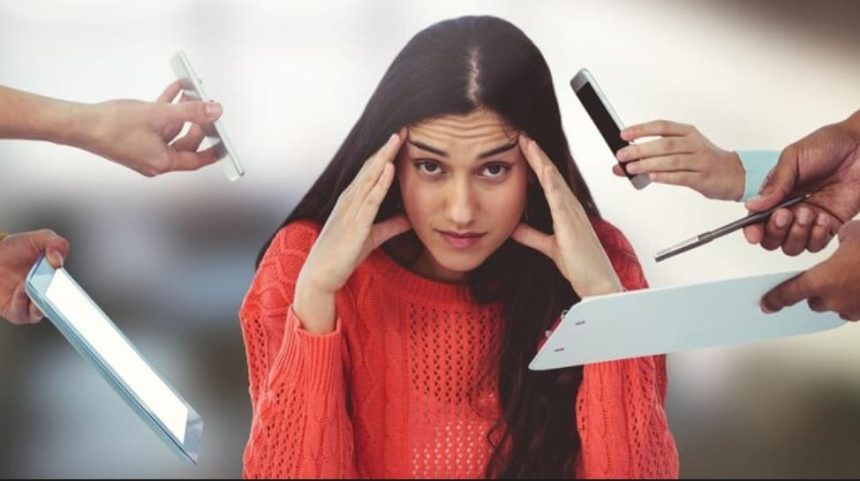
Stress affects more than just the mind—it can show up in subtle, unusual physical ways that often go unnoticed. From digestive issues and skin problems to muscle tension and unexplained fatigue, the body communicates emotional strain in unique ways. Recognizing these hidden signals early can prevent long-term health complications and improve overall well-being. In this blog, we’ll explore how stress shows up in unusual physical signs, the science behind these manifestations, and practical ways to manage and reduce their impact.
1. Digestive Disturbances
Stress often affects the gastrointestinal system in subtle ways. You may experience bloating, irregular bowel movements, or even sudden nausea without any dietary cause. This happens because stress triggers the release of hormones like cortisol and adrenaline, which can disrupt digestion, alter gut motility, and affect the balance of gut bacteria. Chronic stress may even exacerbate conditions like IBS (Irritable Bowel Syndrome), making the digestive system one of the earliest physical indicators of emotional strain.
2. Skin Reactions and Breakouts
The skin is a mirror of internal stress. Stress can lead to flare-ups of acne, eczema, psoriasis, or unexplained rashes. Hormonal fluctuations caused by stress trigger oil production and inflammation in the skin, making it reactive to even minor irritants. People often overlook these signs, assuming they are diet-related, but emotional tension often amplifies skin sensitivity, turning minor imperfections into persistent or unusual physical symptoms.
3. Unexplained Muscle Tension
Muscle tightness, stiffness, or soreness—especially in the neck, shoulders, and back—is a common but underrecognized sign of stress. Chronic stress causes muscles to contract subconsciously as part of the body’s “fight-or-flight” response. Over time, this constant tension can lead to postural issues, headaches, and even chronic pain. Recognizing tension as a stress indicator helps you address the root cause rather than just treating the symptom physically.
4. Frequent Headaches or Migraines
Stress-induced headaches often appear unexpectedly, without any apparent cause like dehydration or vision problems. These headaches may be tension-based, originating from prolonged muscle contraction, or migraine-related, triggered by stress hormones and chemical changes in the brain. Paying attention to patterns—such as headaches appearing after emotional strain or high-pressure situations—can reveal stress as the underlying cause.
5. Rapid or Irregular Heartbeat
Stress activates the autonomic nervous system, sometimes resulting in palpitations, rapid heartbeat, or irregular pulse. Even when there is no cardiovascular condition, these symptoms signal the body’s heightened alert state. People often mistake these signs for heart issues or anxiety disorders, but they are often a direct physical manifestation of accumulated stress and heightened cortisol levels.
6. Unexplained Fatigue or Low Energy
Chronic stress can leave you feeling drained even after adequate rest. The body’s prolonged exposure to stress hormones interferes with sleep quality, immune function, and cellular energy production. This fatigue differs from normal tiredness because it persists despite rest and is often accompanied by mental fog, irritability, or difficulty concentrating. Recognizing it as a stress symptom allows for interventions targeting emotional rather than just physical recovery.
7. Changes in Appetite or Digestion
Stress can trigger unusual changes in appetite, including sudden overeating, under-eating, or craving high-sugar and high-fat foods. These behaviors are linked to cortisol’s effects on metabolism and the brain’s reward pathways. Additionally, some individuals may experience “stress nausea” or acid reflux, where emotional tension directly interferes with the stomach’s normal functioning. Understanding these signs as stress-related can help prevent long-term digestive or weight issues.
8. Hair and Nail Changes
Physical signs of stress can extend to hair and nails. Some people notice hair thinning, excessive shedding, or brittle nails during periods of high stress. Stress-induced hormonal imbalances, particularly elevated cortisol, can disrupt the normal growth cycles of hair and nails. While these changes may seem minor, they often indicate prolonged emotional strain and the need for emotional detox or stress management.
9. Heightened Sensitivity to Pain
Stress amplifies the body’s perception of pain. Minor aches, menstrual cramps, or joint discomfort may feel more intense during periods of emotional tension. This happens because stress hormones sensitize nerve endings and increase inflammation in the body. Recognizing increased pain sensitivity as a physical sign of stress can help you address both the emotional and physical aspects of discomfort.
10. Frequent Illness or Weakened Immunity
Chronic stress compromises immune function, making the body more susceptible to colds, infections, and slow wound healing. Elevated cortisol levels suppress the immune system’s response, leaving you physically vulnerable. Frequent illness or delayed recovery often signals that stress is affecting your body more profoundly than you realize, highlighting the importance of proactive emotional and physical self-care.
11. Digestive Sensitivity to Foods
Stress can make you suddenly intolerant to foods you previously enjoyed. This may include bloating, gas, or stomach cramps after eating common meals. Emotional tension affects gut motility and microbiome balance, making digestion unpredictable. This subtle reaction often signals underlying stress that logic alone might not identify.
12. Frequent Urination or Digestive Urgency
Stress triggers the “fight-or-flight” response, affecting both bladder and digestive function. You may notice sudden urges to urinate or a need to use the restroom more frequently during tense situations. These unusual physical signs are often overlooked but indicate the body’s acute stress response.
13. Cold Hands and Feet
Peripheral circulation can be impacted by chronic stress. Cold or clammy hands and feet often occur when the body prioritizes core organs during emotional tension, limiting blood flow to extremities. Though minor, these signs can be early indicators of prolonged stress affecting physical systems.
14. Shakiness or Trembling
Unexpected tremors or shakiness, especially in the hands, can occur during stressful periods. Stress elevates adrenaline, which primes muscles for action. This can manifest as shaking even without exertion. Recognizing tremors as stress-related prevents unnecessary alarm and highlights the mind-body connection.
15. Jaw Clenching or Teeth Grinding
Stress often manifests in subconscious behaviors like jaw clenching (bruxism) or teeth grinding, particularly at night. This can lead to headaches, tooth wear, and facial tension. These subtle physical signs signal emotional strain that has yet to be consciously addressed.
16. Changes in Breathing Patterns
Stress affects breathing without conscious awareness. Shallow, rapid breaths or holding your breath during tense moments are common. Over time, this can cause lightheadedness, dizziness, or increased anxiety, reinforcing a cycle of stress. Mindful breathing exercises can reverse these unusual physical signs.
17. Skin Flushing or Pallor
Stress can trigger changes in skin tone. Some people blush or flush excessively, while others may appear pale during anxiety or tension. These responses are linked to adrenaline and vascular responses, highlighting the physical manifestation of emotional stress.
18. Excessive Sweating
Sweating, particularly in unusual situations, is a common stress response. Hyperhidrosis or sudden sweaty palms can appear without exercise or heat, reflecting the body’s heightened alert state. These unusual signs often indicate chronic tension affecting the nervous system.
19. Eye Strain or Vision Changes
Stress can impact ocular health. Eye twitching, dryness, blurred vision, or sensitivity to light may occur during high-stress periods. These symptoms often result from prolonged tension in facial and ocular muscles, combined with nervous system overactivation.
20. Unexpected Weight Fluctuations
Stress may cause sudden weight gain or loss. Cortisol influences appetite, metabolism, and fat storage. Some individuals crave calorie-dense comfort foods, while others lose appetite entirely. These unusual physical changes signal the body’s attempt to cope with chronic emotional tension.
21. Chest Tightness or Discomfort
Stress can cause a feeling of pressure or tightness in the chest, mimicking heart-related symptoms. This physical response is often due to muscle tension and shallow breathing combined with adrenaline surges. Recognizing stress as the cause helps prevent unnecessary panic and guides proper management strategies.
22. Hair Loss or Shedding
Stress disrupts hair growth cycles, leading to increased shedding or thinning. Telogen effluvium is a condition triggered by prolonged emotional strain, reflecting the body’s response to internal tension. Hair loss may appear weeks after stressful events, making it an often-unrecognized physical sign of chronic stress.
23. Digestive Pain After Meals
Stress can exacerbate acid reflux, heartburn, or stomach cramps, even if your diet hasn’t changed. Emotional tension impacts stomach acid production and gut motility, creating discomfort that appears unrelated to food intake but signals underlying stress.
24. Frequent Head or Neck Tension
Chronic stress often causes tension headaches or stiffness in the neck and shoulders. Unlike headaches caused by illness or dehydration, these pains are linked to muscular contraction from prolonged emotional strain, signaling the body’s constant fight-or-flight readiness.
25. Unusual Sensitivity to Sound or Light
Stress heightens sensory sensitivity, making you more reactive to noise, bright lights, or overstimulating environments. This unusual physical response reflects the nervous system’s hypervigilance, preparing the body for perceived threats, even when none exist.
26. Cold or Hot Flashes
Sudden temperature swings in the body, such as hot flashes or chills, can occur during stress. Hormonal fluctuations, especially cortisol and adrenaline, affect thermoregulation, creating unusual and sometimes disorienting physical sensations.
27. Frequent Minor Aches and Pains
Stress often manifests as generalized, minor body aches—back pain, leg soreness, or joint stiffness—without physical exertion. These subtle signals are the body’s response to muscle tension and inflammatory processes triggered by prolonged stress.
28. Changes in Libido
Stress can reduce sexual desire or, conversely, trigger unusual increases in libido. Hormonal imbalances, emotional tension, and mental fatigue influence sexual function, making libido an often-overlooked physical indicator of stress levels.
29. Numbness or Tingling Sensations
Some people experience tingling or numbness in the extremities during high stress. This occurs due to nerve sensitivity, poor circulation, and tension-induced constriction. Though alarming, these sensations often correlate with chronic emotional tension rather than underlying neurological disease.
30. Sleep Disturbances and Nighttime Physical Symptoms
Stress affects sleep patterns, leading to insomnia, restless sleep, or frequent awakenings. Unusual nighttime physical symptoms like teeth grinding, leg twitching, or night sweats can accompany emotional strain. Sleep disruption amplifies stress, creating a feedback loop that manifests in both emotional and physical signs.