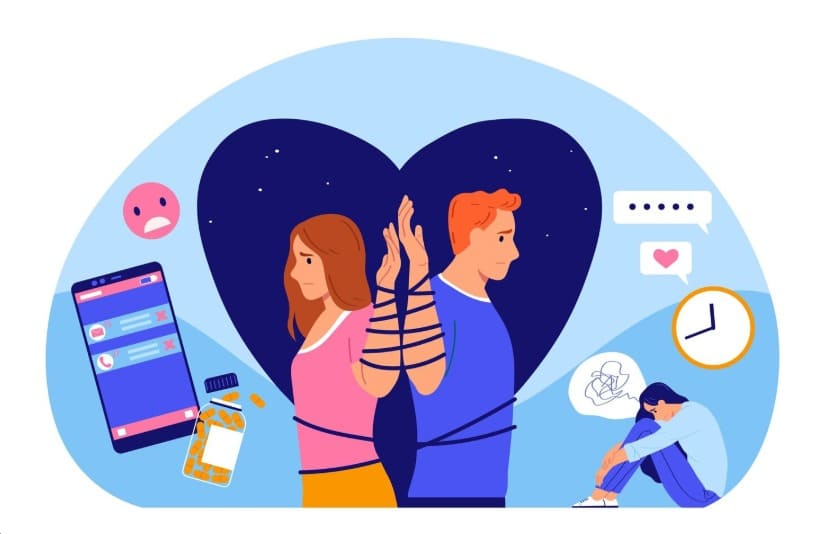
Modern dating comes with its own unique challenges and patterns that previous generations may not have faced. Terms like Ghosting, Breadcrumbing, and Modern Love Trends have become part of the dating lexicon, highlighting behaviors that can confuse, frustrate, or even hurt people in romantic relationships. Understanding these modern love trends is crucial for navigating dating safely and mindfully. These patterns reflect how technology, social media, and shifting societal norms influence our romantic interactions. In this blog, we’ll explore ghosting, breadcrumbing, and modern love trends, why they happen, their impact on emotional well-being, and strategies to maintain healthy, fulfilling connections in today’s dating world.
Understanding Ghosting
- Definition of Ghosting – Suddenly cutting off all communication without explanation.
- Why People Ghost – Fear, avoidance of conflict, or loss of interest.
- Emotional Impact – Confusion, hurt, and lowered self-esteem for the person ghosted.
- Recognizing Ghosting Early – Sudden drops in communication, unanswered messages.
- Social Media Ghosting – Ignoring messages across platforms.
- Workplace or Friendship Ghosting – Not limited to romantic relationships.
- Common Signs – Lack of replies, avoidance, or disappearing online.
- How It Affects Trust – Makes future dating more cautious.
- Psychological Reasons – Anxiety, insecurity, or commitment fears.
- Avoiding Overthinking – Focus on self-care instead of blaming yourself.
- Healthy Response – Accept it, detach, and move forward.
- When to Confront – Only if closure is desired and safe.
- Long-Term Patterns – Chronic ghosting can be a personality trait in some individuals.
- Technology’s Role – Dating apps make ghosting easier than ever.
- Impact on Emotional Health – Temporary sadness can be mitigated with support.
- Red Flags Before Ghosting – Inconsistent communication or evasive behavior.
- Managing Expectations – Keep communication realistic to avoid disappointment.
- Self-Reflection – Learn what you want in relationships.
- Seeking Support – Friends or therapy can help process feelings.
- Moving On Gracefully – Focus on future connections without bitterness.
Understanding Breadcrumbing
- Definition of Breadcrumbing – Sending minimal attention or affection to keep someone interested.
- Signs of Breadcrumbing – Occasional flirty texts, inconsistent effort, or vague promises.
- Why People Breadcrumb – Want attention without commitment.
- Psychological Impact – Confusion, self-doubt, and emotional drain.
- Breadcrumbing vs. Genuine Interest – Small gestures vs. consistent care.
- How Technology Enables It – Quick texts, social media likes, and brief interactions.
- Red Flags – Pattern of inconsistency, delayed responses, or empty compliments.
- Emotional Consequences – Leads to uncertainty and anxiety.
- Common Scenarios – Dating apps, casual relationships, and online flirts.
- Managing Breadcrumbing – Recognize patterns early and set boundaries.
- Responding to Breadcrumbs – Decide whether to disengage or confront.
- Self-Worth Awareness – Avoid investing emotional energy unnecessarily.
- Why It Persists – Some people enjoy the attention without commitment.
- Breadcrumbing in Long-Term Relationships – Can appear as lack of effort or attention.
- Communication Strategies – Ask for clarity and express your needs.
- Detaching Emotionally – Protect your feelings while assessing interest.
- Recognizing Manipulation – Breadcrumbing can sometimes be intentional control.
- Patterns to Avoid – Constant uncertainty is a warning sign.
- Seeking Support – Friends, mentors, or therapy can help evaluate relationships.
- Moving Past Breadcrumbing – Value consistent and meaningful connections.
Other Modern Love Trends
- Benching – Keeping someone as a backup while dating others.
- Cushioning – Keeping emotional “safety nets” in relationships.
- Orbiting – Staying present on social media after ending contact.
- Zombieing – Reappearing after ghosting without explanation.
- Stashing – Hiding a relationship from friends and family.
- Slow-Fading – Gradual disappearance instead of immediate ghosting.
- Love Bombing – Excessive affection or attention early on.
- Gaslighting in Dating – Manipulation to make someone doubt their perception.
- Situationships – Undefined, casual romantic arrangements.
- Micro-Cheating – Small actions that betray trust subtly.
- Texting Overload – Constant messaging without substance.
- Excessive Online Flirting – Emotional connection with others digitally.
- Relationship Cycling – On-and-off patterns repeatedly.
- Comparisons via Social Media – Jealousy or dissatisfaction fueled by online exposure.
- Love Ghosts on Apps – Matches disappearing without a trace.
- Dating Burnout – Fatigue from navigating multiple trends and apps.
- Commitment Phobia – Fear of deeper emotional connection.
- Emotional Unavailability – Difficulty forming meaningful bonds.
- Pressure for Instant Chemistry – Overemphasis on initial attraction.
- Impact on Mental Health – Anxiety, self-doubt, and emotional fatigue.
Navigating Modern Love Trends
- Recognize Red Flags Early – Avoid investing in toxic patterns.
- Set Clear Boundaries – Protect your time and emotions.
- Communicate Your Needs – Express expectations openly.
- Prioritize Consistency – Seek partners who demonstrate reliability.
- Trust Your Intuition – Listen to gut feelings about behaviors.
- Self-Reflection – Understand what you want and deserve.
- Focus on Emotional Health – Avoid over-investing in uncertain relationships.
- Digital Boundaries – Limit excessive texting and social media monitoring.
- Be Honest About Intentions – Clarify your dating goals early.
- Avoid Chasing – Recognize when attention is manipulative.
- Seek Mutual Effort – Healthy relationships require balance.
- Learn From Experience – Past encounters inform future choices.
- Evaluate Patterns, Not Isolated Events – Look for consistency in behavior.
- Prioritize Face-to-Face Interaction – Reduces misinterpretation in digital dating.
- Avoid Overthinking Ghosting – Focus on self-worth and growth.
- Stay Emotionally Detached From Breadcrumbing – Protect energy while observing patterns.
- Recognize Your Non-Negotiables – Dealbreakers help filter unhealthy trends.
- Encourage Open Dialogue – Healthy communication prevents confusion.
- Balance Fun With Seriousness – Enjoy dating without neglecting emotional well-being.
- Value Genuine Connections – Seek partners who prioritize meaningful interactions.
Building Healthy Modern Relationships
- Prioritize Emotional Compatibility – Look beyond physical or superficial attraction.
- Focus on Shared Values – Align goals, morals, and lifestyle choices.
- Practice Patience in Dating – Avoid rushing into unhealthy patterns.
- Be Mindful of Technology – Limit social media influence on emotions.
- Avoid Comparing Relationships – Every connection is unique.
- Recognize Personal Growth Opportunities – Dating challenges help develop emotional resilience.
- Communicate Expectations Clearly – Avoid misunderstandings about intentions.
- Invest in Self-Confidence – Healthy self-esteem attracts better matches.
- Learn to Say No – Protect time and emotional energy.
- Celebrate Mutual Effort – Recognize gestures that show genuine care.
- Avoid Tolerating Toxic Patterns – Don’t compromise on respect.
- Seek Reciprocity – Healthy dating involves mutual effort.
- Foster Playful Connection – Humor, shared interests, and lighthearted moments matter.
- Learn From Past Experiences – Recognize repeating patterns to avoid pitfalls.
- Encourage Honesty in Partners – Transparent communication strengthens trust.
- Balance Independence With Togetherness – Maintain personal identity while dating.
- Focus on Long-Term Potential – Avoid transient attention traps.
- Develop Emotional Intelligence – Understand emotions in self and partner.
- Prioritize Mental Health – Protect emotional well-being in dating.
- Cultivate Meaningful Relationships – Value quality over quantity in connections.
Conclusion
Modern love trends like ghosting, breadcrumbing, and other dating patterns reflect the complexities of today’s romantic landscape. While technology and shifting social norms have made dating more convenient, they’ve also introduced behaviors that can cause confusion, hurt, or emotional stress. By understanding these trends, recognizing red flags, and prioritizing communication, consistency, and emotional health, individuals can navigate modern love wisely, avoid toxic patterns, and build meaningful, fulfilling relationships that endure beyond fleeting attention or digital games.