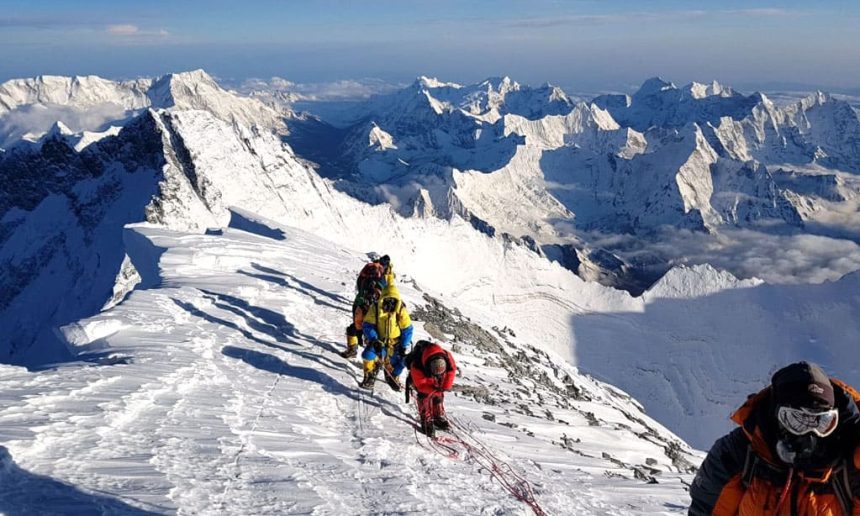
Mount Everest is not just the tallest mountain on Earth; it’s a living test of endurance, courage, and human resilience. Most people know it as the 8,848-meter peak that adventurers dream of summiting, but few understand the real Everest adventures few dare to share. Beyond the breathtaking vistas lies a world of extreme weather, deadly icefalls, altitude sickness, environmental concerns, and personal transformation. From the perilous Khumbu Icefall to the unsung heroism of Sherpas, Everest tells stories of risk, survival, and awe-inspiring natural beauty. This guide explores everything you need to know—hidden facts, trekking routes, climbing logistics, seasons, costs, and life-changing experiences.
Everest Facts, Hidden Dangers, and Adventures
1. Extreme Weather and Its Risks
Reason it matters: Sudden storms and high winds make Everest extremely dangerous. Temperatures at the summit can drop to -40°C (-40°F), creating frostbite and hypothermia risks.
Description: Storms often appear without warning, and wind speeds can reach over 160 km/h. These conditions have claimed many lives, emphasizing the need for proper timing, gear, and experience.
2. Oxygen Shortage at the Summit
Reason it matters: Low oxygen affects decision-making and physical performance.
Description: The “death zone” above 8,000 meters has just a third of the oxygen available at sea level. Climbers experience exhaustion, hallucinations, and sometimes permanent organ damage. Oxygen tanks are essential, but even supplemental oxygen doesn’t fully replicate normal conditions.
3. The Khumbu Icefall – Everest’s Most Dangerous Section
Reason it matters: Most climbing accidents occur here.
Description: Massive ice blocks shift constantly, creating crevasses, tunnels, and seracs. Climbers navigate ladders and ropes over unstable ice. Even experienced mountaineers face life-threatening hazards. Timing and Sherpa guidance are critical.
4. Avalanche Threats
Reason it matters: Sudden avalanches can occur anywhere on the mountain.
Description: Snow and ice movement is unpredictable, especially after storms. Many climbers die each year due to avalanches in the Khumbu Glacier or near Camp II–IV. Knowledge of snow stability and expert guidance can save lives.
5. Environmental Challenges
Reason it matters: Everest is fragile, and climbers impact it significantly.
Description: Trash, oxygen bottles, and human waste accumulate along trails. Climbers are encouraged to carry out waste, but overcrowding and extreme conditions make this difficult. Environmental stewardship is key to preserving Everest for future generations.
6. Crowding and Summit Traffic
Reason it matters: Delays at the summit increase exposure risk.
Description: In peak season (May), climbers often queue for hours near the top. Low oxygen, freezing temperatures, and exhaustion make every minute dangerous. Summit success is not just skill—it’s also timing.
7. Sherpa Life and Unsung Heroism
Reason it matters: Sherpas face the most danger for the success of climbers.
Description: Sherpas carry heavy loads, set ropes, fix camps, and guide climbers. Their knowledge of the mountain is invaluable. Many have perished on Everest, yet their courage and expertise often remain underappreciated.
8. Death Zone Realities
Reason it matters: Time spent above 8,000 meters is life-threatening.
Description: The body deteriorates rapidly in the death zone. Every hour increases risk of frostbite, exhaustion, and pulmonary or cerebral edema. Planning summit timing and descent is as critical as the climb itself.
9. Treks to Base Camp – Adventure for Everyone
Reason it matters: Not everyone climbs the summit; trekking offers adventure safely.
Description: The Everest Base Camp trek is about 12–16 days, passing through Lukla, Namche Bazaar, Tengboche, Dingboche, and Gorak Shep. Trekkers enjoy Himalayan landscapes, monasteries, Sherpa culture, and breathtaking views without the extreme risks of the summit.
10. How to Reach Everest – Step-by-Step
Reason it matters: Understanding logistics ensures safety and preparedness.
Step 1: Fly to Kathmandu, Nepal
- Tribhuvan International Airport (KTM) is the main gateway.
- Prepare permits and gear; visit local shops for trekking equipment.
Step 2: Flight to Lukla
- Tenzing-Hillary Airport is the start of the trek.
- Weather-dependent; flights can be delayed for several days.
Step 3: Trekking Route
- Lukla → Phakding → Namche Bazaar → Tengboche → Dingboche → Lobuche → Gorak Shep → Base Camp
- Include acclimatization days to prevent altitude sickness.
Step 4: Base Camp Experience
- Base Camp at 5,364 meters offers dramatic views of Khumbu Icefall, Nuptse, and Lhotse.
- Simple teahouses and tents provide rest for climbers.
Step 5: Summit Attempt (Optional & Advanced)
- Requires permits (~$11,000 USD), extreme gear, and expert guides.
- Summit duration: 6–8 weeks including acclimatization.
- Risks: frostbite, avalanches, hypoxia, extreme exhaustion.
11. Hidden Rewards
Reason it matters: Everest challenges the human spirit beyond physical endurance.
Description: Stunning sunrises, panoramic Himalayan views, and the cultural immersion with Sherpa communities make the journey unforgettable. Each step teaches resilience, patience, and humility.
12. Seasonal Tips
- Pre-monsoon (March–May): Best weather, but crowded.
- Post-monsoon (September–November): Clear skies, fewer climbers.
- Avoid monsoon (June–August): High rain and avalanche risk.
13. Costs of Everest Adventure
- Base Camp Trek: $1,500–$3,000 USD (gear, flights, guides, permits)
- Summit Expedition: $40,000–$60,000 USD including permits, guides, equipment, and oxygen
Conclusion
Mount Everest is more than a mountain—it’s a living adventure few dare to experience. The risks, hidden dangers, environmental concerns, and personal transformation make it legendary. From icefalls to death zones, Sherpa heroism, and the hidden rewards of Himalayan landscapes, these Everest adventures few dare to share reveal why climbing or trekking this peak is a journey of endurance, courage, and discovery. Whether trekking to Base Camp or attempting the summit, Everest is a test of preparation, respect, and the human spirit.