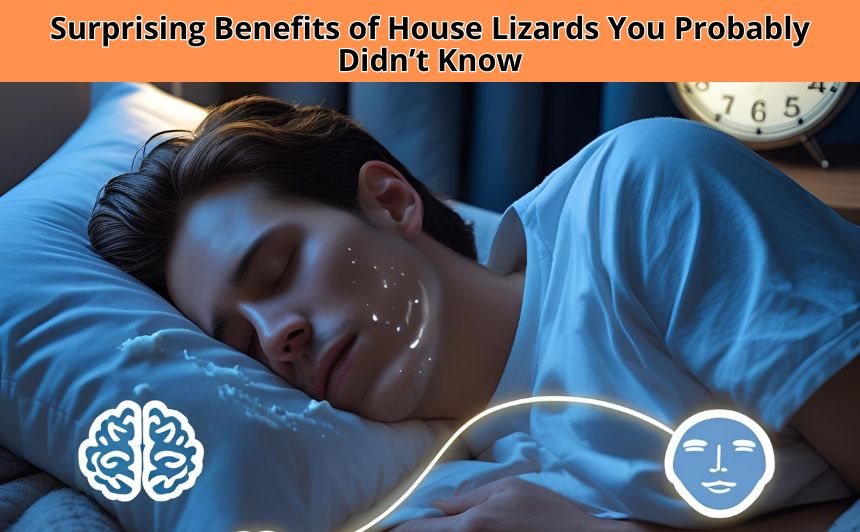
Waking up to a wet pillow may seem like a harmless or slightly embarrassing occurrence, but it’s not always as innocent as it appears. Repeated episodes could be a sign of something more serious. Understanding the most common drooling while sleeping causes can help you identify underlying health issues early—ranging from allergies and sleep disorders to neurological conditions. In this post, we’ll explore why you might be drooling during sleep, what it says about your health, and how to manage or stop it.
💧 What Is Drooling?
Drooling, or sialorrhea, is the unintentional flow of saliva outside the mouth. While it’s normal in infants, persistent drooling in adults during sleep may indicate a health imbalance or dysfunction in the body’s saliva control.
🔍 Top Drooling While Sleeping Causes
1. Nasal Congestion or Allergies
If your nose is blocked, you may breathe through your mouth while sleeping. This relaxed, open-mouth posture allows saliva to escape more easily.
2. Sleep Apnea
One of the lesser-known drooling while sleeping causes, sleep apnea involves interrupted breathing and often causes open-mouth breathing at night—leading to excess drool.
3. Side Sleeping Position
Sleeping on your side or stomach naturally encourages saliva to pool near the cheek or mouth, especially when your jaw is relaxed.
4. Acid Reflux or GERD
Gastroesophageal reflux can irritate the esophagus and increase saliva production during sleep as a defense mechanism.
5. Neurological Disorders
Conditions like Parkinson’s disease, ALS, or stroke can impair facial muscle control, affecting the ability to manage saliva. In these cases, drooling is often chronic and more severe.
6. Medication Side Effects
Certain medications—like tranquilizers, antipsychotics, or Alzheimer’s treatments—can stimulate excessive saliva production as a side effect.
7. Dental or Oral Issues
Missing teeth, dentures, or poor jaw alignment can make it harder to keep saliva inside your mouth while sleeping.
8. Tonsillitis or Sinus Infections
Inflamed tonsils or sinuses may make swallowing uncomfortable or painful, leading to a buildup of saliva that eventually escapes during sleep.
🛌 When Should You Worry About Drooling?
Occasional drooling isn’t typically a cause for concern. However, you should seek medical advice if:
- It happens every night
- It’s excessive or increasing
- It’s accompanied by breathing issues or choking
- You experience daytime fatigue, headaches, or dry mouth
- There are other neurological symptoms (e.g., slurred speech)
✅ Ways to Reduce or Stop Drooling
- Sleep on Your Back: This helps keep your jaw aligned and your mouth closed.
- Treat Allergies or Congestion: Decongestants, antihistamines, or a humidifier may help.
- See a Dentist: Correcting bite issues or getting fitted with a mouthguard might help.
- Speech or Physical Therapy: Especially for neurological drooling.
- Medication Adjustments: Talk to your doctor if medications are a possible cause.
- Botox Treatment: In rare or severe cases, Botox can be injected into salivary glands to reduce output.
🧠 Final Thoughts
Understanding the root drooling while sleeping causes can offer surprising insight into your health. While often brushed off as annoying or awkward, frequent night-time drooling may be your body’s way of signaling a larger issue. By paying attention and taking action, you can improve both your sleep and your well-being.