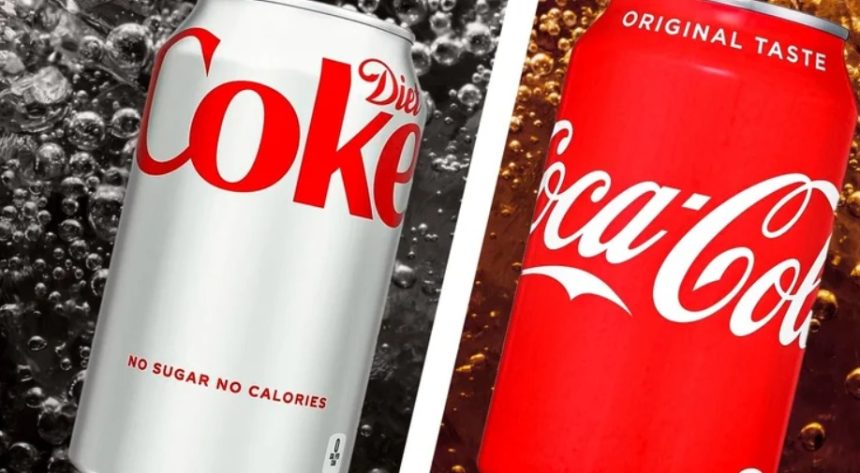
Soft drinks have been a central part of global culture for over a century, with Coca-Cola standing as one of the most recognized and consumed beverages worldwide. Many people believe that Diet Coke really have fewer calories. While it is true that Diet Coke contains no calories or sugar, the health implications of consuming artificial sweeteners, the effects on metabolism, dental health, and even the psychology of taste mean that the decision is far more complex than just looking at calorie numbers. In this article, we’ll explore the history, ingredients, effects, and alternatives to Diet Coke and regular Coke, providing a thorough understanding for anyone curious about their beverage choices.
A Brief History of Coca-Cola and Diet Coke
Coca-Cola was invented in 1886 by pharmacist John Pemberton in Atlanta, Georgia. Initially marketed as a medicinal tonic, its sweet, fizzy taste quickly gained popularity. Over the decades, Coke became a cultural icon, recognized around the world for its flavor, branding, and global marketing campaigns. The mid-20th century brought increasing concerns about sugar consumption, obesity, and health risks associated with high-calorie beverages. In response, Coca-Cola introduced Diet Coke in 1982 as a sugar-free, zero-calorie alternative.
Unlike Coke Zero, which closely mimics the original Coke flavor, Diet Coke was formulated with a distinct flavor profile. Its marketing targeted people looking for a low-calorie drink without compromising the taste experience entirely. Over the years, Diet Coke became one of the most consumed diet sodas globally, appealing to people who were health-conscious, watching their weight, or trying to reduce sugar consumption.
Calories and Sugar: The Core Difference
One of the most obvious differences between regular Coke and Diet Coke is in their calorie and sugar content. A standard 12-ounce can of regular Coke contains roughly 140 calories and 39 grams of sugar, which is nearly 10 teaspoons of sugar in a single can. Diet Coke, on the other hand, contains zero calories and zero sugar. Instead of sugar, it relies on artificial sweeteners such as aspartame and acesulfame potassium. These sweeteners provide the same level of sweetness as sugar without contributing calories, making Diet Coke attractive for those looking to manage their calorie intake.
However, while Diet Coke reduces sugar and calories, it is important to note that zero-calorie does not automatically mean healthy. Calories are just one part of nutrition, and factors such as metabolic effects, appetite regulation, gut health, and taste conditioning all play roles in determining the overall impact of a beverage on the body.
Artificial Sweeteners: Sweetness Without Calories
Artificial sweeteners like aspartame, sucralose, and acesulfame potassium are the backbone of diet sodas like Diet Coke. These compounds are intensely sweet—hundreds of times sweeter than sugar—which allows beverage companies to use very small amounts for maximum sweetness. Health authorities, including the FDA and EFSA, generally consider these sweeteners safe for moderate consumption.
Nevertheless, research indicates several potential considerations. Consuming highly sweet substances without calories may increase cravings for sugary foods later, potentially leading to higher overall calorie intake throughout the day. Some studies suggest that artificial sweeteners may alter the gut microbiota, which can affect digestion, metabolism, and even immune function. Moreover, frequent exposure to intensely sweet beverages may shift taste preferences, making naturally sweet foods, such as fruits, less satisfying over time. These factors show that while Diet Coke avoids sugar, it is not completely neutral for the body.
Blood Sugar and Metabolism
One of the most cited benefits of Diet Coke is that it does not spike blood sugar. Regular Coke, with its high sugar content, can lead to rapid increases in blood glucose, which can be problematic for people with diabetes or insulin resistance. Diet Coke, being sugar-free, avoids these spikes, making it a seemingly better choice for blood sugar management.
However, long-term studies suggest the story is more complicated. Observational research indicates that regular consumption of diet sodas may still correlate with weight gain or metabolic changes. The reasons are multifaceted and include psychological factors, such as the “calorie compensation effect,” where people consume more calories elsewhere because they believe they’ve saved calories by drinking diet soda. Other possible explanations include subtle impacts on gut bacteria and insulin response, although more research is needed to fully understand these mechanisms.
Caffeine Content and Effects
Both Diet Coke and regular Coke contain caffeine, although the exact amount varies slightly between formulas. Diet Coke typically contains about 34 milligrams per 12-ounce can, while regular Coke contains approximately 35–39 milligrams. Caffeine can enhance alertness, improve mood, and temporarily boost focus and physical performance.
However, excessive caffeine consumption can lead to negative effects such as jitteriness, insomnia, and dependency. For people sensitive to caffeine, even diet sodas should be consumed in moderation. It is also worth noting that caffeine interacts with other compounds in soda, such as phosphoric acid, which can influence bone and dental health over time.
Dental Health Considerations
Even though Diet Coke contains no sugar, its acidity, primarily from carbonic and phosphoric acids, can erode tooth enamel over time. Regular Coke, combining sugar and acidity, has an even greater impact, accelerating the risk of cavities, tooth sensitivity, and enamel wear. Consuming soda through a straw, rinsing with water afterward, and limiting frequency can help reduce these risks. Dentists caution that both diet and regular sodas should not replace water as the primary source of hydration.
Global Consumption Trends
Diet Coke enjoys global popularity, particularly in North America, Europe, and parts of Asia. Industry reports indicate that Diet Coke accounts for a substantial portion of Coca-Cola’s diet beverage sales. However, younger consumers increasingly prefer sparkling water, flavored water, or other low-sugar beverages. In some regions, Coke Zero has overtaken Diet Coke due to its taste being closer to original Coke. Despite changing trends, Diet Coke remains a highly recognized brand worldwide and continues to appeal to those who want sweetness without sugar.
Expert Opinions
Nutrition experts generally agree that Diet Coke is a lower-calorie alternative to regular Coke and can help people reduce sugar intake. However, they caution that it should not be relied upon as a “health drink.” Moderation is key, and occasional consumption is safer than daily reliance. Dentists and dietitians also emphasize that the acidity in diet sodas can gradually erode tooth enamel and that healthier beverages, such as water, herbal teas, and natural fruit juices, are always better long-term choices.
Healthier Alternatives to Soda
For those aiming to reduce sugar while avoiding artificial sweeteners, several options provide flavor without the drawbacks of soda. Sparkling water infused with fruit slices, herbal teas, coconut water, and naturally flavored water offer hydration and taste without sugar, calories, or harmful acids. Natural fruit juices can also be consumed in moderation, offering vitamins, minerals, and antioxidants that sodas do not provide. Transitioning to these alternatives can reduce dependence on artificial sweeteners, improve hydration, and support overall health.
Tips for Transitioning from Soda
If you regularly drink regular or diet soda and want to transition to healthier options, start gradually. Begin by replacing one soda per day with sparkling water or herbal tea. Experiment with adding lemon, cucumber, or berries for flavor. Reducing portion sizes and avoiding habitual consumption with meals can also help. Over time, your taste buds may adapt, making naturally sweet beverages more satisfying and reducing cravings for artificially sweetened drinks.
Conclusion
Diet Coke does have fewer calories than regular Coke, making it a lower-calorie alternative for those seeking a sweet beverage without sugar. However, zero calories do not automatically equate to health. Artificial sweeteners, acidity, and their potential effects on cravings, gut health, and taste perception mean that moderation is essential. Water, herbal teas, and other natural beverages remain the best choices for long-term wellness. Diet Coke can be enjoyed occasionally as part of a balanced lifestyle, but it should not replace whole, nutritious foods or healthy hydration habits. Understanding the benefits and limitations of both Diet Coke and regular Coke allows consumers to make informed choices that satisfy cravings without compromising health.
By being mindful of consumption, exploring healthier alternatives, and maintaining balance, you can enjoy your favorite beverages while supporting overall wellbeing. Whether it’s the occasional can of Diet Coke or a glass of sparkling water with lemon, moderation and awareness are key to a healthier lifestyle.