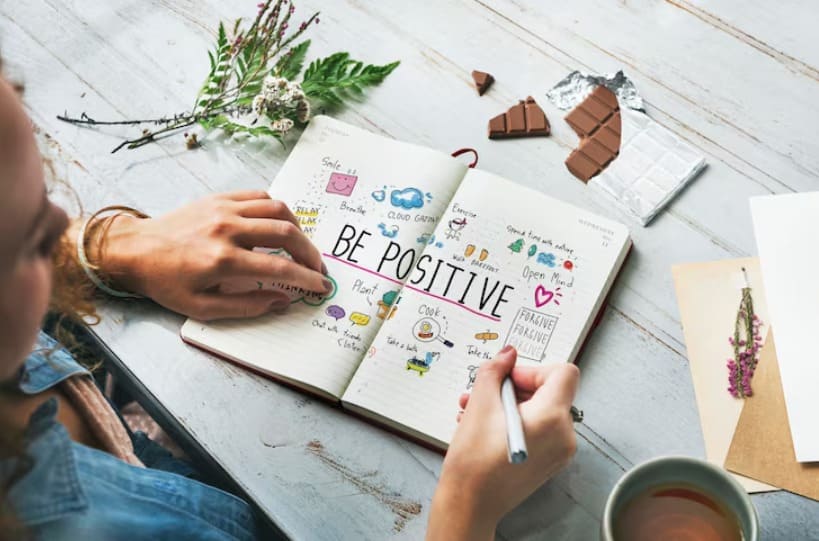
Life transformation does not always require big dramatic changes. In fact, the most powerful changes often begin with small, consistent habits that slowly reshape your mindset, emotions, and daily behavior. Many people believe they need a complete life overhaul to feel better, but real transformation usually happens in simple, practical steps repeated over time. When you start making conscious choices in your thoughts, routines, and reactions, your life naturally begins to shift in a more positive direction. Learning how to Transform your Life Positively is about awareness, discipline, and small improvements that gradually create a healthier, happier, and more meaningful life.
1. Start Your Day With Positive Intentions
How you begin your day sets the tone for everything that follows. Starting your morning with clear and positive intentions helps create mental clarity and emotional balance. Instead of immediately checking your phone or rushing into stress, take a few moments to breathe, reflect, or set simple goals for the day. This practice helps you feel more grounded and focused. When your mind starts the day with direction instead of chaos, you naturally become more productive, calm, and emotionally stable throughout the day.
2. Develop a Simple Daily Routine
A structured routine brings stability and reduces unnecessary stress. When your day has no structure, it becomes easier to feel overwhelmed, distracted, or unproductive. A simple routine does not need to be strict or complicated—it just needs consistency. Small habits like waking up at the same time, planning your tasks, and setting aside time for rest can significantly improve your mental clarity. Over time, routines create a sense of control and help you use your energy more effectively.
3. Practice Gratitude Daily
Gratitude is a powerful way to shift your mindset from negativity to appreciation. When you focus on what is going right in your life instead of what is missing, your emotional perspective naturally improves. Practicing gratitude daily helps reduce stress, increase happiness, and build emotional resilience. Even small things like appreciating good health, supportive people, or simple moments of peace can make a big difference. Over time, gratitude rewires your mind to focus on positivity instead of constant dissatisfaction.
4. Reduce Negative Thinking
Negative thinking can quietly control your emotions and limit your growth. Many people are unaware of how often they engage in self-doubt, fear, or worst-case thinking. Reducing negative thoughts does not mean ignoring problems—it means not allowing those thoughts to dominate your mindset. When you become aware of negative thinking patterns, you can begin to challenge and replace them with more balanced perspectives. This shift helps you feel more confident, calm, and in control of your emotions.
5. Surround Yourself With Positive People
The people around you have a strong influence on your mindset, behavior, and emotional health. Spending time with supportive, encouraging, and positive individuals can significantly improve your outlook on life. On the other hand, constant negativity or criticism from others can drain your energy and affect your self-esteem. Choosing relationships that uplift you helps create a healthier emotional environment. Positive connections encourage growth, motivation, and emotional stability in the long run.
6. Take Care of Your Physical Health
Physical and mental health are deeply connected. When your body feels strong and healthy, your mind naturally becomes more balanced and energetic. Simple habits like regular exercise, balanced nutrition, proper sleep, and staying hydrated can greatly improve your mood and focus. You do not need extreme fitness routines—consistency is more important than intensity. Taking care of your body helps reduce stress, improve confidence, and support overall emotional well-being.
7. Set Small, Achievable Goals
Big life changes often begin with small goals. Instead of overwhelming yourself with large expectations, focus on simple and achievable targets. These could be daily habits, personal improvements, or short-term objectives. Achieving small goals builds confidence and creates momentum for bigger changes over time. It also helps you stay motivated because you can see real progress. Consistency in small actions is what eventually leads to meaningful transformation.
8. Limit Digital Overload
Excessive screen time and constant digital distractions can affect your focus, emotions, and productivity. Social media, unnecessary notifications, and endless scrolling often fill your mind with comparison and mental clutter. Reducing digital overload helps you reconnect with real life and improve mental clarity. Setting boundaries for screen time allows you to focus more on meaningful activities, relationships, and personal growth. A balanced digital life supports better emotional health.
9. Learn to Manage Stress
Stress is a natural part of life, but how you manage it makes a big difference. When stress is not controlled, it can affect your emotions, decisions, and physical health. Simple techniques like deep breathing, meditation, journaling, or taking short breaks can help calm your mind. Managing stress effectively allows you to respond to challenges more calmly instead of reacting emotionally. Over time, this creates emotional strength and mental resilience.
10. Be Patient With Your Growth
Personal transformation takes time, and expecting immediate results can lead to frustration. Real change happens gradually through consistent effort and self-awareness. Being patient with yourself allows you to grow without pressure or self-judgment. Every small improvement matters, even if progress feels slow. Understanding that growth is a journey helps you stay committed and motivated. When you trust the process, positive change becomes more natural and sustainable.
11. Practice Mindful Living
Mindful living means being fully present in whatever you are doing instead of constantly worrying about the past or future. Many people go through life on autopilot, missing the small moments that bring peace and clarity. When you practice mindfulness, even simple activities like eating, walking, or talking become more meaningful. It helps you slow down mentally, reduce stress, and become more aware of your thoughts and emotions. Over time, mindfulness creates a calm and balanced mindset that allows you to respond to life instead of reacting impulsively.
12. Stop Comparing Yourself to Others
Comparison is one of the biggest reasons people feel unhappy or stuck in life. When you constantly compare your journey to others, you lose sight of your own progress and achievements. Every person has a different background, timing, and life path, so comparison often creates unnecessary pressure and self-doubt. Learning to focus on your own growth helps you build confidence and emotional stability. Instead of measuring your worth against others, focus on becoming better than you were yesterday. This shift creates long-term peace and motivation.
13. Learn to Say No
Saying yes to everything can drain your time, energy, and emotional balance. Many people struggle with saying no because they fear disappointing others or being judged. However, constantly overcommitting can lead to stress, burnout, and resentment. Learning to say no is a form of self-respect and emotional protection. It allows you to prioritize your own needs and focus on what truly matters in your life. When you set healthy boundaries, you create space for better balance, peace, and personal growth.
14. Focus on Self-Improvement Daily
Self-improvement does not require big dramatic changes; it is built through small daily efforts. Improving even a little each day—whether mentally, emotionally, or physically—creates long-term transformation. This could include reading, learning new skills, practicing discipline, or developing better habits. The key is consistency rather than perfection. When you focus on continuous improvement, your confidence grows naturally, and your life gradually becomes more structured, meaningful, and fulfilling.
15. Let Go of What You Cannot Control
A lot of stress in life comes from trying to control things that are beyond your power. This includes other people’s actions, past mistakes, or uncertain future outcomes. Holding onto things you cannot change only creates frustration and emotional exhaustion. Learning to accept what is outside your control helps you focus your energy on what you can improve. This shift in mindset brings emotional freedom, reduces anxiety, and helps you feel more grounded in the present moment.
16. Build Healthy Habits Gradually
Lasting life transformation comes from habits, not sudden changes. Trying to change everything at once often leads to burnout or failure. Instead, focus on building one or two small habits at a time, such as drinking more water, sleeping earlier, or exercising regularly. When habits are built gradually, they become part of your lifestyle instead of feeling like forced effort. Over time, these small changes create powerful improvements in your health, mindset, and overall life quality.
17. Spend Time Alone for Self-Reflection
Spending time alone is essential for understanding your thoughts, emotions, and life direction. In a busy world, people often avoid solitude, but silence can actually bring clarity. When you take time to reflect, you begin to understand your goals, emotional patterns, and personal needs more clearly. This self-awareness helps you make better decisions and avoid repeating past mistakes. Healthy solitude is not loneliness—it is a space for emotional growth and self-discovery.
18. Forgive and Release Emotional Weight
Holding onto anger, resentment, or past hurt keeps your emotional energy stuck in negative patterns. Forgiveness does not mean forgetting or accepting harmful behavior—it means releasing emotional burden so you can move forward freely. When you forgive, you free yourself from emotional heaviness that affects your peace of mind. Letting go of past pain allows you to focus more on your present life and emotional healing. It creates space for healthier thoughts and relationships.
19. Stay Consistent Even in Small Efforts
Consistency is one of the most powerful forces behind life transformation. Even small actions, when repeated daily, create meaningful long-term results. Many people lose motivation because they expect quick changes, but real growth takes time. Staying consistent with positive habits, even when progress feels slow, builds discipline and inner strength. Over time, consistency turns small efforts into major life improvements that shape your future.
20. Believe That Change Is Possible
Your mindset plays a huge role in transforming your life. If you believe change is impossible, you will stay stuck in the same patterns. But when you truly believe that growth and improvement are possible, you open yourself to new opportunities. This belief gives you motivation to take action, even when things feel difficult. Positive transformation always begins with self-belief. When you trust that you can change your life, you naturally start making choices that support that change.
21. Build Emotional Strength Slowly
Emotional strength is not something you gain overnight; it is developed gradually through life experiences and conscious effort. When you face challenges, instead of avoiding them, try to understand what they are teaching you. Each difficult situation carries a lesson that helps you become more resilient over time. Building emotional strength means learning to stay calm under pressure, handle setbacks without breaking down, and recover from emotional pain with awareness. With practice, you become more stable, confident, and capable of dealing with life’s ups and downs.
22. Disconnect From Constant Noise
Modern life is filled with constant noise—social media updates, notifications, conversations, and mental distractions. This overload can make your mind restless and reduce your ability to focus. Taking intentional breaks from external noise allows your mind to reset and regain clarity. Even short periods of silence each day can improve your emotional balance. When you disconnect from unnecessary noise, you reconnect with your inner thoughts, feelings, and priorities. This helps you feel more peaceful and centered.
23. Focus on What Truly Matters
Not everything in life deserves your attention or emotional energy. Many people feel overwhelmed because they focus on too many unimportant things at once. Learning to prioritize what truly matters—such as health, relationships, personal growth, and peace of mind—helps you live a more meaningful life. When you stop wasting energy on distractions, you become more focused and productive. This clarity allows you to make better decisions and move forward with purpose instead of confusion.
24. Develop a Positive Inner Dialogue
The way you talk to yourself affects your emotions, confidence, and overall mindset. A negative inner voice can create self-doubt and emotional instability, while a positive inner dialogue helps you stay motivated and calm. Many people are unaware of how harsh they are with themselves internally. By consciously replacing negative self-talk with supportive and encouraging thoughts, you begin to change your emotional experience. Over time, this shift builds self-respect and emotional resilience.
25. Accept Imperfection in Life
Life is not meant to be perfect, and expecting perfection often leads to stress and disappointment. Accepting imperfection helps you become more flexible and emotionally balanced. Mistakes, delays, and setbacks are natural parts of growth. When you stop trying to control everything perfectly, you reduce pressure on yourself and allow life to flow more naturally. This acceptance creates peace of mind and helps you handle challenges with a calmer attitude.
26. Invest Time in Meaningful Activities
The way you spend your time directly affects your emotional well-being. Engaging in meaningful activities such as learning, creating, helping others, or pursuing personal passions can bring a deep sense of fulfillment. When your time is spent on things that align with your values, you feel more satisfied and purposeful. Avoiding meaningless distractions and focusing on meaningful actions helps you build a more balanced and rewarding life.
27. Improve Communication Skills
Clear communication is essential for healthy relationships and emotional stability. Many misunderstandings happen because feelings are not expressed properly. Learning to communicate honestly and respectfully helps you express your needs, boundaries, and emotions more effectively. Good communication reduces conflict, builds trust, and strengthens connections with others. It also helps you feel more understood and emotionally secure in your relationships.
28. Stay Open to Learning
A positive life transformation requires a willingness to keep learning and growing. When you stay open to new ideas, experiences, and perspectives, you expand your understanding of life. Learning helps you adapt to change, solve problems more effectively, and improve yourself continuously. Whether it is emotional learning, practical skills, or life lessons, every new piece of knowledge contributes to your personal growth and transformation.
29. Create Space for Rest and Recovery
Rest is not a luxury; it is a necessity for emotional and physical well-being. When you constantly push yourself without proper rest, your mind becomes overwhelmed and less productive. Taking time to rest allows your body and mind to recover, recharge, and reset. This includes proper sleep, relaxation, and moments of doing nothing without guilt. Balanced rest improves focus, emotional stability, and overall life quality.
30. Trust the Process of Life
Life transformation is a gradual journey, not an instant result. Trusting the process means accepting that everything unfolds at the right time, even if you do not see immediate results. There will be delays, challenges, and uncertainties, but each experience contributes to your growth. When you trust the process, you reduce anxiety and increase patience. This mindset helps you stay consistent, hopeful, and open to positive change as your life gradually transforms.