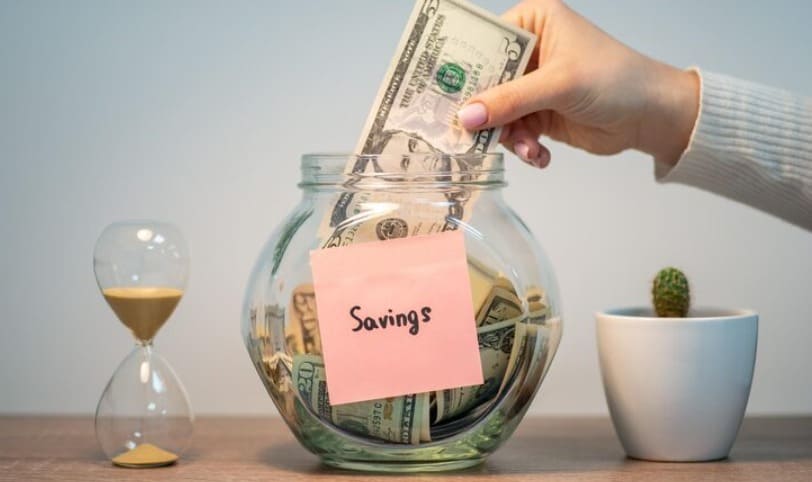
Most people do not lose their savings because of one huge mistake. Savings often disappear slowly through small financial habits repeated every day without much attention. A coffee here, an unnecessary subscription there, emotional shopping after a stressful day, or ignoring budgeting for months can silently weaken financial security over time. These subtle patterns are dangerous because they feel harmless in the moment. The truth is that Money Habits that quietly Destroy long-term financial stability more quietly than people realize.
1. Spending Without Tracking Expenses
One of the biggest reasons savings quietly disappear is because many people never truly track where their money goes. Small daily purchases such as snacks, coffee, subscriptions, online shopping, and food delivery may seem harmless individually, but together they create a major financial drain over time. Without tracking expenses, people often underestimate how much they spend and assume they have more control than they actually do. This lack of awareness causes money to disappear without purpose, making it harder to save consistently. Tracking spending creates financial clarity and helps people recognize unhealthy habits before they damage long-term stability.
2. Living Beyond Your Income
Living beyond your income slowly destroys savings because it creates a lifestyle that depends on constant spending rather than financial balance. Many people spend money trying to maintain appearances, impress others, or keep up with social expectations, even when their income cannot comfortably support those expenses. This often leads to credit card debt, financial stress, and little room for saving. Instead of building financial security, people become trapped in a cycle where every paycheck is already committed to bills and unnecessary luxuries. Long-term financial peace comes from living within your means, not from pretending to live a wealthier lifestyle.
3. Ignoring Small Purchases
Small purchases may not seem dangerous, but repeated daily spending can quietly destroy savings faster than people realize. Buying coffee every morning, ordering food frequently, purchasing unnecessary items online, or paying for unused subscriptions can add up to thousands over time. Because these expenses feel small, they rarely create immediate concern, making them easy to ignore. However, consistent small spending often becomes a hidden financial leak that weakens saving habits and reduces financial progress. Becoming more mindful of small purchases helps build stronger financial discipline and better money management.
4. Emotional Spending
Emotional spending happens when people use shopping to cope with stress, sadness, boredom, loneliness, or frustration rather than buying things they genuinely need. Purchasing something new may provide temporary emotional relief or excitement, but the feeling usually fades quickly while the financial consequences remain. Over time, emotional spending becomes a harmful cycle where emotions trigger unnecessary purchases that slowly destroy savings. Instead of solving emotional discomfort, impulsive shopping often creates additional stress through debt and financial pressure. Learning healthier ways to manage emotions can protect both emotional well-being and financial stability.
5. Depending Too Much on Credit Cards
Relying heavily on credit cards can quietly damage financial health because it encourages spending money that has not yet been earned. Credit cards often create the illusion that people can afford more than they actually can, leading to overspending and growing debt. Many individuals only make minimum payments, allowing interest charges to increase over time while savings disappear into repayment. This habit can trap people in long-term financial stress where future income is constantly used to cover past spending. Responsible credit use requires discipline, budgeting, and understanding that credit is a tool, not extra income.
6. Not Having a Budget
Without a budget, money is often spent without direction, making it easier for savings to disappear unnoticed. Many people avoid budgeting because they think it feels restrictive, but in reality, budgeting creates financial awareness and control. When there is no clear plan for spending, people tend to make impulsive financial decisions based on emotions or convenience instead of priorities. This leads to unnecessary expenses and difficulty reaching long-term financial goals. A simple budget helps organize income, control spending habits, and create healthier saving routines over time.
7. Delaying Savings Until “Later”
Many people believe they will start saving once they earn more money or become financially comfortable, but delaying savings often leads to years of missed opportunities. The longer people wait to save, the harder it becomes to build financial security because spending habits usually grow alongside income. Even small amounts saved consistently can create powerful long-term results, while postponing savings creates financial vulnerability during emergencies or unexpected situations. Saving is less about earning huge amounts and more about developing consistent financial discipline early in life.
8. Shopping to Impress Others
Trying to impress others through expensive purchases is a dangerous habit that slowly destroys savings and creates unnecessary financial pressure. Many individuals buy luxury items, branded clothing, expensive gadgets, or costly experiences mainly to gain social approval or appear successful. Social media often intensifies this behavior by creating unrealistic comparisons and encouraging people to chase lifestyles they cannot truly afford. While these purchases may bring temporary attention or validation, they rarely create lasting happiness. Real financial confidence comes from stability and peace of mind, not from impressing others with material possessions.
9. Ignoring Emergency Funds
Ignoring emergency savings leaves people financially vulnerable when unexpected problems appear. Medical emergencies, job loss, car repairs, or sudden family expenses can happen at any time, and without an emergency fund, many people are forced to rely on debt to survive difficult situations. This creates long-term financial stress and can completely destroy existing savings. Emergency funds provide both financial and emotional security because they reduce panic during uncertain times. Even saving a small amount regularly can create protection and help prevent future financial crises.
10. Paying Only Minimum Debt Payments
Paying only the minimum required amount on debt may seem manageable, but it keeps people trapped in repayment cycles for years while interest continues growing. Instead of reducing debt quickly, minimum payments mostly cover interest charges, causing balances to decrease very slowly. This habit prevents people from building savings because a large portion of their income goes toward debt repayment instead of financial growth. Over time, debt becomes emotionally exhausting and financially limiting. Paying more than the minimum whenever possible helps reduce interest, eliminate debt faster, and create more financial freedom in the future.
11. Constantly Upgrading Lifestyle
Many people increase their spending every time their income grows, which quietly prevents them from building real savings. Instead of using extra income to strengthen financial security, they immediately upgrade their lifestyle through more expensive homes, luxury items, costly vacations, or unnecessary purchases. This habit, often called lifestyle inflation, creates the illusion of progress while keeping people financially dependent on continuous high income. As expenses rise, saving becomes harder despite earning more money. Long-term financial stability comes from controlling lifestyle growth rather than constantly increasing spending with every raise or promotion.
12. Ignoring Financial Education
A lack of financial knowledge can silently destroy savings because people often make poor money decisions without fully understanding the consequences. Many individuals never learn basic financial skills such as budgeting, investing, managing debt, or saving effectively, which makes them more vulnerable to overspending and financial mistakes. Without financial education, people may rely on unhealthy habits, emotional decisions, or misleading advice that weakens long-term stability. Learning about money management helps people make smarter choices, avoid unnecessary debt, and build stronger financial confidence over time.
13. Shopping Without Planning
Shopping without a clear plan often leads to impulsive spending that slowly drains savings. Many people enter stores or browse online without knowing exactly what they need, making them more vulnerable to advertisements, discounts, and emotional purchases. This results in buying unnecessary items that provide temporary satisfaction but little long-term value. Unplanned shopping encourages careless spending habits and makes financial control more difficult. Creating shopping lists, setting spending limits, and purchasing intentionally can help reduce wasteful expenses and protect long-term savings.
14. Failing to Set Financial Goals
Without clear financial goals, saving money often feels meaningless or difficult to maintain. Many people spend carelessly because they have no specific purpose guiding their financial decisions. Goals such as buying a home, building an emergency fund, traveling, paying off debt, or preparing for retirement create motivation and discipline. When financial goals are missing, short-term desires usually become more important than long-term security. Setting realistic financial goals helps people stay focused, make smarter choices, and develop stronger saving habits over time.
15. Believing Small Savings Do Not Matter
Many people avoid saving because they believe small amounts of money are not enough to make a difference, but this mindset quietly prevents financial growth. Saving even small amounts consistently builds discipline and creates long-term financial momentum. Over time, small savings add up significantly and can provide security during emergencies or future opportunities. The habit of saving regularly is often more important than the amount itself in the beginning. People who ignore small savings opportunities usually miss the chance to build stronger financial habits and stability over time.
16. Keeping Bad Financial Influences Around
The people surrounding someone can strongly influence financial behavior, and negative financial influences often encourage unhealthy money habits. Friends or family members who overspend, rely heavily on debt, or constantly chase material status can normalize irresponsible financial decisions. Social pressure may push individuals to spend money unnecessarily just to fit in or avoid feeling left out. Over time, these influences quietly weaken savings and create poor financial discipline. Surrounding yourself with financially responsible and mindful people can encourage healthier money habits and better long-term decisions.
17. Avoiding Financial Conversations
Many people avoid discussing money because it feels uncomfortable, stressful, or embarrassing, but avoiding financial conversations often allows problems to grow worse over time. Ignoring debt, bills, savings issues, or budgeting challenges creates confusion and prevents solutions from being found early. In relationships, lack of communication about finances can also lead to conflict and misunderstanding. Open financial discussions create awareness, accountability, and better planning. Facing money problems honestly is an important step toward improving financial health and protecting long-term savings.
18. Chasing Instant Gratification
Modern culture encourages people to seek immediate pleasure, which often leads to impulsive financial decisions that quietly destroy savings. Many individuals prioritize short-term enjoyment through shopping, entertainment, or luxury spending instead of thinking about future stability. Instant gratification feels emotionally rewarding in the moment, but it often leads to regret, debt, and financial stress later. Constantly choosing temporary satisfaction over long-term goals makes saving difficult and weakens financial discipline. Learning patience and delayed gratification helps create healthier spending habits and stronger financial security.
19. Not Reviewing Monthly Spending
Failing to review monthly spending habits makes it difficult to recognize where money is being wasted. Many people continue unhealthy financial patterns simply because they never take time to evaluate their expenses. Without regular review, unnecessary spending, emotional purchases, and hidden financial leaks often go unnoticed for months or even years. Reviewing spending regularly creates awareness and helps identify areas where adjustments are needed. This simple habit improves financial control, strengthens budgeting skills, and helps protect savings from unnecessary losses.
20. Thinking More Income Solves Everything
Many people believe earning more money will automatically solve their financial problems, but higher income alone does not guarantee financial stability. Without healthy money habits, people often increase spending as their income grows, leaving little room for savings despite earning more. Financial success depends more on discipline, budgeting, and responsible spending than income level alone. Some high earners still struggle financially because poor habits continue regardless of how much money they make. Building strong financial habits is essential because savings grow through intentional behavior, not simply through bigger paychecks
21. Relying on Discounts to Justify Spending
Many people convince themselves they are saving money simply because they purchased something on sale, but buying unnecessary items at a discount still leads to wasted money. Sales, limited-time offers, and promotional deals often create emotional pressure that encourages impulsive spending. Instead of asking whether they truly need the item, people focus only on the reduced price. Over time, these “small bargains” quietly drain savings and fill homes with things that provide little real value. Smart financial habits involve spending intentionally, not purchasing unnecessary items simply because they appear cheaper.
22. Neglecting Retirement Savings
Ignoring retirement savings may not seem dangerous in the present, but it can create major financial struggles later in life. Many people delay retirement planning because it feels far away or because current expenses seem more urgent. However, waiting too long reduces the benefits of long-term saving and compound growth. Without retirement savings, individuals may become financially dependent on others or struggle to maintain stability during older age. Even small contributions made consistently can create greater financial freedom and peace of mind in the future.
23. Treating Every Achievement With Expensive Rewards
Rewarding yourself occasionally is healthy, but constantly celebrating every achievement with expensive spending can quietly weaken savings. Many people use shopping, luxury dinners, vacations, or impulsive purchases as rewards for hard work or emotional validation. Over time, this creates a habit where success automatically triggers unnecessary spending. While these rewards may feel satisfying temporarily, they often reduce financial progress and encourage emotional spending patterns. Finding balanced and affordable ways to celebrate achievements helps maintain both emotional happiness and financial stability.
24. Ignoring Subscription Services
Subscription services often feel inexpensive individually, which makes them easy to forget about. Streaming platforms, apps, memberships, gaming services, and automatic renewals quietly take money from accounts every month without much attention. Many people continue paying for services they rarely use simply because the charges seem small or automatic. Over time, these recurring expenses add up significantly and reduce savings without providing meaningful value. Reviewing subscriptions regularly helps eliminate unnecessary costs and improve financial awareness.
25. Borrowing Money for Non-Essential Things
Using borrowed money for unnecessary purchases can create long-term financial pressure for short-term satisfaction. Many people finance luxury items, expensive gadgets, vacations, or lifestyle upgrades they cannot truly afford. While borrowing may make these purchases seem accessible, debt often lasts much longer than the temporary excitement the item provides. Interest payments increase overall costs and reduce future financial flexibility. Responsible financial habits involve borrowing carefully and prioritizing long-term stability over immediate desires.
26. Avoiding Investing Completely
Some people keep all their money in basic savings accounts because they fear investing or do not understand it. While saving money is important, avoiding investing completely can limit long-term financial growth. Inflation slowly reduces the value of money over time, meaning savings may lose purchasing power if they never grow. Responsible investing helps build wealth, prepare for retirement, and create stronger financial security. Learning basic investment knowledge can help people make smarter decisions and protect their financial future more effectively.
27. Giving in to Peer Pressure Spending
Peer pressure does not only affect teenagers — adults also spend money trying to fit into social groups or avoid feeling left out. Expensive outings, unnecessary gifts, luxury trends, and social expectations often encourage people to spend beyond their comfort level. Saying yes to every invitation or purchase just to match others can quietly destroy savings over time. Financial decisions should reflect personal priorities and financial reality rather than social pressure. Learning to say no confidently is an important part of building financial discipline.
28. Depending on Future Income Too Much
Many people spend money today based on income they expect to earn later, assuming future raises, bonuses, or opportunities will solve current financial problems. This mindset creates risky spending habits because the future is never guaranteed. Unexpected life changes such as job loss, emergencies, or economic problems can quickly disrupt financial plans. Depending too heavily on future income often leads to debt, overspending, and financial instability. Healthy financial habits focus on managing money responsibly in the present instead of relying on uncertain future earnings.
29. Ignoring Financial Stress Warning Signs
Financial stress often appears gradually through anxiety, constant worry about bills, difficulty sleeping, or feeling overwhelmed by money problems. Many people ignore these warning signs and continue unhealthy financial habits instead of addressing the root causes. Avoiding financial reality allows problems to grow larger and harder to manage over time. Recognizing financial stress early encourages healthier budgeting, better planning, and more responsible spending decisions. Paying attention to emotional and financial warning signs can prevent long-term financial damage.
30. Believing Wealth Is Built Overnight
Many people chase unrealistic financial success because they believe wealth should happen quickly. Social media and online success stories often create the illusion that financial freedom comes instantly through shortcuts or sudden opportunities. This mindset encourages risky decisions, impulsive investments, overspending, or frustration when progress feels slow. In reality, long-term wealth is usually built through patience, consistency, discipline, and healthy financial habits repeated over many years. Understanding that financial growth takes time helps people stay focused on sustainable saving and smarter money management.