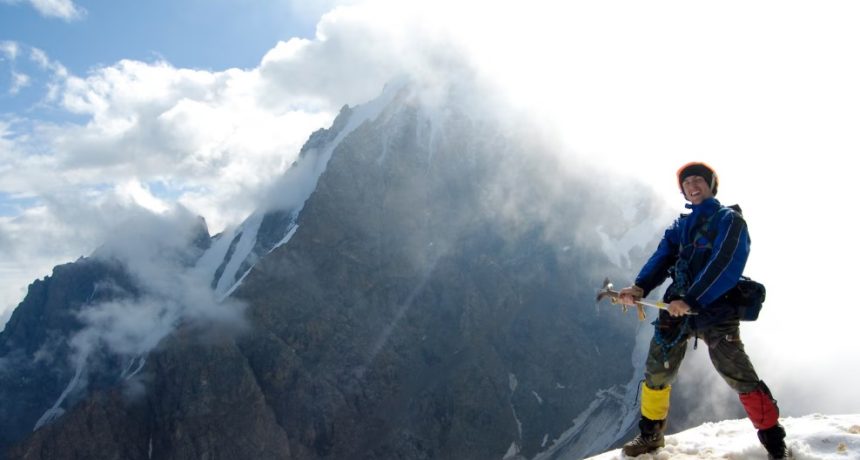
Climbing a peak is both exhilarating and challenging, but preparation is key. Whether you’re a beginner or an experienced mountaineer, understanding the terrain, weather, gear, and your physical limits can make the difference between a safe, successful climb and a dangerous experience. Peaks test not only your strength but also your planning, decision-making, and endurance. In this blog, we’ll explore essential tips, precautions, and knowledge every climber should have before attempting any peak, ensuring that your adventure is safe, enjoyable, and rewarding. Here’s the Things You Should Know Before Climbing Any Peak
Things You Should Know Before Climbing Any Peak – Points 1–20 (Expanded)
1. Know Your Physical Limits
Before attempting any climb, it’s crucial to honestly assess your physical fitness and stamina. Mountains demand endurance, strength, and flexibility. Overestimating your abilities can lead to exhaustion, falls, or even life-threatening situations. Start with smaller hikes to gauge your fitness and gradually build up to more challenging peaks. Listening to your body during training and the climb itself is vital for a safe ascent.
2. Research the Terrain Thoroughly
Every mountain has unique features—steep cliffs, rocky paths, glaciers, or dense forests. Studying trail maps, elevation charts, and climbers’ reviews helps you understand the route’s difficulty, time required, and potential hazards. Being familiar with the terrain reduces the risk of getting lost and allows you to plan breaks, water stops, and emergency points efficiently.
3. Check Weather Conditions in Advance
Weather in mountainous areas changes rapidly. A sunny morning can turn into a snowstorm within hours. Check local forecasts and understand seasonal patterns. Being aware of potential rain, high winds, or temperature drops helps you pack the right gear and avoid dangerous conditions. Always have a backup plan for sudden changes.
4. Understand Altitude Sickness
High-altitude climbing can affect your body in unpredictable ways. Symptoms like headaches, nausea, dizziness, and shortness of breath are common. Understanding how altitude sickness develops, recognizing early warning signs, and knowing preventive measures like gradual acclimatization, staying hydrated, and pacing yourself is essential for safety and survival.
5. Pack the Right Gear
Having appropriate climbing gear is not optional—it’s essential. This includes sturdy boots, ropes, harnesses, helmets, weather-resistant clothing, and first aid supplies. The right gear protects you against harsh conditions, prevents injuries, and ensures you can tackle technical sections safely. Check and test all equipment before your climb.
6. Carry Sufficient Food and Water
Climbing burns a tremendous amount of calories. Carry high-energy snacks such as nuts, dried fruits, and energy bars. Hydration is equally important; altitude and exertion increase fluid loss. Dehydration can worsen fatigue, reduce mental clarity, and increase the risk of accidents. Plan for more water than you think you’ll need.
7. Learn Basic Navigation Skills
Maps, compasses, and GPS devices are your lifelines in unfamiliar terrain. Trails can be misleading, and natural markers may change with weather. Learning navigation skills ensures you can find your way even if paths are obscured or signs are missing, preventing you from becoming lost in potentially hazardous areas.
8. Understand Emergency Protocols
Accidents, injuries, or sudden illness can happen to anyone. Learn basic first aid, understand how to signal for help, and know the nearest emergency shelters or ranger stations. Carrying a first aid kit and understanding how to use it can save lives, while knowing local emergency numbers ensures you can call for assistance quickly.
9. Wear Layered Clothing
Mountain weather can vary dramatically in a single day. Layering allows you to adjust to temperature changes efficiently. A moisture-wicking base layer keeps sweat off your skin, a mid-layer insulates your body, and an outer layer protects against wind, rain, or snow. Proper layering prevents hypothermia and keeps you comfortable throughout the climb.
10. Use Proper Footwear
Climbing requires footwear that is both durable and supportive. Boots with strong grip prevent slips on rocks, mud, or ice, while cushioned soles reduce strain on your feet and joints. Ill-fitting shoes can cause blisters, injuries, or accidents, so always invest in climbing-specific footwear and break them in before your ascent.
11. Inform Someone About Your Plans
Never climb a peak alone without informing someone. Tell friends, family, or a guide about your route, expected timeline, and return. In case of an emergency, someone knowing your plans increases the chances of rescue and ensures help can reach you quickly if needed.
12. Learn Basic Climbing Techniques
Even non-technical peaks may require knowledge of proper walking techniques, rope handling, and navigating loose or rocky terrain. Understanding techniques like using trekking poles, maintaining balance on uneven surfaces, or safely descending steep paths reduces the risk of falls and injury.
13. Acclimate to Altitude Gradually
Climbing too quickly can lead to altitude sickness. Spend time at intermediate elevations to allow your body to adapt to thinner air. This gradual acclimatization improves performance, prevents dangerous symptoms, and ensures a more enjoyable climbing experience.
14. Understand Local Wildlife
Mountains are habitats for various wildlife, some of which can be dangerous. Learn about the animals you might encounter and how to behave safely around them. Avoid feeding animals, maintain distance, and know how to respond to potential encounters to prevent accidents or conflicts.
15. Protect Against Sun Exposure
Sunlight intensifies at high elevations, increasing the risk of sunburn and eye damage. Use sunscreen, wear UV-protective sunglasses, and a hat or scarf. Protecting your skin and eyes prevents discomfort, long-term damage, and reduces fatigue caused by exposure to intense sunlight.
16. Plan Your Timing Strategically
Start your climb early in the day to maximize daylight and avoid afternoon storms or harsh winds. Proper timing ensures you can complete the ascent and descent safely, reduces the risk of fatigue, and allows time to handle unexpected delays or emergencies.
17. Check Permits and Regulations
Some mountains require permits, have restricted areas, or enforce environmental guidelines. Research regulations ahead of time to avoid fines or legal issues and to respect conservation efforts. Proper permits also ensure safer access and support local authorities’ safety measures.
18. Train Your Mind Mentally
Climbing is as much mental as physical. Prepare yourself to deal with fear, fatigue, and unexpected obstacles. Visualization, meditation, and positive thinking improve focus, resilience, and the ability to make critical decisions under pressure.
19. Know How to Pace Yourself
Maintaining a steady pace is crucial. Going too fast leads to exhaustion, while too slow may risk missing weather windows. Learn to monitor energy, rest appropriately, and adjust speed according to terrain, weather, and physical condition for a safer ascent.
20. Carry Communication Devices
Always have reliable means to communicate in emergencies, such as a phone, satellite communicator, or two-way radio. Signal may be weak in remote areas, so knowing how to use multiple communication methods ensures you can call for help if needed.
21. Know How to Read the Terrain
Climbers must learn to interpret rocks, slopes, vegetation, and snow conditions to anticipate challenges. Understanding the terrain allows you to pick safer paths, avoid unstable areas, and identify the easiest routes. For instance, mossy rocks may indicate slippery surfaces, while cracked snow can signal hidden crevasses. This knowledge can prevent injuries and improve your pace.
22. Stay Aware of Environmental Hazards
Mountains are unpredictable. Falling rocks, sudden storms, avalanches, or hidden crevasses can appear without warning. Always scan your surroundings, listen to subtle cues like shifting snow or wind patterns, and adjust your route accordingly. Awareness is the first step to avoiding accidents before they happen.
23. Understand Hydration Needs at High Altitude
Climbers lose water faster at altitude due to increased breathing and physical exertion. Dehydration can cause fatigue, dizziness, and altitude sickness. Drink small amounts frequently, carry water purification tools for streams, and monitor urine color to ensure proper hydration throughout the climb.
24. Carry Emergency Food Supplies
Weather delays or unexpected physical challenges can extend your climb. Always carry extra high-calorie snacks such as nuts, energy bars, or chocolate. These foods are lightweight and provide quick energy, helping maintain focus and physical strength in case of prolonged climbs or emergencies.
25. Practice Leave No Trace Principles
Respecting nature preserves the beauty and safety of climbing routes. Avoid littering, stay on established trails, and minimize campfire use. Leave No Trace principles protect ecosystems, reduce hazards like erosion, and ensure future climbers can enjoy the environment safely.
26. Know How to Handle Sudden Weather Changes
Weather in mountains can shift rapidly. Learn to read clouds, wind shifts, and temperature drops. Carry rain gear, extra layers, and emergency shelter. Quick reactions to weather changes can prevent hypothermia, frostbite, or getting stranded.
27. Schedule Regular Rest Breaks
Climbing nonstop leads to fatigue, impaired judgment, and increased risk of accidents. Take short breaks to hydrate, snack, stretch, and check your equipment. Regular rest also allows your body to adjust to altitude changes gradually, improving endurance and mental focus.
28. Learn to Use Climbing Tools Properly
Equipment like crampons, ice axes, ropes, and harnesses are critical for safety. Learning correct usage and practicing techniques beforehand reduces accidents, improves climbing efficiency, and gives confidence in challenging or technical sections of the mountain.
29. Know Your Route Alternatives
Sometimes primary trails are blocked by landslides, snow, or ice. Identifying backup routes in advance ensures you can change plans safely. Flexibility allows you to avoid dangerous terrain and continue your climb without panic or confusion.
30. Recognize Signs of Hypothermia
Hypothermia can set in quickly in cold, windy, or wet conditions. Symptoms include uncontrollable shivering, slurred speech, confusion, and extreme fatigue. Knowing how to respond—adding layers, seeking shelter, and warming up—can prevent serious injury or death.
31. Carry Adequate Lighting
Headlamps or flashlights with spare batteries are essential for early starts or late descents. Mountains can become pitch dark unexpectedly, and proper lighting ensures you can navigate safely, avoid obstacles, and perform emergency tasks if needed.
32. Travel with a Partner or Group
Climbing with others increases safety, morale, and efficiency. Partners can assist with injuries, share gear, provide motivation, and help navigate challenging areas. Group climbs also provide backup in emergencies and reduce the risks associated with solo expeditions.
33. Learn Basic First Aid
Minor injuries like blisters, sprains, or cuts are common. Knowing first aid allows you to treat these issues promptly, preventing infections and further complications. Include a well-stocked first aid kit and practice using it before your climb.
34. Monitor Your Heart Rate
High altitude and physical exertion put stress on the heart. Monitoring your pulse ensures you are not overexerting yourself and helps detect early signs of fatigue, dehydration, or altitude sickness, allowing for timely rest and hydration.
35. Recognize Avalanche Risk
If climbing snow-covered mountains, understanding snow layers, slope angles, and warning signs is essential. Avoid high-risk areas, use avalanche safety equipment, and follow guidance from experienced climbers or local authorities to prevent life-threatening situations.
36. Respect Local Customs and Regulations
Many peaks are culturally or environmentally protected. Follow local rules, obtain necessary permits, and respect sacred sites. Compliance ensures legal safety, environmental preservation, and fosters positive relationships with local communities and authorities.
37. Train for Strength, Endurance, and Flexibility
Physical preparation includes cardiovascular fitness, leg strength, core stability, and flexibility. Proper training reduces fatigue, enhances balance on uneven terrain, and prepares your body for unexpected challenges, making the climb safer and more enjoyable.
38. Protect Against Insects and Wildlife
Mountain wildlife, including insects, snakes, or larger animals, can pose risks. Use insect repellents, wear protective clothing, and maintain a safe distance from animals. Understanding wildlife behavior minimizes encounters and keeps both climbers and animals safe.
39. Learn to Use GPS and Navigation Devices
GPS can be invaluable in unfamiliar terrain. Learn to operate your device, mark waypoints, and understand emergency features. GPS supplements map skills, providing a safety net when trails are obscured or landmarks are missing.
40. Be Prepared for Emergencies
Accidents, illness, or weather can force you to respond quickly. Know the steps for sheltering, signaling for help, rationing food, and handling injuries. Being mentally and physically prepared ensures you can handle unexpected challenges effectively.
41. Follow Climbing Ethics
Respect other climbers, avoid cutting corners, and minimize risks to yourself and others. Ethical climbing includes safe pacing, sharing information, and maintaining trail etiquette, which ensures everyone’s safety and preserves the climbing experience.
42. Maintain Steady Breathing
Controlled breathing conserves energy, reduces fatigue, and helps with acclimatization at high altitudes. Practice rhythmic breathing techniques to improve oxygen efficiency and maintain focus during long or strenuous ascents.
43. Build Mental Resilience
Climbing is as much a mental challenge as a physical one. Fear, stress, and fatigue test your focus. Developing mental strength through visualization, mindfulness, or positive self-talk improves decision-making and allows you to face challenges calmly.
44. Prevent Hypoxia at High Altitudes
Low oxygen affects coordination, judgment, and energy levels. Ascend gradually, take breaks, and recognize early symptoms like shortness of breath or dizziness. Awareness and proactive measures prevent serious altitude-related complications.
45. Master Walking on Loose or Slippery Terrain
Climbing on loose gravel, wet rocks, or icy patches requires careful foot placement, use of trekking poles, and body balance. Practicing these techniques reduces slips and increases safety in difficult conditions.
46. Keep Emergency Contact Information Handy
Have printed lists of local emergency numbers, rescue services, or park authorities. Electronic devices may fail, so hard copies ensure you can reach help when technology is unavailable.
47. Pack Lightweight Sleeping or Shelter Options
If an overnight stay is required, carry compact, lightweight sleeping options such as tents, bivvy bags, or emergency shelters. Proper rest is essential to maintain energy, prevent hypothermia, and ensure safety.
48. Avoid Overpacking Your Backpack
Extra weight increases fatigue and slows progress. Pack only essentials, distribute weight evenly, and prioritize safety and survival items. A balanced pack improves endurance, comfort, and reduces the risk of injury.
49. Observe Fatigue in Yourself and Others
Recognize early signs of exhaustion, dehydration, or altitude stress in yourself and companions. Adjust pace, rest, or provide support as needed. Early intervention prevents accidents and ensures group safety.
50. Appreciate the Journey, Not Just the Summit
Reaching the peak is rewarding, but the journey teaches skills, patience, and resilience. Enjoying the scenery, wildlife, and personal growth makes climbing more meaningful and safer by keeping morale high.