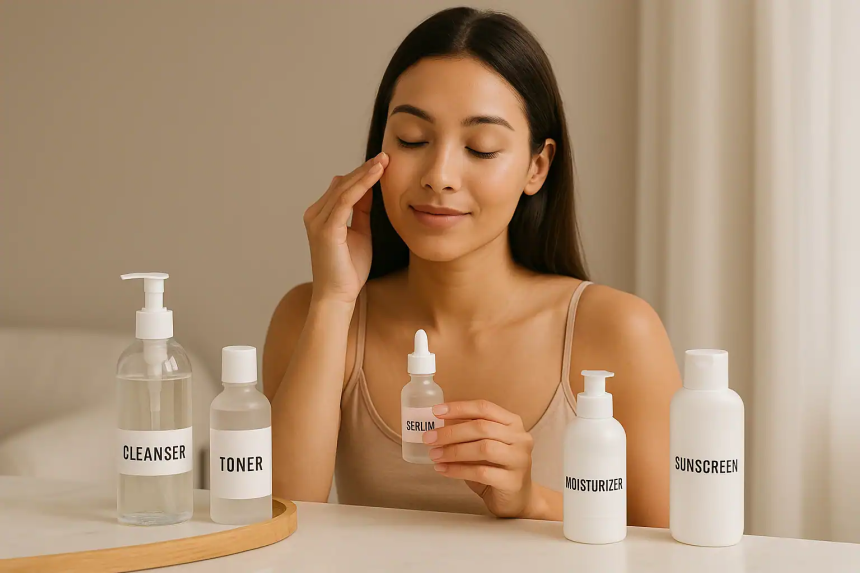
Layering skincare products might seem simple but doing it incorrectly can reduce their effectiveness or even irritate your skin. Understanding how to layer skincare products correctly ensures that each product works as intended, from cleansing and toning to treating and moisturizing. Following the proper sequence allows active ingredients to penetrate effectively, enhances hydration, and prevents product interference, ultimately helping you achieve healthier, glowing skin.
1. Start with Cleansing
Always begin with a gentle cleanser to remove dirt, oil, and makeup. Clean skin ensures that all following products penetrate effectively.
2. Use Toner Next
Toners balance your skin’s pH, remove leftover impurities, and prepare the skin for treatment products.
3. Apply Essences
Essences are lightweight, hydrating liquids that deliver moisture and nutrients deep into the skin, enhancing absorption of other products.
4. Treat with Serums
Serums contain concentrated active ingredients for specific concerns like acne, pigmentation, or fine lines. Apply thin layers for maximum absorption.
5. Apply Spot Treatments
If you use acne or dark spot treatments, apply them after serums but before heavier creams. This ensures targeted treatment without interference.
6. Use Eye Creams
Gently apply eye creams to hydrate and protect the delicate under-eye area, preventing irritation from other products.
7. Layer Moisturizer
Moisturizers lock in hydration and form a barrier to prevent active ingredients from evaporating. For dry skin, consider richer creams; for oily skin, a lightweight gel works best.
8. Apply Facial Oils
Oils should generally be applied last to seal in moisture and nutrients. They also help enhance the absorption of water-based products layered underneath.
9. Use Sunscreen in the Morning
Sunscreen is always the final step in the morning routine to protect your skin from UV damage. Apply generously and reapply as needed.
10. Exfoliate Occasionally
Use chemical or physical exfoliants 1–3 times a week before applying your regular routine to improve product absorption. Avoid layering too many active ingredients on exfoliated skin at once.
11. Apply Masks Strategically
Hydrating or treatment masks can be used after cleansing but before heavier creams or oils. Follow instructions to prevent overloading skin.
12. Wait Between Layers
Allow 30–60 seconds between layers for each product to absorb, especially serums and actives, to prevent dilution or irritation.
13. Layer Lightest to Heaviest
Always apply water-based products first, then creamy textures, and finish with oils. This ensures proper absorption and prevents pilling.
14. Pay Attention to Active Ingredients
Some actives, like vitamin C, retinol, or acids, can interact. Research combinations to prevent irritation and maximize benefits.
15. Morning vs. Night Routine
Use antioxidant-rich products like vitamin C in the morning for protection, and retinol or repair-focused products at night for regeneration.
16. Avoid Overloading Skin
More products aren’t always better. Focus on layering essentials and active treatments relevant to your skin type and concerns.
17. Hydrate Throughout the Day
Even if layered correctly, skin needs hydration. Use a mist or light moisturizer as needed to maintain a healthy barrier.
18. Customize to Skin Type
Oily skin may prefer lighter gels and serums, while dry skin benefits from creamier layers. Adjust the sequence for your skin’s needs.
19. Patch Test New Products
Before adding new products, patch test to prevent reactions, especially when layering multiple actives.
20. Consistency is Key
Proper layering should be followed daily for optimal results. Skipping steps or applying in the wrong order reduces effectiveness.
Conclusion:
Learning to layer skincare products correctly is essential for achieving healthy, radiant skin. By following the proper order—from cleansing, toning, and treating with serums to moisturizing, applying oils, and protecting with sunscreen—you maximize absorption and prevent product interference. Tailor your routine to your skin type and concerns, allow time for absorption, and maintain consistency for the best long-term results.