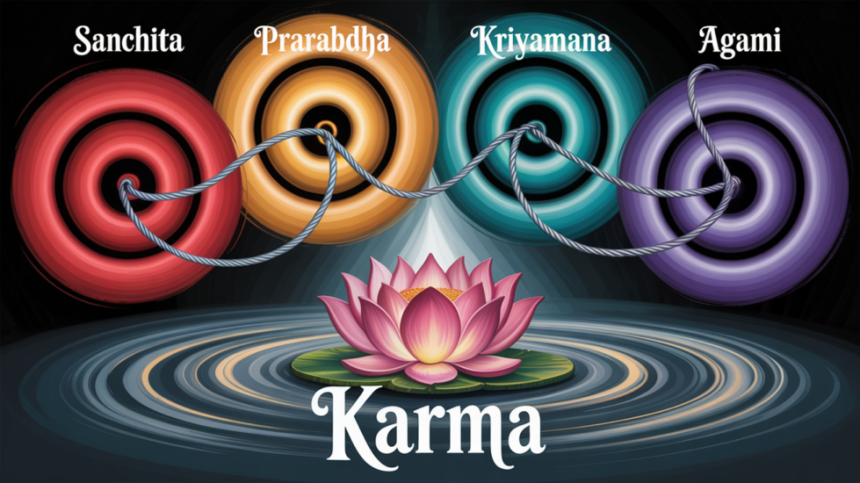
Karma is often misunderstood as simply “good or bad luck,” but in reality, it is a natural law of cause and effect. Every action, thought, and intention we carry creates consequences that shape our experiences, relationships, and opportunities. understanding karma in both subtle and obvious ways, influencing personal growth, emotional health, career choices, and social interactions. It is not mystical—it is deeply practical, logical, and observable in daily life. From the energy we put into work, friendships, and family to the decisions we make in moral and ethical contexts, karma reflects back the results of our actions. Below are many realistic reasons showing how karma operates and shapes life.
How Karma Shapes Life: Many Realistic Reasons
1. Actions Have Consequences
Every choice we make, big or small, produces outcomes. Kind actions often generate trust and goodwill, while harmful actions create conflict or distrust.
2. Words Matter
Verbal expressions carry energy. Positive, honest communication strengthens relationships, whereas gossip, lies, or insults can damage reputations and bonds.
3. Habits Influence Outcomes
Daily habits, like discipline or procrastination, compound over time, shaping success, health, and opportunities in life.
4. Intentions Determine Effects
The motivation behind an action matters. Generous deeds done with selfish intent may bring limited benefits, while sincere intentions magnify positive outcomes.
5. Emotional Energy Impacts Surroundings
Anger, resentment, or jealousy create tension, leading to negative social responses. Gratitude, compassion, and positivity often attract support and collaboration.
6. Relationships Reflect Actions
How we treat family, friends, and colleagues affects our relationships. Respectful and empathetic behavior strengthens bonds; neglect or harm may result in estrangement.
7. Career Opportunities
Professional success is influenced by consistent effort, integrity, and cooperation. Dishonest or lazy behavior can result in missed promotions or conflicts.
8. Financial Outcomes
Generosity, honesty, and smart money management often bring stability. Greed, fraud, or negligence may lead to financial struggles.
9. Health Consequences
Stressful actions, neglect of self-care, or harmful habits affect physical and mental health. Positive habits—exercise, healthy eating, mindfulness—enhance well-being.
10. Learning Through Mistakes
Mistakes and failures are karmic lessons, offering opportunities to improve behavior and decision-making.
11. Delayed Consequences
Some karmic effects manifest immediately, others after time. Long-term behavior often shapes life experiences years later.
12. Social Perception
Actions influence how others perceive us. Positive deeds build reputation and credibility; negative behavior can harm social standing.
13. Reciprocity in Life
Helping others often encourages reciprocal assistance, while harming others can create obstacles through resistance or conflict.
14. Inner Peace
Living ethically and positively brings emotional satisfaction, reducing guilt, stress, and internal conflict.
15. Personal Growth
Challenges faced due to prior actions encourage reflection, learning, and personal development.
16. Conflict and Resolution
Negative actions often lead to conflicts, but addressing them responsibly can foster understanding and karmic balance.
17. Community Impact
Actions affect not only personal life but also the community. Positive contributions improve society; harmful behavior can create tension or instability.
18. Emotional Patterns
Repeated negativity or kindness creates habitual mental patterns, influencing reactions, relationships, and life trajectory.
19. Mindful Choices Create Opportunities
Being conscious of actions and decisions increases positive outcomes and reduces avoidable negative consequences.
20. Influence on Next Generations
Behavior and values passed to children and students shape their development and karmic patterns.
21. Law of Cause and Effect
Karma is a logical system: intentional actions lead to predictable consequences over time.
22. Self-Reflection Improves Karma
Reflecting on past actions allows correction, mitigating negative patterns and enhancing life outcomes.
23. Emotional Accountability
Taking responsibility for emotions prevents harmful projections onto others, maintaining harmony in relationships.
24. Forgiveness Enhances Karmic Flow
Letting go of resentment prevents negative energy buildup, allowing positive experiences to manifest.
25. Integrity Strengthens Life
Honest and principled actions attract trust, collaboration, and opportunities.
26. Generosity Creates Abundance
Giving time, help, or resources fosters goodwill and often returns in unexpected forms.
27. Selfishness Limits Growth
Hoarding or prioritizing personal gain over ethics can result in resistance or social isolation.
28. Patience Rewards Effort
Persistent, ethical effort may yield delayed but meaningful benefits, illustrating long-term karmic effects.
29. Anger and Revenge Backfire
Attempting harm or retaliation often leads to greater conflict, stress, or isolation.
30. Compassion Attracts Support
Empathy and kindness create a network of support, reducing life challenges.
31. Neglect Leads to Loss
Ignoring responsibilities or relationships often results in missed opportunities and weakened bonds.
32. Ethical Decisions Promote Peace
Making morally sound choices reduces regret, stress, and internal conflict.
33. Energy Resonates
Positive energy in actions attracts like-minded people, while negativity repels them.
34. Conflict Teaches Lessons
Disagreements and challenges provide insight into personal behavior and life patterns.
35. Generational Karma
Some karmic patterns are influenced by family history, upbringing, and inherited habits, shaping life subtly.
36. Mindfulness Prevents Harm
Being aware of actions minimizes harm to oneself and others, enhancing positive life outcomes.
37. Habits of Gratitude
Regularly appreciating life attracts more positive experiences and builds resilience.
38. Consequences of Neglect
Ignoring important responsibilities—health, finances, relationships—leads to tangible negative outcomes.
39. Learning Responsibility
Karma emphasizes accountability, encouraging responsible and thoughtful living.
40. Spiritual Growth
Understanding cause and effect fosters wisdom, emotional maturity, and life purpose.
41. Career Reputation
Ethical and cooperative behavior enhances professional reputation; unethical conduct can cause setbacks.
42. Relationships Quality
Trust, loyalty, and kindness create strong, lasting relationships; betrayal or neglect damages bonds.
43. Self-Esteem
Positive actions reinforce confidence; negative actions induce guilt, shame, or insecurity.
44. Environmental Impact
Actions toward nature and community have long-term karmic consequences affecting personal and collective life.
45. Emotional Resonance
How we treat others often reflects back, influencing emotional atmosphere in personal life.
46. Cause-and-Effect Awareness
Observing outcomes of actions develops foresight, improving life decisions.
47. Self-Discipline
Karma rewards consistent, intentional behavior and punishes neglectful or impulsive actions.
48. Healthy Boundaries
Respecting self and others reduces conflict and negative karmic outcomes.
49. Positive Mindset
Optimism influences decisions, relationships, and resilience, creating better life circumstances.
50. Accountability Encourages Growth
Owning consequences helps learn from mistakes, enhancing personal and spiritual development.
51. Influence of Society
Our actions ripple in social circles, impacting friendships, community, and professional life.
52. Learning Through Repetition
Repeated challenges often indicate lessons we haven’t yet internalized.
53. Self-Reflection Reduces Mistakes
Contemplating past choices allows for improvement and prevents repeating harmful patterns.
54. Emotional Intelligence Strengthens Karma
Understanding emotions guides ethical behavior and reduces conflict.
55. Patience in Life Decisions
Rushed or impulsive actions often produce negative outcomes, while careful consideration improves karma.
56. Understanding Others’ Perspectives
Empathy fosters positive interactions, mitigating conflict and negative consequences.
57. Consistency Builds Trust
Reliable and ethical behavior creates stability and positive life results.
58. Avoiding Impulsive Reactions
Controlling impulses prevents harm to self and others, promoting favorable outcomes.
59. Learning From Consequences
Observing the results of past actions informs better decisions in the future.
60. Positive Action Multiplies Benefits
Small acts of kindness or integrity often produce disproportionate positive effects over time.
Final Thoughts
Karma is a logical, practical system of cause and effect. Every thought, action, and intention shapes life experiences, influencing relationships, career, health, and personal growth. By acting ethically, cultivating mindfulness, and taking responsibility for actions, anyone can understand how karma shapes life and consciously create positive outcomes. Karma is not about punishment or reward—it’s about living thoughtfully, understanding consequences, and fostering harmony in your life and the lives of others.