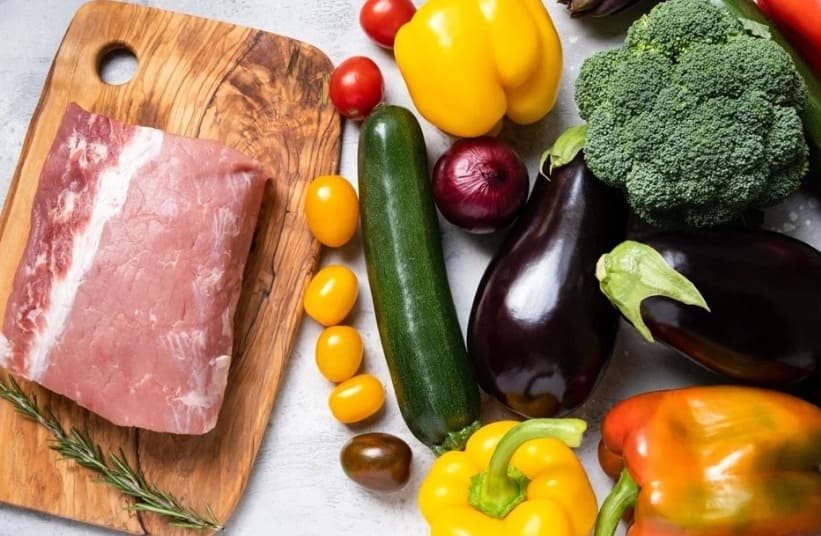
When it comes to choosing a diet, the debate between vegetarian vs non-vegetarian healthier options continues to intrigue many. Both diets offer unique benefits and challenges, but understanding the nutritional content, health impacts, and lifestyle effects can help you make an informed decision. While vegetarian diets focus on fruits, vegetables, legumes, and grains, non-vegetarian diets include meat, fish, and dairy, providing high-quality protein and essential nutrients. In this blog, we will explore both diets in detail, comparing their health effects, potential risks, and practical considerations for daily living.
Health & Disease Prevention
- Reduced Risk of Stroke (Vegetarian) – High fiber and low saturated fat protect against blood clots.
- Better Heart Recovery (Vegetarian) – Antioxidant-rich foods improve heart function after cardiac events.
- Lower Cancer Incidence (Vegetarian) – Phytochemicals and antioxidants help prevent cell mutations.
- Stronger Immune Function (Vegetarian) – Vitamins A, C, and E support immune response.
- Healthy Blood Pressure (Vegetarian) – Potassium-rich plant foods naturally regulate blood pressure.
- Weight Loss Support (Vegetarian) – Low-calorie, high-fiber foods promote fat loss.
- Reduced Cholesterol (Vegetarian) – No animal fat reduces LDL levels.
- Better Digestive Regularity (Vegetarian) – Fiber promotes healthy gut motility.
- Balanced Blood Sugar (Vegetarian) – Complex carbs stabilize glucose and prevent insulin spikes.
- Bone Health (Non-Vegetarian) – Protein and vitamin D from meat, fish, and dairy support strong bones.
- Muscle Recovery (Non-Vegetarian) – High-quality animal protein repairs muscle tissues efficiently.
- B12 Source (Non-Vegetarian) – Essential for energy, red blood cell formation, and neurological health.
- Iron Absorption (Non-Vegetarian) – Heme iron from meat is more easily absorbed than plant iron.
- Zinc Intake (Non-Vegetarian) – Supports immunity, healing, and metabolic functions.
- Omega-3 Benefits (Non-Vegetarian) – DHA and EPA from fish support brain, heart, and eye health.
- Satiety & Energy (Non-Vegetarian) – Protein-rich meals increase fullness and reduce cravings.
- Cognitive Function Support (Non-Vegetarian) – Omega-3s and B vitamins aid memory and focus.
- Supports Athletic Performance (Non-Vegetarian) – Protein and creatine enhance strength and recovery.
- Liver Health (Vegetarian) – Plant-based diets reduce fatty liver risk.
- Lower Risk of Type 2 Diabetes (Vegetarian) – Fiber, low glycemic index, and antioxidants help prevent insulin resistance.
B. Nutrition & Lifestyle
- Variety of Antioxidants (Vegetarian) – Carotenoids, polyphenols, and flavonoids combat oxidative stress.
- Hydration Benefits (Vegetarian) – Fruits and vegetables contain water, aiding hydration.
- Flexibility in Meal Prep (Vegetarian) – Wide variety of grains, legumes, and vegetables.
- Low-Calorie Snacks (Vegetarian) – Fruits, nuts, and seeds are convenient and healthy.
- Supports Mindful Eating (Vegetarian) – Plant-based meals encourage conscious consumption.
- Balanced Macronutrients (Non-Vegetarian) – Meat provides protein, fat, and some micronutrients in one meal.
- Higher Bioavailability of Nutrients (Non-Vegetarian) – Vitamins and minerals in meat are absorbed efficiently.
- Convenience of Protein (Non-Vegetarian) – Quick sources like eggs, yogurt, and chicken.
- Supports Brain Function (Non-Vegetarian) – DHA from fish improves cognition and mental health.
- Meal Satisfaction (Non-Vegetarian) – Protein and fat combination keeps you full longer.
- Promotes Balanced Hormones (Vegetarian) – Phytoestrogens in soy support hormonal balance.
- Natural Anti-Inflammatory Foods (Vegetarian) – Leafy greens, turmeric, and berries reduce inflammation.
- Reduced Salt and Preservatives (Vegetarian) – Home-cooked plant meals typically lower in additives.
- Supports Healthy Aging (Vegetarian) – Antioxidants slow cellular aging and improve vitality.
- Supports Muscle Growth (Non-Vegetarian) – Complete protein helps in building and repairing muscles.
- Iron-Rich Foods (Non-Vegetarian) – Red meat prevents iron-deficiency anemia effectively.
- Bone Density Support (Non-Vegetarian) – Protein and calcium intake promotes stronger bones.
- Vitamin D Source (Non-Vegetarian) – Fatty fish improves bone health and mood.
- Enhances Focus and Energy (Non-Vegetarian) – Nutrient-dense meals maintain energy for long hours.
- Supports Active Lifestyle (Non-Vegetarian) – High-protein meals fuel endurance and recovery.
C. Mental & Emotional Benefits
- Reduced Anxiety (Vegetarian) – Stabilized blood sugar reduces mood swings.
- Improved Sleep Quality (Vegetarian) – Magnesium-rich plant foods promote relaxation.
- Mindful Lifestyle (Vegetarian) – Preparing plant-based meals fosters intentional living.
- Cognitive Longevity (Vegetarian) – Antioxidants protect neurons from oxidative damage.
- Mood Stability (Vegetarian) – Balanced carbs, fiber, and micronutrients improve serotonin production.
- Improved Focus (Non-Vegetarian) – Amino acids and omega-3s support concentration.
- Supports Memory (Non-Vegetarian) – B12 and DHA prevent cognitive decline.
- Energy and Productivity (Non-Vegetarian) – Nutrient-rich meals enhance stamina and focus.
- Reduced Mental Fatigue (Vegetarian) – Steady energy from plant foods prevents crashes.
- Better Emotional Wellbeing (Vegetarian) – Balanced diets promote self-care and satisfaction.
- Lower Stress Levels (Vegetarian) – Plant-based diets reduce inflammation, which is linked to stress.
- Enhanced Learning (Non-Vegetarian) – Protein and omega-3s improve brain performance.
- Supports Neurotransmitter Production (Non-Vegetarian) – Amino acids help mood and cognition.
- Mental Clarity (Vegetarian) – High antioxidants reduce brain fog.
- Encourages Mindful Eating (Non-Vegetarian) – Planning balanced meals promotes awareness and health.
D. Environmental & Ethical Benefits
- Lower Carbon Footprint (Vegetarian) – Plants require less energy to produce.
- Conserves Water Resources (Vegetarian) – Vegetables and grains use significantly less water than meat.
- Reduces Land Use (Vegetarian) – Plant-based diets require less farmland.
- Protects Wildlife (Vegetarian) – Less meat reduces harm to animals.
- Sustainable Farming Practices (Vegetarian) – Encourages local, seasonal food consumption.
- Ethical Considerations (Vegetarian) – Avoids killing animals for food.
- Reduces Ocean Depletion (Vegetarian) – Less reliance on seafood preserves marine ecosystems.
- Biodiversity Support (Vegetarian) – Plant-focused agriculture preserves natural habitats.
- Food Security (Vegetarian) – Plant diets are more efficient in feeding global populations.
- Promotes Conscious Living (Vegetarian) – Encourages awareness of diet and environmental impact.
E. Practical Lifestyle Benefits
- Affordable Meals (Vegetarian) – Beans, grains, and vegetables cost less than meat.
- Quick Cooking Options (Vegetarian) – Many vegetarian meals are ready in under 30 minutes.
- Meal Prep Friendly (Vegetarian) – Vegetables, grains, and legumes store well for weekly plans.
- Kid-Friendly Dishes (Vegetarian) – Many plant meals are colorful, fun, and tasty for children.
- Flexibility in Diet Choices (Non-Vegetarian) – Balanced consumption of meat and plants allows versatility.