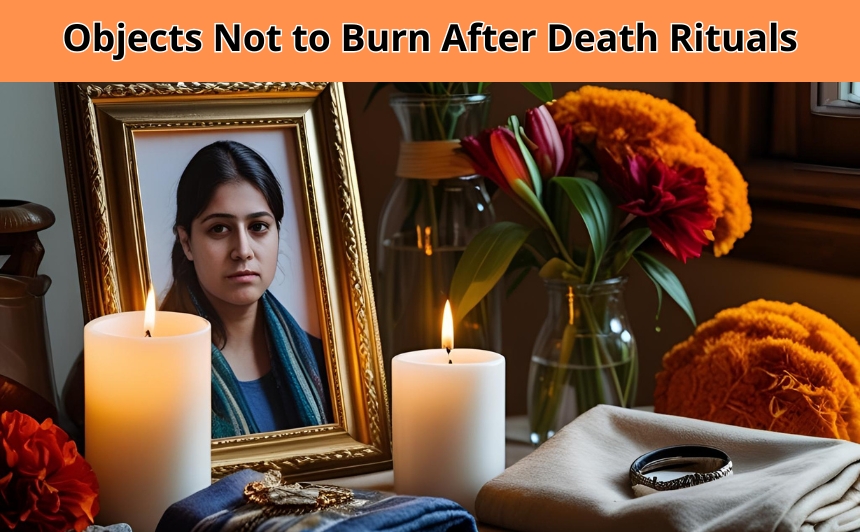
In many cultures and spiritual traditions, honoring the dead involves various rituals—including burning certain items to symbolically release the soul or cleanse the space. However, there are specific objects not to burn after a loved one passes, as they are believed to hold deep spiritual, emotional, or energetic value. Burning these can disrupt peace, invite bad energy, or disrespect the memory of the deceased. In this article, we explore four sacred objects you should never burn and explain the cultural and spiritual reasons behind this powerful advice.
🔥 The Spiritual Significance of Burning Items After Death
Fire is often seen as a purifier, used in funeral rituals to guide the soul into the afterlife or cleanse the home. However, not everything is meant to be released through fire. Certain objects are believed to hold emotional imprints, spiritual protection, or ancestral energy—making them inappropriate or even dangerous to burn.
❌ 1. Photos of the Deceased
Why Not:
Photos are more than paper and ink—they carry emotional energy and often act as a bridge between the living and the spirit world.
Spiritual Belief:
Burning them can disturb the soul’s journey or sever connections between the departed and their loved ones.
What to Do Instead:
Frame the photo or store it in a memory box or altar to honor the deceased with reverence and continuity.
❌ 2. Personal Jewelry
Why Not:
Jewelry absorbs the energy of the person who wore it. Burning metal or stones doesn’t just release physical components—it’s believed to forcefully break emotional and spiritual bonds.
Spiritual Belief:
These items can serve as protective charms or energetic vessels. Burning them could cause energy imbalances or unwanted spiritual activity.
Alternative:
Pass it on to descendants, donate it, or bury it respectfully.
❌ 3. Sacred Texts or Prayer Items
Why Not:
Holy books, prayer beads, or symbols used during the deceased’s life often carry divine energy and blessings.
Spiritual Belief:
Burning sacred items can be seen as disrespectful and may disrupt spiritual protection for the family.
What to Do Instead:
Place them on an altar, store them safely, or return them to a religious institution.
❌ 4. Clothing Worn During Final Days
Why Not:
The clothing a person wore before or during death is believed in many cultures to contain the soul’s residual energy.
Spiritual Belief:
Burning these garments could cause unrest for the soul or even invite negative spirits into the home.
Suggested Action:
Wash and donate them, or fold them and store with care if they hold sentimental value.
⚠️ Why Intent Matters
Spiritual traditions often say: “It’s not what you burn, but why you burn it.” If the intent is harmful, disrespectful, or careless, even the simplest act can cause spiritual unrest. Always approach death rituals with compassion, mindfulness, and sacred intention.
🧘 Tips for Respectful Closure
- Light a candle instead of burning personal belongings
- Create a memory altar with safe, symbolic items
- Say prayers, chant mantras, or write letters to the deceased
- Plant a tree or flower in their memory
- Consult elders or spiritual guides for culturally appropriate rituals
💬 Final Thoughts
When it comes to honoring the dead, understanding which objects not to burn is just as important as knowing what should be released. Respecting spiritual energy helps the soul find peace—and helps loved ones heal with grace. Traditions differ, but the heart behind the ritual is always the same: love, remembrance, and sacred closure.