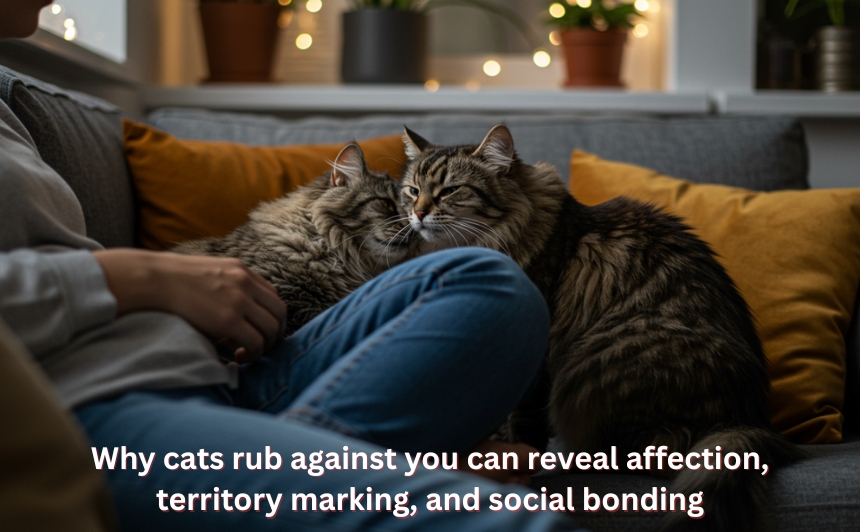
If you’ve ever wondered why cats rub against you, you’re not alone. Many cat owners find this behavior both endearing and mysterious. While it might seem like a simple sign of affection, the reasons behind it are far more complex. Cats are fascinating creatures with unique ways of communicating, and rubbing against people is one of their most expressive behaviors.
In this blog post, we’ll explore the emotional, biological, and instinctual reasons why cats rub against humans. You’ll also learn how to respond to this behavior and what it means in the context of your relationship with your feline friend.
1. Marking You With Scent
One of the primary reasons cats rub against you is to mark you with their scent. Cats have scent glands located on various parts of their bodies, including their cheeks, foreheads, and flanks. When they rub against you, they’re essentially claiming you as part of their territory.
This scent-marking behavior is a way for your cat to communicate with other animals — and with you. It tells others, “This person is mine.” It’s a quiet but powerful message in the cat world.
2. Seeking Attention and Affection
Cats also rub against you when they want attention. Whether it’s food time, cuddle time, or playtime, your cat might use physical contact to get your focus. Rubbing against your legs or body is their way of saying, “Hey, I’m here! Pay attention to me.”
Some cats are more affectionate than others, but this behavior is generally a sign of trust and emotional closeness. It means your cat feels safe and comfortable around you.
3. Social Bonding and Trust
In the wild, cats often rub against each other to bond socially. Domestic cats retain this instinct and transfer it to their human companions. When your cat rubs against you, it’s trying to build a stronger emotional connection.
Think of it as a feline version of a hug. It’s not just a physical gesture—it’s an emotional one. Cats use this contact to strengthen bonds and express their comfort with your presence.
4. Expressing Contentment
Rubbing is a sign that your cat is feeling content. It often accompanies purring, tail twitches, or slow blinking — all signs of a happy, relaxed cat. If your cat rubs against you after a meal or while you’re relaxing, it’s probably expressing its satisfaction and joy.
5. Greeting Rituals
Cats often greet each other by rubbing noses or flanks. When your cat rubs against you after you come home, it’s likely mimicking this natural greeting ritual. It’s your cat’s way of saying, “Welcome back!” or “Good to see you!”
6. Communication and Habit
Cats are creatures of habit. If your cat gets positive reinforcement — like petting or treats — after rubbing against you, it may continue doing so as part of a routine communication method. It learns that rubbing results in a positive outcome, which reinforces the behavior.
7. Mating and Hormonal Influence
Sometimes, rubbing can have a hormonal cause. Female cats in heat often become more physically affectionate, rubbing against people, objects, and even other animals more frequently. This is driven by hormonal changes and is usually accompanied by vocalizations and restlessness.
8. Anxiety or Discomfort
Not all rubbing is purely affectionate. Sometimes, a cat may rub excessively when it feels anxious or is trying to soothe itself. Pay attention to the context and whether there are changes in your cat’s behavior. If the rubbing seems obsessive or is accompanied by other signs of stress, a vet visit might be necessary.
9. How to Respond When Your Cat Rubs Against You
Responding positively to your cat’s behavior can strengthen your bond. Gently pet your cat, talk to it in a soothing voice, or offer a treat. Avoid pushing the cat away unless necessary, as this can cause confusion or stress.
10. When to Be Concerned
While rubbing is usually harmless and affectionate, excessive or unusual rubbing — especially around furniture or facial objects — may indicate skin irritation, allergies, or other health issues. If your cat’s behavior changes suddenly or seems abnormal, it’s best to consult a veterinarian.
Conclusion
Now that you understand why cats rub against you, you can better appreciate the subtle language your feline friend uses to communicate. Whether they’re marking you as theirs, asking for attention, or simply saying hello, cats use rubbing as a powerful expression of emotion and trust. Paying attention to this behavior can deepen your bond and help you become a more attentive, loving cat owner.