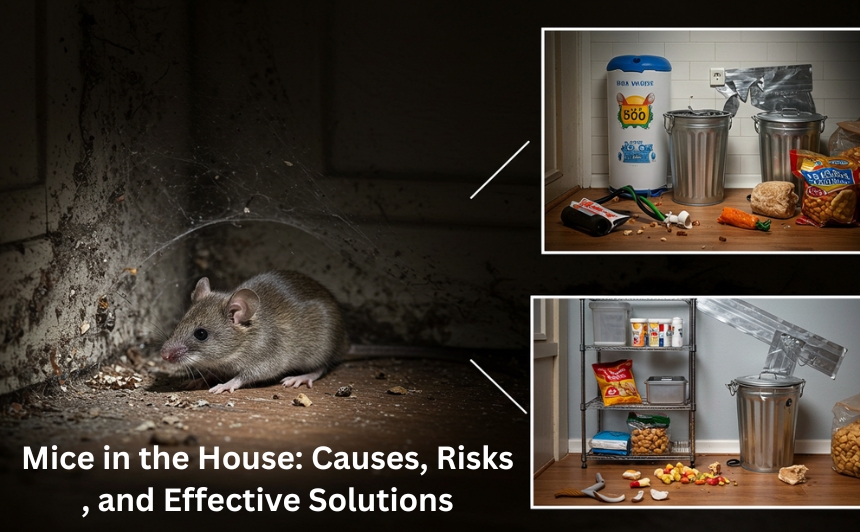
Mice in the House: What Does It Mean?
Finding mice in the house can be unsettling, but it’s also a sign that your home may have vulnerabilities. These small rodents seek shelter, food, and warmth, and their presence often indicates gaps in home maintenance, poor sanitation, or nearby infestations. Beyond being a nuisance, mice in the house pose serious health risks and can cause structural damage.
Why Do Mice Enter Homes?
Mice are opportunistic creatures. Common reasons for mice in the house include:
- Food sources – Unsealed pantry items, crumbs, and pet food attract them.
- Shelter – Cold weather drives them indoors for warmth.
- Entry points – Small cracks, holes, or open vents allow easy access.
- Clutter – Piled-up boxes and debris create ideal nesting spots.
Health and Safety Risks of Mice Infestations
Having mice in the house isn’t just annoying—it’s hazardous. They can:
- Spread diseases like Hantavirus, Salmonella, and Leptospirosis.
- Trigger allergies and asthma through droppings and urine.
- Chew through wires, increasing fire risks.
- Contaminate food and surfaces with bacteria.
How to Get Rid of Mice in the House
- Seal Entry Points – Inspect foundations, windows, and pipes for gaps.
- Set Traps – Use snap traps, live traps, or electronic repellents.
- Maintain Cleanliness – Store food in airtight containers and clean spills immediately.
- Use Natural Deterrents – Peppermint oil, cloves, and ultrasonic devices may help.
- Call Professionals – For severe infestations, pest control experts provide long-term solutions.
Preventing Future Infestations
To avoid mice in the house long-term:
- Regularly inspect and repair home exteriors.
- Keep garbage bins tightly sealed.
- Trim vegetation near the house to reduce hiding spots.
Final Thoughts
Discovering mice in the house is a warning sign to take action. By understanding why they invade and implementing preventive measures, you can protect your home and family from these unwanted guests.