Welcome to “Oscar-Winning Masterpieces: A Cinematic Journey,” an exploration of the most iconic and acclaimed films that have graced the silver screen. In this captivating voyage, we will delve into the top 10 Oscar-winning movies of all time, each a masterpiece that has left an indelible mark on cinema.
From the grand narratives to the unforgettable performances, from the technical brilliance to the emotional resonance, these films have not only captured the hearts of audiences but have also secured their place in cinematic history. Join us as we unravel the magic, the stories, and the artistry behind these unparalleled creations that have stood the test of time and continue to inspire generations of movie lovers.
Let’s get started with top Oscar-Winning Masterpieces
Ben-Hur
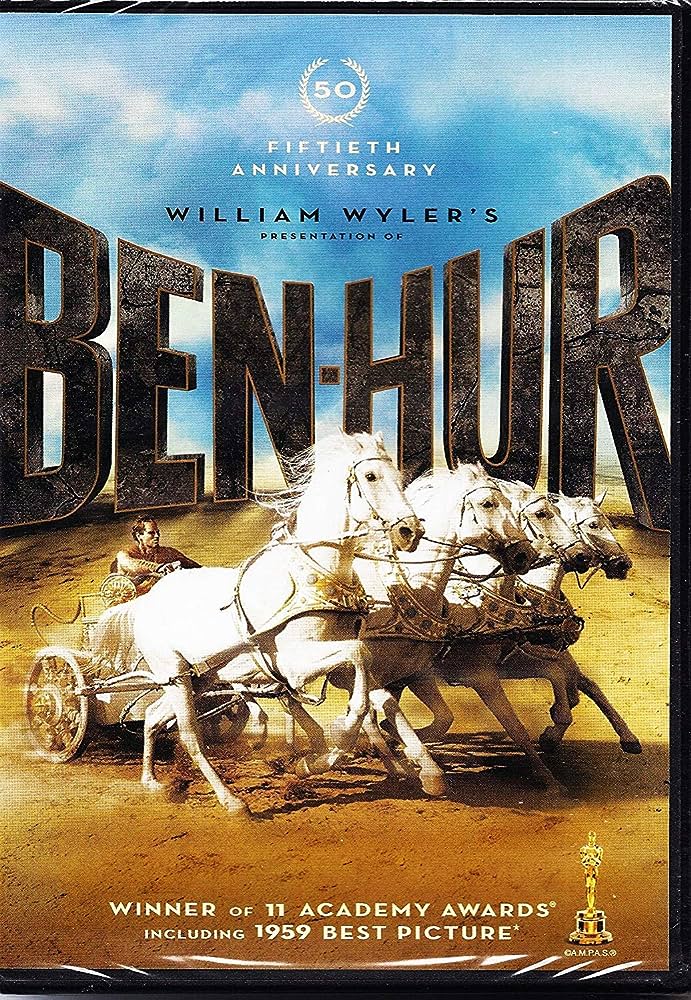
As we embark on our immersive exploration through “Oscar-Winning Masterpieces: A Cinematic Journey,” we encounter “Ben-Hur,” the 1959 American epic historical drama guided by the directorial prowess of William Wyler.
Transporting us to the ancient majesty of Rome, the film narrates the remarkable journey of Judah Ben-Hur, a prosperous Jewish prince ensnared in a web of fabricated accusations and enslavement by his former comrade Messala. In this tapestry, the narrative seamlessly interlaces Ben-Hur’s quest for retribution and personal redemption with the profound impact of Jesus Christ’s life.
At the heart of this cinematic marvel resides the unforgettable chariot race sequence, an immortalized piece of cinema renowned for its iconic stature. The film’s scrupulous attention to minutiae further enriches its distinction as a genuine masterpiece, immersing audiences in the intricacies of its narrative.
“Ben-Hur” transcends as both a pinnacle of artistic accomplishment and a beacon of financial achievement, commanding a noteworthy global box office collection exceeding $74 million. The prestigious Academy Awards celebrated its brilliance, bestowing upon it an exceptional 11 Oscars out of a commendable 12 nominations. This spectrum of accolades spans diverse categories, cementing its cinematic grandeur.
Beyond its laurels, “Ben-Hur” continues to enrapture audiences, with its narrative potency and the resonance of its thematic threads leaving an indelible imprint. As we navigate the tapestry of cinematic excellence, “Ben-Hur” stands tall as an effulgent gem, a testament to the enduring potency of storytelling.
Titanic

As we embark on our immersive journey through “Oscar-Winning Masterpieces: A Cinematic Journey,” we encounter “Titanic,” the monumental romantic drama crafted by James Cameron in 1997. This film serves as a testament to unparalleled cinematic accomplishments, enthralling storytelling, and historical importance.
The narrative unfolds against the backdrop of RMS Titanic’s fateful maiden voyage in 1912, weaving a captivating romance between Jack Dawson (Leonardo DiCaprio) and Rose DeWitt Bukater (Kate Winslet) as the looming iceberg threat approaches. A seamless blend of history and artistic fiction, the film masterfully captures both the opulence of the ship’s upper echelons and the challenges faced by its diverse passengers.
The film’s global box office impact is nothing short of astonishing, amassing a staggering revenue exceeding $2 billion. “Titanic” reigned as the highest-grossing film for more than a decade, cementing its place as a cinematic phenomenon.
The 70th Academy Awards celebrated the film’s brilliance, honoring it with an extraordinary 11 Oscars out of an impressive 14 nominations. This array of awards encompassed pinnacle categories such as Best Picture, Director (James Cameron), and the emotive Original Song “My Heart Will Go On.”
The film’s poignant depiction of the Titanic’s tragic fate, intricately designed sets, and moving performances collectively contributed to its monumental success and profound cultural influence. It serves as a prime embodiment of American filmmaking’s ability to tell stories, encapsulating the nexus of history, imagination, and cinematic brilliance. On our cinematic expedition, “Titanic” gleams as a radiant jewel, illuminating the path of cinematic excellence.
The Lord of the Rings
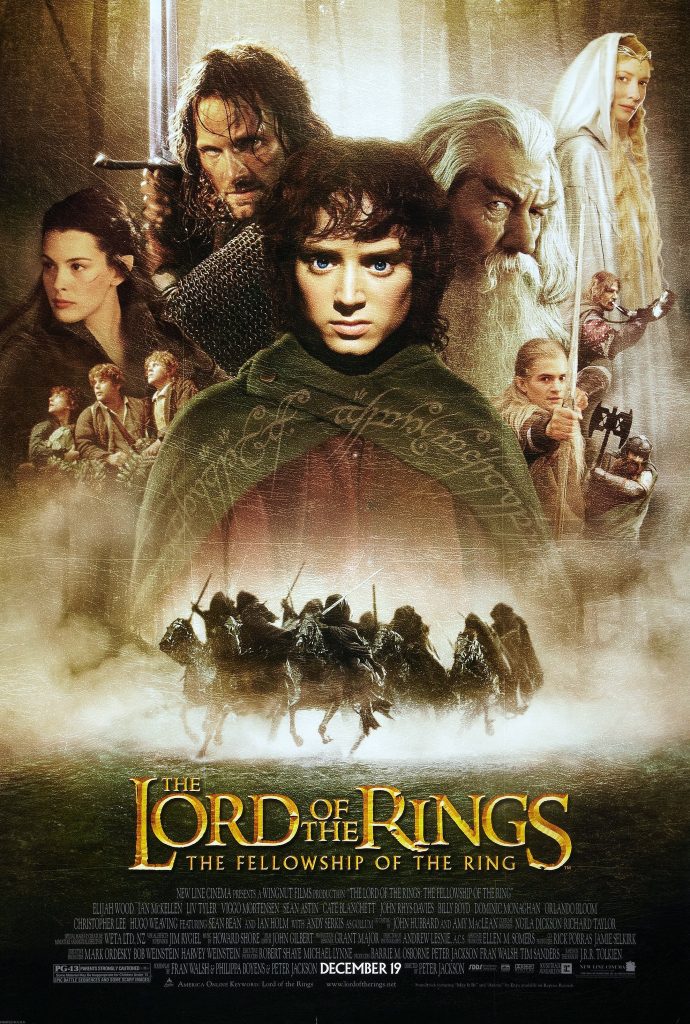
As our enthralling odyssey through “Oscar-Winning Masterpieces: A Cinematic Journey” unfolds, we encounter “The Lord of the Rings: The Return of the King,” a 2003 fantasy epic helmed by director Peter Jackson. Emerging from the enchanting realm of New Zealand, this cinematic treasure marks the triumphant conclusion of the “Lord of the Rings” trilogy, an homage to J.R.R. Tolkien’s timeless work.
The narrative ushers us into the epic quest of Frodo Baggins and his devoted companions, as they endeavor to vanquish the One Ring and safeguard the realm of Middle-earth.
Elevated by its opulent storytelling and entrancing visual spectacle, the film not only dazzles artistically but also achieves financial triumph. Its majestic journey results in a staggering global box office revenue surpassing $1.1 billion.
At the 76th Academy Awards, the film ascended to a cinematic summit, securing an unprecedented 11 victories out of 11 nominations. This accolade sweep includes esteemed distinctions like Best Picture and Best Director.
With its roots in New Zealand’s creative landscape, the film encapsulates the harmonious collaboration of filmmakers, artisans, and technicians. Its legacy endures as a cinematic marvel, an embodiment of artistic prowess, and a cornerstone of film history. In our quest for cinematic brilliance, “The Lord of the Rings: The Return of the King” stands as an unmissable chapter.
Gone with the Wind
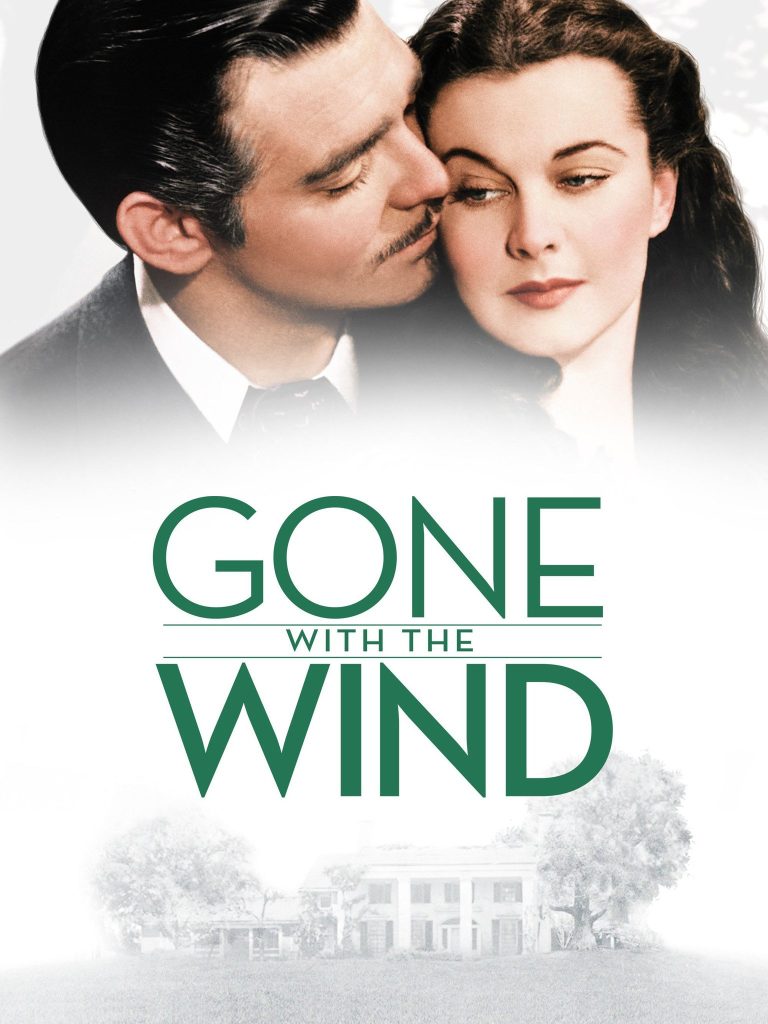
In our exploration of “Oscar-Winning Masterpieces: A Cinematic Journey,” we enter the realm of “Gone with the Wind,” a 1939 American historical romance deftly directed by Victor Fleming. This film stands as a pinnacle of cinematic excellence, celebrated for its sweeping narrative that vividly captures the American South’s essence during the turbulent times of the Civil War and Reconstruction. Through the lens of Scarlett O’Hara and Rhett Butler’s impassioned love story, the film immerses us in the midst of societal upheavals.
Its resonance extends far beyond the screen, manifesting in significant box office triumph. With an inflation-adjusted worldwide gross exceeding $390 million, “Gone with the Wind” commands its place among the echelons of highest-grossing films.
At the 12th Academy Awards, the film’s brilliance was undeniable, resulting in eight Oscars secured out of an impressive 13 nominations. These accolades included the prestigious titles of Best Picture and Best Director.
While “Gone with the Wind” undeniably shines as a cinematic jewel with its portrayal of the antebellum South and its influence on popular culture, it is not exempt from critical scrutiny. Some have questioned its representation of racial dynamics and historical accuracy.
As we journey through the realm of film, “Gone with the Wind” emerges as an emblem of cinematic mastery, an embodiment of both its cultural resonance and the intricate layers that storytelling can unveil.
Schindler’s List

As our “Oscar-Winning Masterpieces: A Cinematic Journey” unfolds, we turn our attention to “Schindler’s List,” a 1993 American historical drama skillfully directed by Steven Spielberg. This film intricately weaves the real-life narrative of Oskar Schindler, a German entrepreneur who displayed remarkable bravery during the Holocaust by rescuing over a thousand Polish-Jewish refugees through employment in his factories.
The story poignantly captures Schindler’s transformative journey from a self-centered opportunist to a compassionate hero, all set against the chilling backdrop of the Holocaust’s horrors.
Distinguished by its evocative black-and-white cinematography, the film intensifies its emotional impact. The 66th Academy Awards bestowed upon it seven Oscars out of an impressive 12 nominations, including the coveted distinctions of Best Picture and Best Director.
Beyond its cinematic acclaim, “Schindler’s List” left an indelible global mark, accumulating approximately $321 million in box office earnings. Its cultural significance as a poignant reminder of history’s darkest episodes and the potential for human empathy in the face of dire adversity is unquestionable. This cinematic masterpiece stands as a testament to the profound role of film in reflecting humanity’s triumphs and tragedies, anchoring it resolutely within our cinematic voyage.
One Flew Over the Cuckoo’s Nest
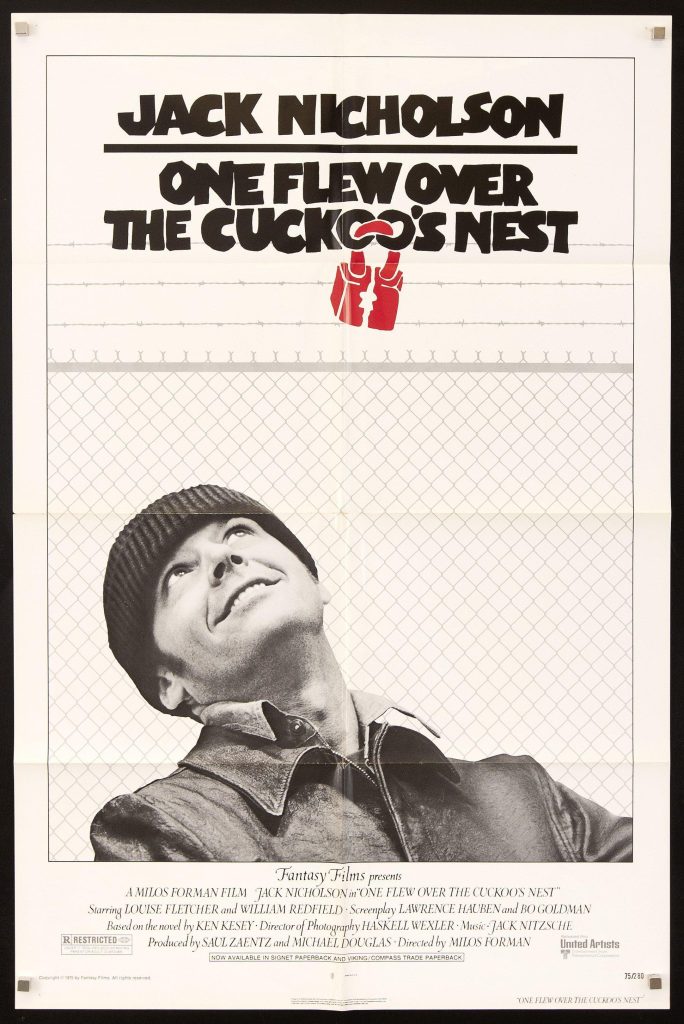
As we journey through “Oscar-Winning Masterpieces: A Cinematic Journey,” we arrive at “One Flew Over the Cuckoo’s Nest,” a 1975 American drama directed by Miloš Forman. Adapting Ken Kesey’s novel, the film intricately portrays the power struggle between Randle P. McMurphy and Nurse Ratched within a mental institution. Jack Nicholson’s embodiment of McMurphy becomes a mirror to challenge authority, shedding light on themes of individuality, freedom, and the consequences of institutionalization.
Delving into the intricacies of mental illness and societal norms, the film offers a thought-provoking exploration of the human mind. Its blend of critical acclaim and commercial triumph is evident in its impressive global earnings of around $163 million.
At the 48th Academy Awards, “One Flew Over the Cuckoo’s Nest” secured a historic victory by sweeping all major categories, including the highly esteemed Best Picture and Best Director awards. Serving as an emblem of the 1970s counterculture movement, the film’s examination of the human psyche and institutional dynamics continues to strike chords with contemporary audiences, cementing its status as an enduring cinematic masterpiece.
Casablanca
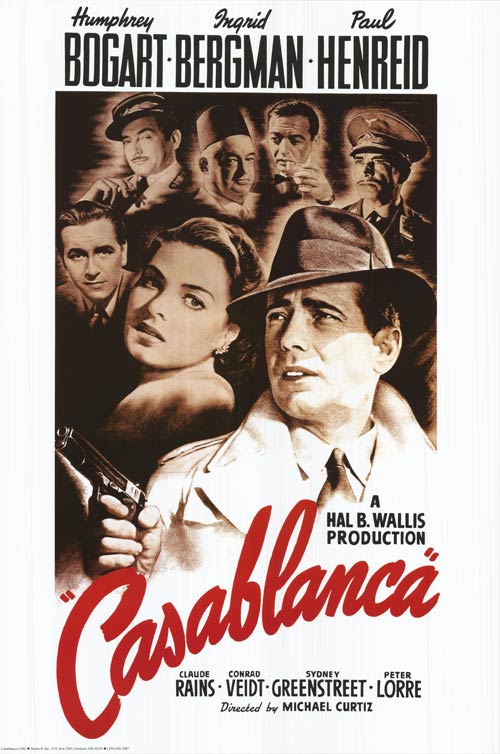
In our “Oscar-Winning Masterpieces: A Cinematic Journey,” we uncover “Casablanca,” a 1942 American romantic drama directed by Michael Curtiz. This renowned film is set in a Moroccan city bearing the same name during the backdrop of World War II.
The plot revolves around Rick Blaine, portrayed by Humphrey Bogart, a nightclub owner, and Ilsa Lund, played by Ingrid Bergman, a woman from his past. Their rekindled connection is intertwined with themes of love, sacrifice, and political intrigue, crafting an unforgettable cinematic experience.
The film’s emotive performances and unforgettable dialogues have firmly cemented its status as an enduring cinematic gem. It illustrates Hollywood’s adeptness at weaving narratives that transcend eras, showcasing its prowess in crafting evergreen and beloved films. With a commercial success that garnered approximately $4.2 million, “Casablanca” proved its resonance with audiences.
It clinched three Oscars at the 16th Academy Awards, including the esteemed titles of Best Picture and Best Director. As our exploration into cinematic excellence continues, “Casablanca” serves as a prime example of Hollywood’s ability to construct narratives that stand the test of time.
The Godfather
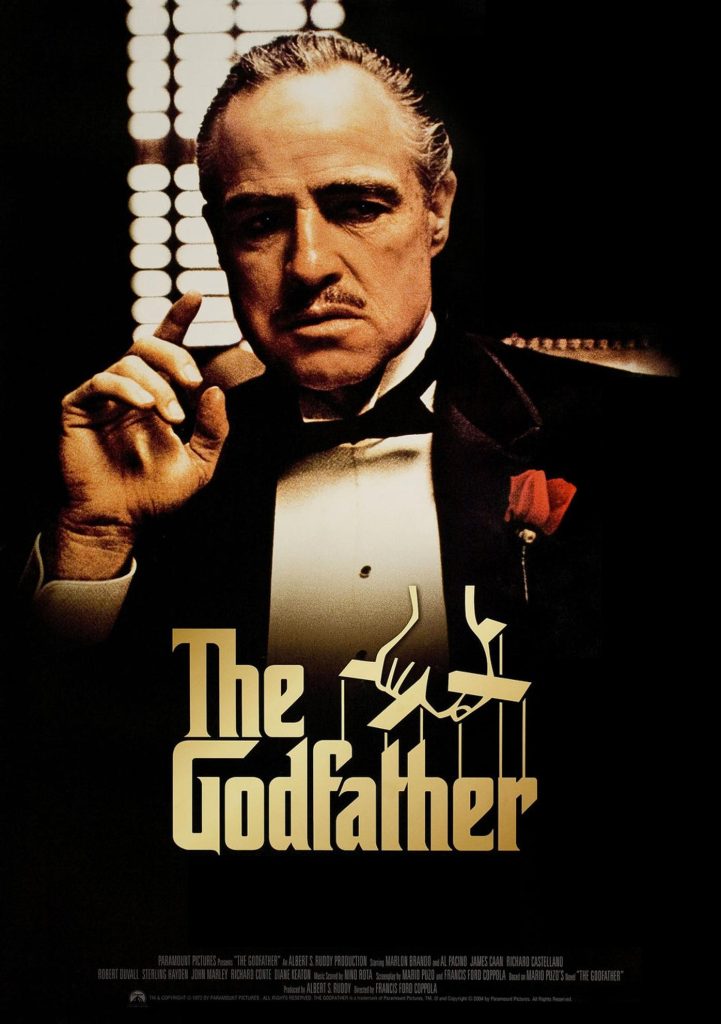
“The Godfather,” a 1972 American crime drama directed by Francis Ford Coppola, plays a pivotal role in our “Oscar-Winning Masterpieces: A Cinematic Journey.” Adapted from Mario Puzo’s novel, the film immerses us in the intricate universe of the Italian-American Mafia’s Corleone family.
Central to the narrative is Don Vito Corleone, portrayed by Marlon Brando, navigating the labyrinthine dynamics of power and loyalty within the criminal underworld. The story zeroes in on the transformation of Michael Corleone, portrayed by Al Pacino, as he evolves from an outsider to a commanding figure within the family’s fold.
“With its meticulously crafted characters and exploration of profound themes, ‘The Godfather’ emerges as a true masterpiece in the gangster genre. Its palpable influence is undeniable, evident in its significant financial triumph, amassing around $245.8 million. At the 45th Academy Awards, the film solidified its stature by clinching three Oscars out of 11 nominations, including the esteemed titles of Best Picture and Best Actor for Marlon Brando.”
The film’s enduring impact on cinematic artistry and storytelling solidifies “The Godfather” as an emblem of both cultural and cinematic eminence, an essential cornerstone of our journey through the pinnacle of cinematic excellence.
Slumdog Millionaire
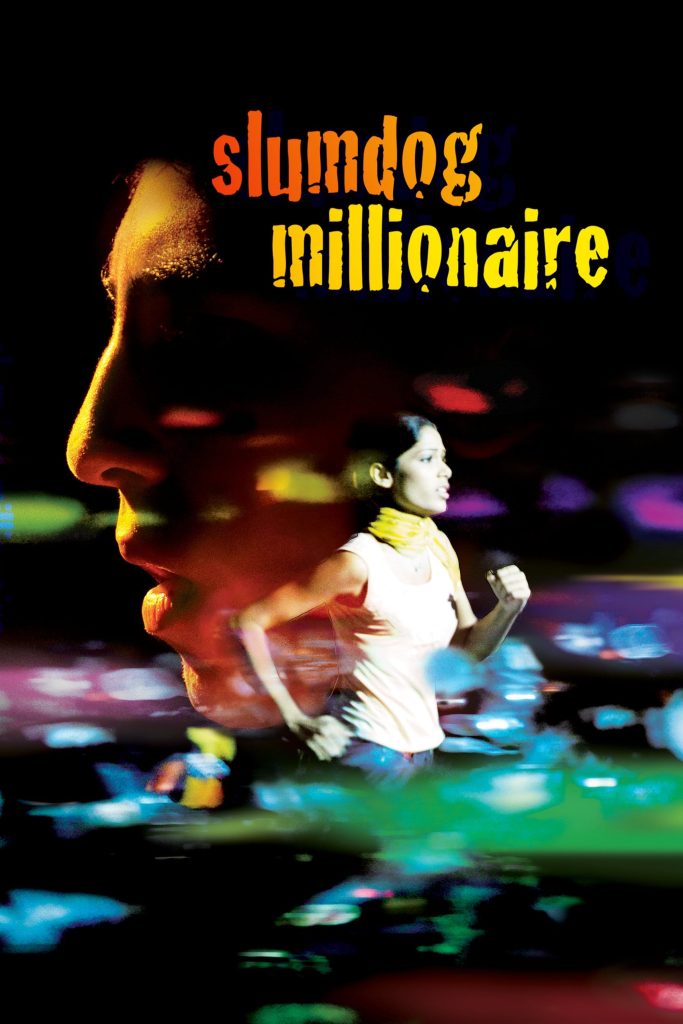
As part of our “Oscar-Winning Masterpieces: A Cinematic Journey,” we delve into “Slumdog Millionaire,” a 2008 British drama helmed by Danny Boyle. The film centers on Jamal Malik, a young man hailing from Mumbai’s slums, who unexpectedly finds himself a contestant on “Who Wants to Be a Millionaire?” The narrative masterfully interweaves his game show experiences with poignant flashbacks, unveiling the intricate threads of his life story.
Themes of destiny, love, and the unyielding human spirit underscore the film’s narrative, crafting a moving tale that resonates deeply. The seamless blending of drama and romance contributes to the film’s captivating cinematic appeal.
Beyond its artistic merits, the film made a considerable impact at the box office, accumulating over $377 million globally. Recognizing its brilliance, the 81st Academy Awards awarded it eight Oscars from ten nominations, including prestigious accolades like Best Picture and Best Director.
Serving as a collaborative effort marrying British and Indian influences, “Slumdog Millionaire” authentically captures the essence of life in the slums while spotlighting the unbreakable resilience inherent in humanity. Through its universal storytelling, the film exemplifies how narratives can bridge cultural gaps and inspire audiences across continents.
The Shape of Water
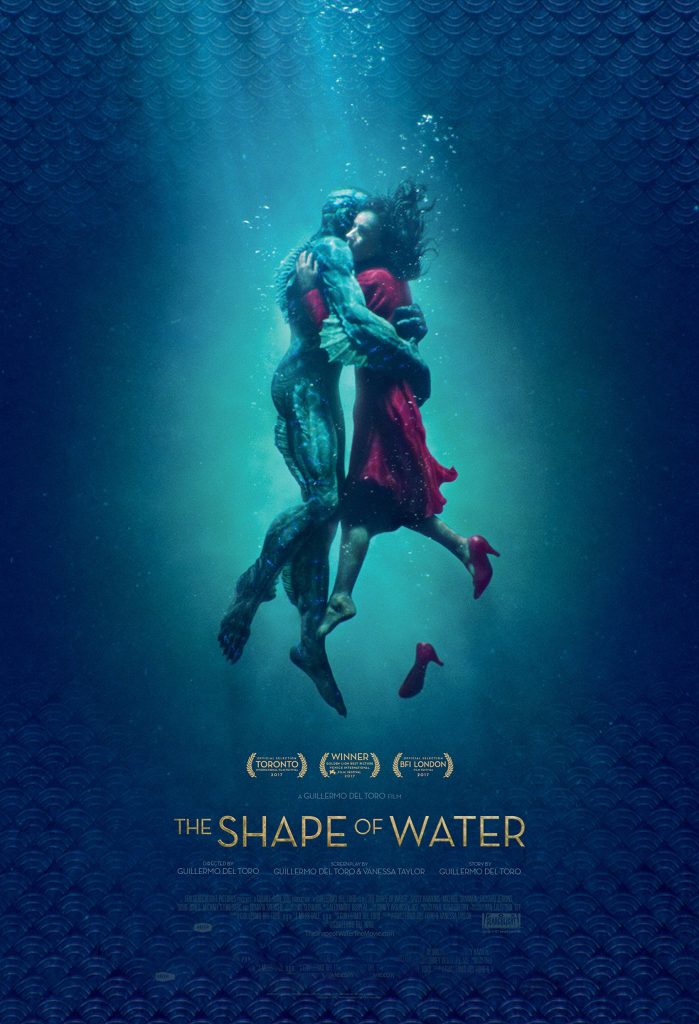
Continuing on our “Oscar-Winning Masterpieces: A Cinematic Journey,” we now explore “The Shape of Water,” a 2017 American fantasy romance directed by Guillermo del Toro. Set in the midst of the Cold War era, the film introduces Elisa Esposito, portrayed by Sally Hawkins, a woman whose voice is silent but whose emotions are profound.
Her life takes an extraordinary twist when she forms a deep and meaningful connection with a mysterious aquatic creature housed within a government facility. Their unconventional and remarkable romance breaks free from societal norms, delving into themes of love, unity, and embracing the unfamiliar.
The film’s narrative is a visual delight, engulfing audiences in its enchanting storytelling. Its impact extended to the box office, accumulating an impressive worldwide gross of around $195 million. The 90th Academy Awards recognized its brilliance with an impressive 13 nominations and the capture of four Oscars, including the prestigious titles of Best Picture and Best Director.
“The Shape of Water” elegantly melds elements of fantasy, romance, and thought-provoking social commentary. This unique fusion engraves an enduring mark on the art of cinematic storytelling, a testament to the potency of narratives that dare to step beyond conventions and celebrate the exceptional.
Conclusion
In our cinematic voyage, we’ve explored Oscar-Winning Masterpieces: A Cinematic Journey, traversing iconic films that define excellence. From epic sagas to intimate tales, these movies capture the heart of storytelling, leaving an indelible mark on cinema. As we conclude, remember that these silver screen treasures unite us through the power of narrative.
And thus, our expedition through the top 10 Oscar-winning films draws to a close, presenting a thoughtfully curated collection that embodies the zenith of cinematic brilliance. From the enthralling narratives to the indelible characters, from the technical feats to the emotional profundity, these films, featured in “Oscar-Winning Masterpieces: A Cinematic Journey,” have etched an enduring legacy in the cinematic landscape, continuing to spark inspiration and delight across the global audience.
As we bid adieu to this captivating cinematic odyssey, let’s carry forward the tales, sentiments, and memories that these films have bestowed upon us. Until the next chapter unfurls in the realm of filmmaking, let it be cherished that the enchantment of the silver screen persists, forever uniting us through the magic of storytelling.
Seeking more engaging content? Embark on a journey through our newest piece, “Everything about Oppenheimer; Box Office, Controversies, Reviews”. Uncover intriguing perspectives, expert analyses, and stimulating dialogues that will enhance your knowledge. Tap here to read and broaden your perspectives now!