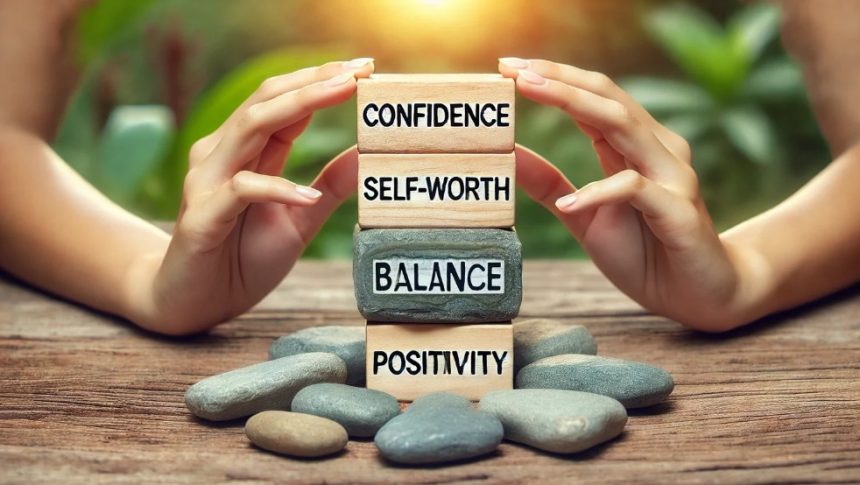
Building Confidence and self-esteem are not just abstract concepts—they directly affect your happiness, career, relationships, and overall life satisfaction. Yet, so many of us struggle with self-doubt, overthinking, or feeling “not enough.” I’ve been there myself: second-guessing decisions, comparing myself to others, and avoiding challenges because I didn’t believe I was capable.
The truth is, confidence and self-esteem are skills you can build. With consistent action, mindset shifts, and self-compassion, you can gradually feel more capable, resilient, and authentic. In this guide, I’ve compiled 100 actionable tips that are realistic, practical, and easy to integrate into your life. Think of them as tools you can start using today—small steps that add up to massive change over time.
1–20: Mindset Shifts for Confidence
- Speak kindly to yourself; avoid harsh self-criticism.
- Reframe failures as learning opportunities.
- Focus on your progress, not perfection.
- Replace “I can’t” with “I’ll try.”
- Stop comparing yourself to others on social media.
- Celebrate small wins daily.
- Visualize yourself succeeding before challenges.
- Acknowledge your unique strengths.
- Challenge limiting beliefs actively.
- Write down three accomplishments every week.
- Remind yourself of past challenges you overcame.
- Practice gratitude to reduce negative self-talk.
- Embrace discomfort as a growth opportunity.
- Identify recurring negative thoughts and question them.
- Accept compliments without deflecting them.
- Focus on what you can control, not what you can’t.
- Let go of perfectionism; good enough is enough.
- Prioritize self-respect over pleasing everyone.
- Keep a “confidence journal” with daily reflections.
- Set clear personal boundaries.
21–40: Daily Habits That Build Confidence
- Maintain good posture to feel and appear confident.
- Make eye contact during conversations.
- Practice deep breathing when anxious.
- Exercise regularly; it improves mood and resilience.
- Eat nutritious food for energy and clarity.
- Get 7–8 hours of quality sleep each night.
- Dress in ways that make you feel empowered.
- Smile intentionally to boost mood and approachability.
- Use a consistent morning routine to set the tone for the day.
- Journal your thoughts and emotions daily.
- Engage in hobbies that make you feel competent.
- Limit social media when it triggers self-doubt.
- Set and track achievable daily goals.
- Take small risks to expand comfort zones.
- Reflect weekly on lessons learned.
- Practice mindfulness to stay grounded.
- Reward yourself for effort, not only results.
- Read uplifting or motivational content.
- Reduce multitasking to improve focus and mastery.
- Keep your workspace or home environment organized.
41–60: Communication and Social Confidence
- Speak clearly and assertively.
- Listen actively to others.
- Ask thoughtful questions to show engagement.
- Join community groups or classes to meet new people.
- Volunteer to build skills and confidence.
- Compliment others genuinely; positivity is contagious.
- Handle disagreements calmly and respectfully.
- Set boundaries without guilt or over-explaining.
- Practice saying “no” without over-apologizing.
- Initiate conversations instead of waiting for others.
- Accept rejection gracefully; it’s part of growth.
- Practice storytelling to share ideas confidently.
- Learn to negotiate and advocate for yourself.
- Use body language that communicates confidence.
- Maintain an approachable, friendly demeanor.
- Avoid overthinking interactions before or after they happen.
- Reflect on social successes and learn from them.
- Develop empathy to connect more authentically.
- Attend public speaking workshops or meetups.
- Keep expanding your network and experiences.
61–80: Skill Development and Personal Growth
- Learn a new skill to increase self-efficacy.
- Take online courses or workshops regularly.
- Read books on personal development.
- Set clear long-term goals.
- Break large goals into achievable steps.
- Track your progress consistently.
- Seek mentors or role models for guidance.
- Step outside your comfort zone weekly.
- Practice public speaking or presentations.
- Join clubs or groups that align with your interests.
- Keep a “success notebook” with achievements.
- Learn to manage time effectively.
- Review mistakes as lessons, not failures.
- Celebrate mastery of new skills.
- Surround yourself with motivated, supportive people.
- Create actionable plans for challenges.
- Reflect on values and align actions with them.
- Practice creative hobbies to strengthen confidence.
- Set personal challenges to test your limits.
- Stay curious and embrace lifelong learning.
81–100: Emotional and Lifestyle Practices
- Meditate daily to calm your mind.
- Practice deep self-reflection.
- Take regular breaks to prevent burnout.
- Limit negative media exposure.
- Celebrate individuality; don’t chase trends.
- Practice resilience in difficult situations.
- Engage in yoga or gentle exercise.
- Cultivate supportive relationships.
- Maintain a work-life balance.
- Use relaxation techniques for stress management.
- Prioritize self-care over guilt-driven obligations.
- Listen to inspirational podcasts or talks.
- Accept that progress takes time.
- Journal emotions to identify patterns.
- Limit contact with toxic influences.
- Practice daily kindness toward yourself.
- Pursue passions that bring joy.
- Review achievements monthly to boost confidence.
- Seek therapy or coaching if necessary.
- Commit to continuous personal growth and reflection.
Final Thoughts
Building confidence and self-esteem isn’t about pretending to be perfect or fearless—it’s about consistently choosing yourself, your growth, and your well-being. Each of these 100 tips for building confidence and self-esteem is designed to be actionable and realistic, helping you gradually feel more capable, resilient, and authentic.
The key is consistency and self-compassion. Some days will be easier than others, and that’s okay. Progress is rarely linear—but every small action, habit, or mindset shift compounds over time. Start today with just one or two tips, and slowly integrate more. Before you know it, confidence won’t just be something you aspire to—it will be a natural part of who you are.